Discover the Basics of Precision Medical Machining for Modern Medical Devices
Precision medical machining is a manufacturing process used to create highly accurate parts for healthcare equipment and medical technology.
It plays an important role in the production of implants, surgical tools, diagnostic systems, and other components used in hospitals and clinics. Precision medical machining focuses on tight tolerances, smooth surface finishes, and reliable performance because medical products often interact directly with the human body.
Modern healthcare depends on small and detailed components that must function consistently under demanding conditions. Precision machining for medical devices developed alongside advancements in medicine, engineering, and computer-controlled manufacturing. As medical treatments became more specialized, the need for highly detailed parts increased as well.
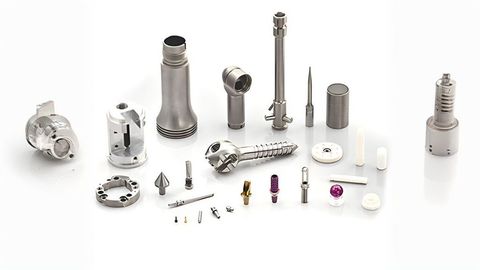
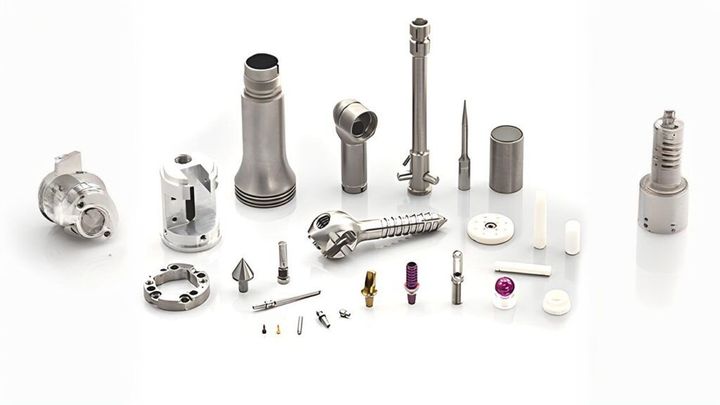
Medical machining services are commonly used for products such as orthopedic implants, surgical scissors, robotic surgery components, dental devices, and imaging equipment. Medical component machining also supports the production of customized implants designed for individual patients.
Several manufacturing methods are involved in this field, including:
- CNC milling for shaping solid materials
- CNC turning for cylindrical components
- Swiss machining medical components for tiny and complex parts
- Laser cutting for detailed patterns
- Micro machining medical devices for miniature components
Materials used in medical parts machining manufacturers often include stainless steel, titanium, cobalt-chrome alloys, and medical-grade plastics. Titanium implant machining is especially common because titanium is lightweight, corrosion-resistant, and compatible with human tissue.
The table below shows examples of medical machining applications and commonly used materials.
| Medical Application | Common Material | Typical Machining Method |
|---|---|---|
| Orthopedic implants | Titanium alloy | CNC milling |
| Surgical instruments | Stainless steel | CNC turning |
| Dental implants | Titanium | Swiss machining |
| Catheter components | Medical plastics | Micro machining |
| Bone screws | Cobalt-chrome | Precision grinding |
| Robotic surgery parts | Aluminum alloys | CNC machining |
Importance
Precision medical machining affects many aspects of modern healthcare. The quality of medical devices can influence patient safety, treatment accuracy, and long-term reliability. Even a small measurement error in an implant or surgical instrument may affect medical outcomes.
One important area is orthopedic implant machining. Joint replacements, bone plates, and spinal implants require extremely accurate dimensions so they fit correctly within the body. Titanium implant machining is often used for these products because the material combines strength with biocompatibility.
Surgical instrument machining also supports procedures performed in operating rooms every day. Tools such as clamps, scalpels, forceps, and endoscopic instruments need precise edges and balanced structures to function correctly during surgery.
Medical device machining services are also important for emerging healthcare technologies. Robotic surgery systems, wearable health monitors, and minimally invasive equipment rely on smaller and more advanced components. Micro machining medical devices has become increasingly important because modern devices continue to shrink in size while maintaining complex functionality.
The industry also supports public health through:
- Improved consistency in medical equipment production
- Faster development of advanced treatment tools
- Better compatibility between implants and human tissue
- Reduced risk of component failure
- Support for personalized healthcare solutions
Swiss machining medical components is particularly valuable for tiny parts used in cardiovascular devices and minimally invasive surgical tools. This machining process allows manufacturers to create complex geometries with very fine detail.
Medical parts machining manufacturers also contribute to supply chains for hospitals, research laboratories, and medical technology developers. The demand for accurate machining continues to grow as healthcare systems adopt more advanced devices.
Recent Updates
Recent developments between 2024 and 2026 show increasing interest in automation, digital manufacturing, and advanced materials within precision medical machining. Healthcare equipment manufacturers are focusing on higher accuracy, shorter production timelines, and improved traceability.
One major trend is the integration of artificial intelligence and machine monitoring systems into CNC machining processes. These systems can track tool wear, temperature changes, and production consistency during manufacturing. This helps reduce variation in medical component machining.
Another trend involves hybrid manufacturing methods that combine machining with additive manufacturing, also known as 3D printing. In some cases, implants are partially printed and then refined using precision machining for medical devices. This combination allows detailed customization while maintaining accurate surface finishing.
Micro machining medical devices has also expanded due to increased demand for minimally invasive treatments. Smaller surgical tools and implantable devices require extremely tiny components that traditional machining methods may struggle to produce efficiently.
Recent developments also include:
- Increased use of automation in inspection systems
- Expanded use of titanium and advanced alloys
- Growth in robotic-assisted surgical equipment
- Improved software for digital design simulations
- Greater focus on sustainability and material efficiency
Medical device machining services are increasingly using digital twins and virtual simulations before physical production begins. This allows engineers to test component designs digitally and identify possible manufacturing challenges earlier in the process.
Swiss machining medical components continues to evolve as manufacturers produce thinner and more detailed parts for cardiovascular and neurological applications. These products often require complex geometries and high precision in extremely small dimensions.
Another noticeable development is the growth of patient-specific implants. Orthopedic implant machining now often involves customized measurements based on medical imaging data. This approach supports implants tailored to individual anatomy.
Laws or Policies
Precision medical machining is influenced by strict regulations because medical devices directly affect patient health and safety. Governments and regulatory agencies establish standards for manufacturing quality, material selection, cleanliness, and documentation.
In the United States, the Food and Drug Administration regulates many medical devices through quality system requirements. Manufacturers involved in medical machining services often follow guidelines related to production controls, inspection procedures, and traceability.
International standards also shape precision machining for medical devices. One commonly used framework is ISO 13485, which focuses on quality management systems for medical device manufacturing. This standard emphasizes consistent production methods, risk management, and documentation practices.
Important regulatory areas include:
- Material traceability for implants and instruments
- Sterilization compatibility requirements
- Surface finish and contamination control
- Product testing and inspection procedures
- Documentation and production records
European regulations also affect medical component machining through the Medical Device Regulation framework. These rules focus on patient safety, product evaluation, and long-term monitoring of medical products.
Medical parts machining manufacturers often maintain clean manufacturing environments to reduce contamination risks. Certain surgical instrument machining processes require additional inspections to confirm dimensional accuracy and surface quality.
Titanium implant machining may involve additional validation because implants remain inside the body for extended periods. Manufacturers typically document machining parameters, inspection data, and material certifications during production.
Countries in Asia, including Japan, South Korea, China, and India, have also expanded medical manufacturing regulations in recent years. These policies increasingly align with international quality standards to support global medical device production.
Tools and Resources
Precision medical machining relies on specialized software, equipment, and reference systems that help maintain accuracy and consistency. These tools support design planning, machining operations, inspection, and quality management.
Common digital tools used in precision machining for medical devices include CAD and CAM software. CAD software helps engineers create detailed 3D models, while CAM software converts designs into machine instructions.
Examples of commonly used resources include:
- CAD platforms for product modeling
- CAM systems for CNC programming
- Coordinate measuring machines for inspection
- Surface roughness testing equipment
- Material certification databases
- Digital simulation software
Several organizations also provide technical standards and educational materials related to medical component machining. These include manufacturing associations, standards organizations, and engineering institutes.
Helpful informational platforms include:
- FDA Medical Devices
- ISO Standards Information
- ASTM International
- NIST Manufacturing Resources
Inspection technology is another important resource area. Medical device machining services often use optical scanners, microscopes, and digital measuring systems to verify component accuracy.
Swiss machining medical components frequently relies on advanced CNC systems capable of producing tiny features with minimal variation. These systems may include automated monitoring functions and precision tooling designed for miniature parts.
Micro machining medical devices also depends on specialized cutting tools and vibration-control systems because very small parts can be sensitive to heat and movement during manufacturing.
FAQs
What is precision medical machining?
Precision medical machining is a manufacturing process used to create accurate and detailed components for healthcare equipment, implants, and surgical tools. It involves computer-controlled machines that shape metal or plastic materials into medical-grade parts.
Why is titanium implant machining commonly used?
Titanium implant machining is widely used because titanium is strong, lightweight, corrosion-resistant, and compatible with human tissue. These qualities make it suitable for orthopedic implants, dental implants, and surgical components.
What is the difference between Swiss machining medical components and regular CNC machining?
Swiss machining medical components focuses on very small and precise parts. The material is supported close to the cutting area, which helps reduce vibration and improve accuracy for miniature medical components.
How does micro machining medical devices support modern healthcare?
Micro machining medical devices helps produce tiny components used in minimally invasive surgery, cardiovascular devices, and wearable medical technology. These small parts support compact and advanced healthcare equipment.
What types of products are created through surgical instrument machining?
Surgical instrument machining is used to produce tools such as forceps, clamps, scalpels, scissors, and endoscopic instruments. These products require precise dimensions and smooth finishes for safe medical use.
Conclusion
Precision medical machining plays an important role in the development of modern healthcare equipment and medical technology. It supports the production of implants, surgical instruments, robotic systems, and miniature medical components with high levels of accuracy. Advances in automation, digital manufacturing, and material science continue to shape the industry and expand medical applications. Regulations and quality standards remain central to maintaining consistency and patient safety throughout the manufacturing process.