Water bottling plant technology refers to the systems, equipment, and processes used to treat, package, and prepare drinking water for distribution in sealed containers. This technology exists to ensure that water intended for packaged consumption meets defined safety, purity, and quality standards before reaching consumers.
The development of water bottling plants is closely linked to urbanization, population growth, and increasing demand for controlled drinking water sources. In many regions, centralized water treatment infrastructure may not consistently reach all communities, leading to the need for packaged water systems that can be monitored and standardized.
Early bottling operations relied on basic filtration and manual filling. Over time, advancements in filtration science, automation, and hygiene control led to modern bottling plants capable of handling large volumes with consistent quality. Today, water bottling plant technology integrates purification, disinfection, packaging, and monitoring into a controlled production environment.
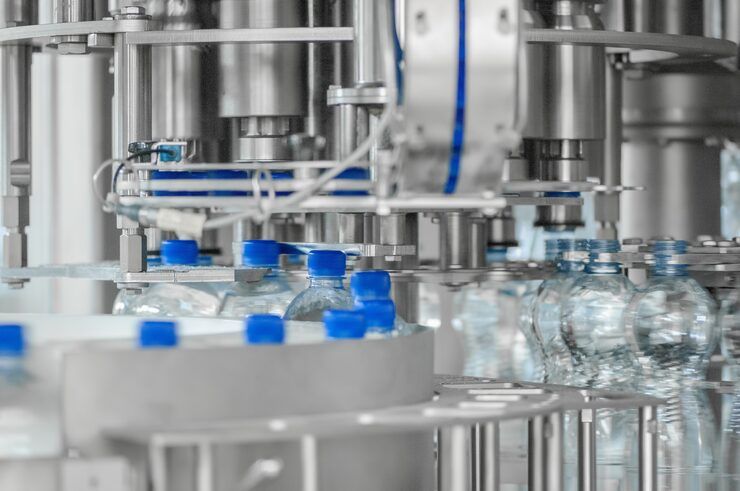
Importance: Why Water Bottling Plant Technology Matters Today
Water bottling plant technology plays an important role in supporting access to treated drinking water, especially in regions where water quality varies or infrastructure is limited. It contributes to public health, supply chain stability, and emergency preparedness.
This topic matters today because water bottling technology:
-
Supports controlled water purification and handling
-
Helps reduce contamination risks during packaging
-
Enables consistent quality monitoring and documentation
-
Provides packaged water for travel, events, and remote access
Water bottling plants affect a wide range of stakeholders, including consumers, public health authorities, environmental researchers, and industrial operators. For consumers, the technology helps ensure that packaged water meets established standards. For regulators, it offers traceability and accountability in water processing.
By addressing challenges related to water safety, hygiene, and distribution, bottling plant technology contributes to broader water management and health awareness efforts.
Recent Updates: Developments and Trends from the Past Year
During 2024 and early 2025, water bottling plant technology continued to evolve in response to sustainability goals, automation, and regulatory focus. One notable trend in early 2024 was increased adoption of advanced filtration combinations, such as multi-stage membrane systems paired with ultraviolet disinfection, to enhance microbial control.
In mid-2024, automation and digital monitoring gained further attention. Bottling plants increasingly referenced real-time sensors for tracking water quality parameters such as conductivity, turbidity, and flow consistency. These systems supported better documentation and process transparency.
By late 2024 and into 2025, environmental considerations became more prominent in industry discussions. Bottling plants explored methods to reduce water loss during rinsing and cleaning processes, as well as energy-efficient operation of treatment equipment.
Another recent development involved improved hygiene design. Updated plant layouts emphasized closed-loop systems and reduced human contact points, supporting higher sanitation standards and operational consistency.
Laws and Policies: Regulatory Framework Affecting Water Bottling Plants
Water bottling plant operations are strongly influenced by food safety, public health, and environmental regulations. These frameworks ensure that packaged drinking water is processed, handled, and labeled according to defined standards.
In India, packaged drinking water regulations are governed by standards issued by the Bureau of Indian Standards, which define requirements for water quality, treatment methods, and testing protocols. These standards help ensure uniformity and consumer safety.
Globally, guidance related to drinking water quality is influenced by the World Health Organization, which publishes scientific recommendations on acceptable water parameters and treatment practices.
In many countries, food safety authorities also regulate bottling plants as food-grade facilities. These regulations focus on hygiene, documentation, traceability, and regular quality testing. Environmental policies related to water extraction and waste management further shape how bottling plants operate responsibly.
Tools and Resources: Understanding Bottling Technology and Processes
A range of educational and technical resources support understanding of water bottling plant technology. These tools are used for learning, system design, and quality monitoring.
Helpful tools and references include:
-
Water quality testing instruments for pH, TDS, and turbidity
-
Process flow diagrams illustrating bottling plant stages
-
Hygiene and sanitation checklists for food-grade facilities
-
Automation dashboards for monitoring flow and treatment stages
-
Technical manuals on filtration and disinfection systems
The table below outlines common stages in a water bottling plant and their primary purpose:
| Processing Stage | Main Function | Quality Focus |
|---|---|---|
| Raw water intake | Source collection | Source safety |
| Filtration | Remove particles and impurities | Physical clarity |
| Disinfection | Control microorganisms | Microbial safety |
| Bottle rinsing & filling | Hygienic packaging | Contamination prevention |
| Quality testing | Sample analysis | Compliance verification |
These tools and resources help explain how technology supports safe and consistent water bottling operations.
Frequently Asked Questions About Water Bottling Plant Technology
What is the main purpose of water bottling plant technology?
The main purpose is to treat and package drinking water under controlled conditions to meet defined quality and safety standards.
How is water purified in bottling plants?
Bottling plants typically use filtration, membrane systems, and disinfection methods to remove impurities and microorganisms.
Are water bottling plants monitored regularly?
Yes, most regulations require routine testing, documentation, and inspection to ensure consistent quality.
Does bottled water come from the same source everywhere?
No, sources vary by location and may include groundwater, surface water, or treated municipal supplies.
Why is automation important in modern bottling plants?
Automation improves consistency, reduces contamination risk, and supports accurate monitoring of treatment processes.
Conclusion: Understanding Water Bottling Plant Technology
Water bottling plant technology represents a structured approach to treating and packaging drinking water in a controlled environment. By combining purification methods, hygienic handling, and quality monitoring, these plants support access to standardized drinking water.
Understanding the context, importance, recent developments, regulatory frameworks, and technical resources related to bottling plants helps readers appreciate the complexity behind packaged water. As water management challenges continue to evolve, water bottling plant technology remains an important component of modern water distribution and public health awareness.