Discover Water Bottling Plant Technology and Methods
Water bottling plant technology refers to the systems, equipment, and processes used to treat, package, and prepare drinking water for distribution in sealed containers. This technology exists to ensure that water intended for packaged consumption meets defined safety, purity, and quality standards before reaching consumers.
The development of water bottling plants is closely connected to urbanization, population growth, and the increasing demand for controlled drinking water sources. In many regions, centralized water systems may not reach all communities, making packaged water an important alternative.
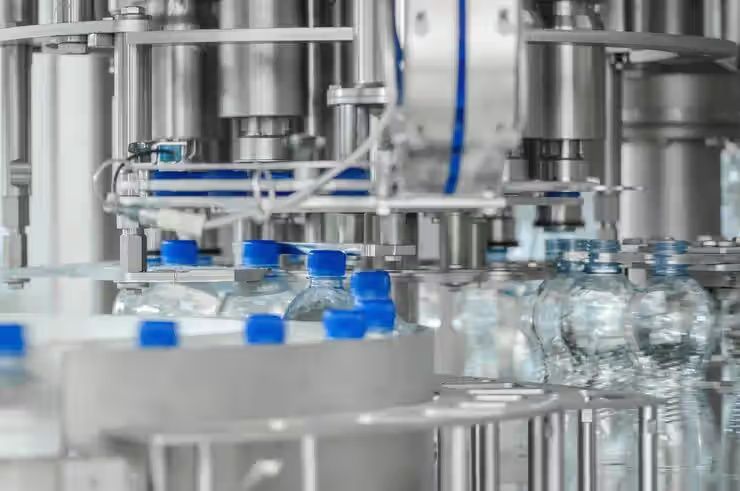
Modern bottling plants integrate purification, disinfection, packaging, and monitoring into a controlled production environment. These advancements ensure consistent quality and improved hygiene compared to earlier manual processes.
Why Water Bottling Plant Technology Matters Today
Water bottling plant technology plays a key role in supporting access to safe drinking water. It is especially important in areas where water quality varies or infrastructure is limited.
Key Reasons This Topic Matters
- Controlled purification: Ensures safe and treated drinking water
- Reduced contamination risk: Hygienic packaging processes
- Consistent monitoring: Maintains quality standards
- Accessibility: Provides water for travel, events, and remote areas
This technology impacts consumers, public health authorities, environmental researchers, and industrial operators.
Recent Developments and Trends (2024–2025)
Water bottling technology has evolved with advancements in filtration, automation, and sustainability. These trends reflect a growing focus on efficiency and environmental responsibility.
Key Trends Overview
| Trend | Description | Impact |
|---|---|---|
| Advanced filtration systems | Multi-stage membranes with UV disinfection | Improves microbial safety |
| Automation and monitoring | Real-time sensors for water quality tracking | Enhances process transparency |
| Sustainability practices | Reduced water loss and energy-efficient systems | Supports environmental goals |
| Improved hygiene design | Closed-loop systems and reduced human contact | Increases sanitation and consistency |
These developments highlight the integration of technology and sustainability in modern bottling plants.
Laws and Policies Affecting Bottling Plants
Water bottling plants are governed by strict regulations related to public health, food safety, and environmental protection. These frameworks ensure safe and reliable water production.
Key Regulatory Areas
- Bureau of Indian Standards (BIS): Defines water quality and testing requirements
- World Health Organization (WHO): Provides global water safety guidelines
- Food safety regulations: Ensure hygienic processing and packaging
- Environmental policies: Control water extraction and waste management
These regulations promote consistency, safety, and accountability in water bottling operations.
Tools and Resources for Understanding Bottling Technology
Various tools and resources help explain and monitor water bottling processes. These are widely used in education, system design, and quality control.
Useful Tools and References
- Water testing instruments: Measure pH, TDS, and turbidity
- Process flow diagrams: Show stages of bottling operations
- Hygiene checklists: Ensure sanitation standards
- Automation dashboards: Monitor real-time system performance
- Technical manuals: Explain filtration and disinfection methods
Common Stages in a Water Bottling Plant
| Processing Stage | Main Function | Quality Focus |
|---|---|---|
| Raw water intake | Source collection | Source safety |
| Filtration | Remove impurities | Physical clarity |
| Disinfection | Control microorganisms | Microbial safety |
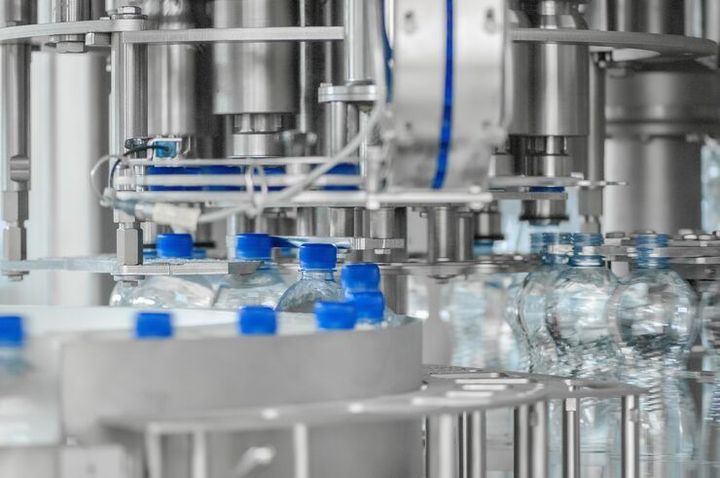
| Bottle rinsing & filling | Hygienic packaging | Contamination prevention |
| Quality testing | Sample analysis | Compliance verification |
These tools and stages demonstrate how technology ensures safe and consistent bottled water production.
Frequently Asked Questions
What Is the Main Purpose of Bottling Plant Technology?
The main purpose is to treat and package drinking water under controlled conditions to meet safety and quality standards.
How Is Water Purified?
Water is purified using filtration systems, membrane technologies, and disinfection methods to remove impurities and microorganisms.
Are Bottling Plants Regularly Monitored?
Yes, regulations require routine testing, documentation, and inspections to maintain consistent quality.
Does Bottled Water Come from the Same Source?
No, sources vary and may include groundwater, surface water, or treated municipal supplies.
Why Is Automation Important?
Automation improves consistency, reduces contamination risks, and enhances monitoring accuracy.
Conclusion
Water bottling plant technology provides a structured system for treating and packaging drinking water in a controlled environment. By combining purification, hygiene, and monitoring, it ensures safe and reliable water supply.
Understanding its processes, regulations, and tools helps highlight its importance in public health and water management. As challenges related to water quality continue to evolve, bottling plant technology remains a key component of modern water distribution systems.