DR Automation Solutions for Secure IT Operations Guide
DR automation solutions help organizations improve disaster recovery processes, reduce downtime, strengthen cybersecurity preparedness, and maintain business continuity during unexpected IT disruptions. Modern automation technologies are increasingly used across cloud computing, data protection, cybersecurity, and enterprise infrastructure management.
Disaster Recovery (DR) automation refers to the use of automated systems, workflows, and recovery technologies to restore IT infrastructure, applications, and data after a disruption. These disruptions may include cyberattacks, hardware failures, cloud outages, human errors, or natural disasters.
Traditional disaster recovery processes often required manual intervention, long recovery timelines, and extensive technical coordination. As businesses became more dependent on digital systems, organizations started adopting automated disaster recovery strategies to improve operational resilience and data security.
DR automation solutions are now commonly integrated into cloud infrastructure, cybersecurity frameworks, hybrid IT environments, and enterprise backup systems. These technologies help organizations monitor risks, replicate critical data, automate failover processes, and restore services with minimal downtime.
The growing adoption of remote work, cloud computing, artificial intelligence, and real-time data processing has increased the importance of secure and efficient IT recovery systems.
Why DR Automation Matters in Modern IT Operations
Modern organizations depend heavily on uninterrupted digital operations. Even a short period of downtime can affect productivity, customer communication, operational workflows, and data accessibility.
The importance of DR automation has increased because businesses now manage larger amounts of sensitive information across distributed systems and cloud environments.
Key areas impacted by disaster recovery automation include:
- Enterprise cybersecurity
- Cloud data protection
- Financial technology infrastructure
- Healthcare information systems
- E-commerce operations
- Manufacturing automation
- Government digital services
The main benefits associated with DR automation include:
| Benefit | Impact on IT Operations |
|---|---|
| Faster Recovery | Reduces downtime during outages |
| Automated Backups | Improves data protection consistency |
| Risk Reduction | Minimizes manual recovery errors |
| Compliance Support | Helps maintain regulatory standards |
| Operational Continuity | Keeps critical systems accessible |
| Scalable Infrastructure | Supports cloud and hybrid environments |
Organizations also use recovery automation to improve Recovery Time Objectives (RTO) and Recovery Point Objectives (RPO). These metrics help define how quickly systems should recover and how much data loss is acceptable during an incident.
Cybersecurity and Data Protection Trends
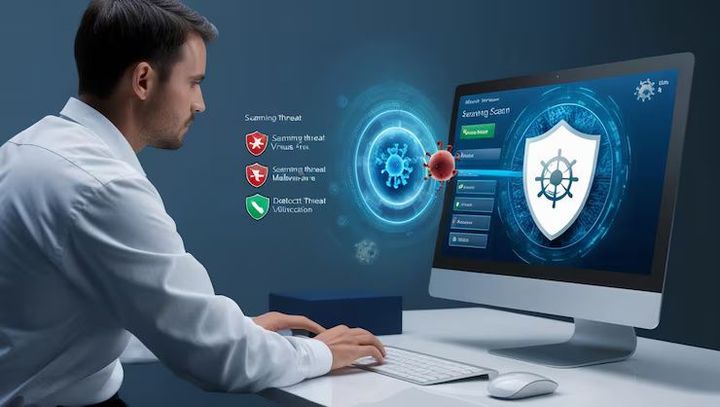
Cybersecurity incidents have become one of the leading reasons organizations invest in automated disaster recovery technologies. Ransomware attacks, phishing campaigns, insider threats, and cloud vulnerabilities continue to affect businesses worldwide.
Recent industry discussions in 2025 have focused on:
- AI-powered threat detection
- Zero-trust security frameworks
- Multi-cloud disaster recovery
- Immutable backup storage
- Automated compliance monitoring
- Edge computing resilience
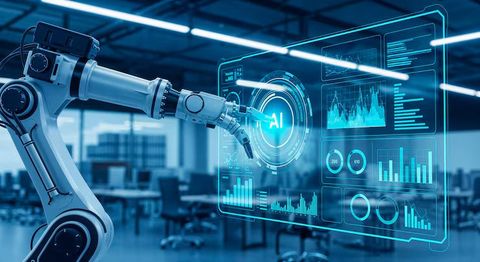
The integration of artificial intelligence into IT recovery systems is helping organizations predict failures and automate response actions more efficiently.
Below is a simplified overview of modern DR automation architecture:
| Component | Purpose |
|---|---|
| Backup Automation | Scheduled data replication |
| Cloud Recovery | Remote infrastructure restoration |
| Monitoring Systems | Real-time threat and outage alerts |
| Orchestration Tools | Automated recovery workflows |
| Security Analytics | Detection of suspicious activity |
| Compliance Reporting | Documentation and audit tracking |
Cloud-native disaster recovery solutions have also gained popularity because they support remote infrastructure recovery without relying entirely on physical data centers.
Recent Updates in DR Automation Technologies
Several developments during 2024 and 2025 have influenced disaster recovery and IT automation strategies globally.
AI Integration in Recovery Operations
In early 2025, many enterprise technology providers expanded the use of AI-driven automation for incident detection and infrastructure recovery. These systems can identify unusual behavior patterns and trigger predefined recovery workflows automatically.
Growth of Hybrid Cloud Recovery
Throughout 2024, organizations increasingly adopted hybrid cloud recovery environments. Businesses now combine on-premise systems with public and private cloud infrastructure to improve flexibility and reduce operational risk.
Rising Focus on Ransomware Resilience
Cybersecurity agencies in multiple countries released updated recommendations during late 2024 emphasizing offline backups, segmented networks, and immutable storage to reduce ransomware impact.
Expansion of Compliance Requirements
Governments and industry regulators have introduced stricter cybersecurity and data protection frameworks. Financial institutions, healthcare providers, and critical infrastructure sectors are now expected to demonstrate stronger disaster recovery readiness.
Increased Investment in Automation Analytics
IT teams are using advanced analytics dashboards to monitor recovery performance, downtime trends, and cybersecurity risks in real time.
Laws and Policies Related to Disaster Recovery
Disaster recovery and IT resilience are influenced by cybersecurity regulations, data protection laws, and industry compliance standards.
Different countries apply different regulatory frameworks depending on the industry and type of data being processed.
India
India’s Digital Personal Data Protection framework and cybersecurity guidelines encourage organizations to strengthen data governance, infrastructure security, and incident response systems.
The Indian Computer Emergency Response Team (CERT-In) also introduced updated cybersecurity reporting requirements that emphasize timely incident reporting and log retention practices.
United States
Organizations operating in the United States often follow standards associated with:
- NIST Cybersecurity Framework
- HIPAA for healthcare systems
- PCI DSS for payment security
- Federal cloud security standards
These frameworks encourage disaster recovery planning, risk assessment, and secure backup management.
European Union
The European Union’s GDPR regulations influence how organizations manage personal data, data retention, and recovery procedures. Businesses handling EU citizen data must ensure secure storage and restoration processes.
Financial Sector Regulations
Banks and financial institutions frequently follow operational resilience frameworks that require:
- Business continuity planning
- Disaster recovery testing
- Data backup verification
- Incident reporting procedures
Failure to maintain proper disaster recovery practices may increase operational risks and compliance concerns.
Common Tools and Resources Used in DR Automation
Organizations use various categories of tools and learning resources to improve disaster recovery planning and cybersecurity preparedness.
Backup and Replication Platforms
These systems automate data backups and maintain synchronized copies of critical business information across multiple environments.
Cloud Recovery Dashboards
Cloud monitoring dashboards help administrators manage virtual infrastructure, storage health, and recovery performance metrics.
Security Monitoring Tools
Security monitoring systems provide:
- Threat detection alerts
- System health analytics
- Log analysis
- Network activity monitoring
Recovery Planning Templates
IT teams often use structured templates for:
- Incident response planning
- Risk assessment documentation
- Recovery workflow mapping
- Compliance audit preparation
Infrastructure Automation Platforms
Infrastructure automation technologies support:
- Automated server deployment
- Configuration management
- Failover orchestration
- Patch management
DR Automation Adoption by Industry
Different industries apply disaster recovery automation based on operational priorities and security requirements.
| Industry | Primary DR Focus |
|---|---|
| Healthcare | Patient data availability |
| Banking | Transaction continuity |
| Retail | Payment and inventory systems |
| Manufacturing | Production uptime |
| Education | Digital learning systems |
| Government | Public service continuity |
Industries with sensitive customer data and high operational dependency often prioritize advanced recovery automation strategies.
Frequently Asked Questions
What is DR automation in IT?
DR automation refers to automated disaster recovery processes that help restore systems, applications, and data after outages or cybersecurity incidents.
Why is disaster recovery important for cybersecurity?
Disaster recovery helps organizations recover quickly from cyberattacks, ransomware incidents, hardware failures, and system disruptions while protecting critical data.
What is the difference between backup and disaster recovery?
Backup focuses on storing copies of data, while disaster recovery includes the broader process of restoring systems, applications, and operational infrastructure.
How does cloud computing support disaster recovery?
Cloud environments allow organizations to replicate data remotely, automate recovery workflows, and restore services faster during outages.
What industries use DR automation solutions most frequently?
Healthcare, finance, manufacturing, government, retail, and technology sectors commonly use DR automation because they rely heavily on uninterrupted digital operations.
Conclusion
DR automation solutions have become an important part of modern IT infrastructure management. As organizations face increasing cybersecurity risks, cloud complexity, and operational demands, automated recovery systems help improve resilience, reduce downtime, and support business continuity.
Recent advancements in artificial intelligence, hybrid cloud infrastructure, and cybersecurity analytics continue to shape the future of disaster recovery technologies. At the same time, evolving regulations and compliance requirements are encouraging organizations to strengthen data protection and operational preparedness.