
Dubai Travel Guide to Exploring Desert Adventures Scenic Views and Local Heritage
Dubai is known around the world for its remarkable skyline, luxurious lifestyle, and impressive architectural achievements, but beyond its modern appearance lies a destination rich in history, culture, and natural beauty.
Visitors can experience everything from expansive desert landscapes and traditional markets to waterfront promenades and world-famous landmarks. Understanding the city's diverse attractions helps travelers appreciate how innovation and heritage exist side by side.
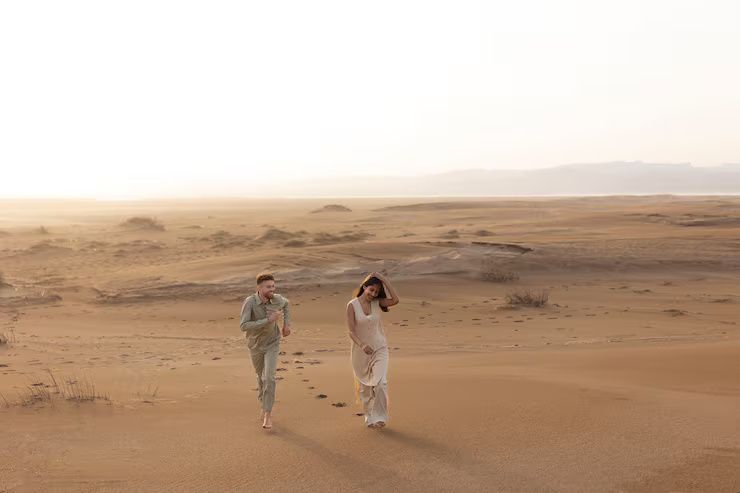
Whether visiting for a short holiday or a longer cultural exploration, planning ahead allows travelers to experience more than the city's iconic skyscrapers. A balanced itinerary often combines urban attractions with authentic local experiences, desert adventures, and historical districts that reveal Dubai's unique identity. This Dubai travel guide introduces the city's landscapes, cultural highlights, outdoor activities, and practical insights for an enjoyable visit.
This article explores Dubai's major attractions, desert experiences, scenic locations, local heritage, transportation options, seasonal considerations, and important factors for planning a memorable journey.
Why Visit Dubai?
Dubai offers an unusual combination of futuristic development and traditional Arabian culture. Modern shopping districts, luxury hotels, entertainment venues, and engineering landmarks coexist with historic neighborhoods, museums, and centuries-old trading traditions.
The city also serves as an international gateway connecting travelers to destinations across Asia, Europe, and Africa, making it a popular stop for both leisure and business travel.
For many visitors, the greatest appeal lies in experiencing the contrast between contemporary city life and the peaceful desert environment located just beyond the urban landscape.
Desert Adventures
The surrounding Arabian Desert provides some of Dubai's most memorable outdoor experiences.
Desert safaris often include dune driving, camel rides, sandboarding, and opportunities to observe the changing landscape during sunrise or sunset. Evening excursions frequently combine traditional entertainment with regional cuisine under open desert skies.
The desert also offers excellent opportunities for photography, allowing visitors to capture rolling sand dunes illuminated by dramatic natural light.
These experiences introduce travelers to an environment that has shaped regional culture for generations.
Scenic Views Across the City
Dubai features numerous locations that showcase impressive panoramic views.
Observation decks provide sweeping perspectives of the city's skyline, coastline, and surrounding desert, highlighting the contrast between modern architecture and natural landscapes.
Waterfront promenades offer relaxing walks with views of marinas, beaches, and luxury yachts, while public parks provide quieter settings for enjoying green spaces within the city.
Artificial islands, canals, and carefully designed urban landscapes further contribute to Dubai's distinctive visual character.
Whether viewed during daylight or after sunset, the city's skyline presents constantly changing perspectives.
Discovering Local Heritage
Although Dubai is internationally recognized for its modern development, its cultural heritage remains an important part of the visitor experience.
Historic districts preserve traditional architecture, narrow alleyways, wind towers, and restored buildings that reflect life before rapid urban expansion.
Museums explain the region's maritime history, pearl diving traditions, and commercial development, helping visitors understand Dubai's transformation over recent decades.
Traditional souks continue to showcase regional craftsmanship through textiles, spices, perfumes, jewelry, and handmade goods, offering insight into long-standing trading traditions.
Exploring these historic areas creates a deeper appreciation of the city's cultural foundations.
Popular Attractions
Dubai offers a wide variety of attractions suitable for different travel interests.
Architectural landmarks demonstrate innovative engineering while providing observation decks and entertainment experiences.
Large shopping destinations combine retail, dining, indoor attractions, and cultural events within climate-controlled environments.
Beautiful beaches offer opportunities for relaxation, water sports, and family activities along the Arabian Gulf coastline.
Public gardens, marine attractions, cultural centers, and entertainment districts provide additional options for visitors seeking varied experiences throughout their stay.
The diversity of attractions allows travelers to balance sightseeing with leisure and cultural exploration.
Local Cuisine and Dining
Food plays an important role in understanding Dubai's multicultural identity.
Traditional Emirati dishes highlight regional ingredients and culinary traditions, while international restaurants reflect the city's diverse population.
Local cafés, waterfront dining areas, and traditional markets provide opportunities to experience authentic flavors alongside global cuisine.
Visitors interested in cultural exploration often combine historic district visits with regional food experiences to better understand local customs and hospitality.
Best Time to Visit
Seasonal weather significantly influences travel experiences.
The cooler months generally provide more comfortable conditions for outdoor sightseeing, desert activities, walking tours, and beach visits.
Warmer months may encourage travelers to focus on indoor attractions, shopping centers, museums, and entertainment venues equipped with climate control.
Planning activities according to seasonal temperatures helps maximize comfort throughout the trip.
Decision Guide: Planning Your Dubai Experience
Choosing the best Dubai travel experience depends on travel interests, available time, preferred activities, and seasonal conditions.
Travelers interested in architecture and modern attractions often prioritize observation decks, waterfront developments, and entertainment districts. Those seeking cultural experiences may spend more time exploring historic neighborhoods, museums, and traditional markets.
A Dubai travel comparison between urban sightseeing and desert excursions reveals that both experiences offer unique perspectives on the region. In many cases, combining modern attractions with cultural exploration tends to provide the most balanced itinerary.
The real difference appears when visitors move beyond famous landmarks to experience local heritage, regional cuisine, and the natural beauty of the surrounding desert.
Practical Travel Tips
Planning ahead contributes to a smoother travel experience.
Comfortable clothing suitable for warm weather is generally recommended, while modest attire may be appropriate when visiting cultural or religious sites.
Staying hydrated during outdoor activities is especially important, particularly during warmer seasons.
Public transportation, taxis, and ride-sharing services provide convenient ways to travel throughout the city, making it relatively easy to reach major attractions.
Respecting local customs, cultural traditions, and public etiquette helps visitors enjoy positive interactions throughout their stay.
Emerging Trends in Dubai Tourism
Dubai continues expanding its tourism offerings through innovation and sustainability.
Eco-friendly desert experiences, cultural festivals, waterfront developments, and nature conservation initiatives are attracting travelers interested in more diverse experiences.
Smart tourism technologies now support digital ticketing, navigation, multilingual information, and personalized visitor services.
Wellness tourism, luxury hospitality, adventure activities, and cultural experiences continue growing alongside the city's established attractions.
These developments further strengthen Dubai's reputation as a destination that combines modern innovation with authentic regional heritage.
Frequently Asked Questions
1. What is Dubai best known for?
Dubai is famous for its modern skyline, luxury shopping, architectural landmarks, desert experiences, beaches, and cultural heritage.
2. What activities are available in the Dubai desert?
Popular desert activities include dune driving, camel riding, sandboarding, cultural entertainment, and sunset photography.
3. When is the best time to visit Dubai?
The cooler months are generally considered more comfortable for outdoor sightseeing, desert adventures, and walking tours.
4. Can visitors experience traditional culture in Dubai?
Yes. Historic districts, museums, traditional markets, local cuisine, and cultural centers provide insight into Dubai's heritage and history.
5. How do travelers get around Dubai?
Visitors commonly use the metro, buses, taxis, ride-sharing services, and pedestrian-friendly areas to reach major attractions.
Conclusion
Exploring Dubai involves much more than visiting its famous skyline. A well-planned Dubai travel experience combines spectacular architecture, unforgettable desert adventures, scenic waterfronts, and meaningful cultural discoveries that reveal the city's unique identity. This comprehensive Dubai travel guide demonstrates how modern innovation and traditional heritage coexist to create one of the world's most distinctive destinations. Whether appreciating panoramic city views, exploring historic neighborhoods, or experiencing the tranquility of the Arabian Desert, every journey through Dubai offers opportunities to discover something new.