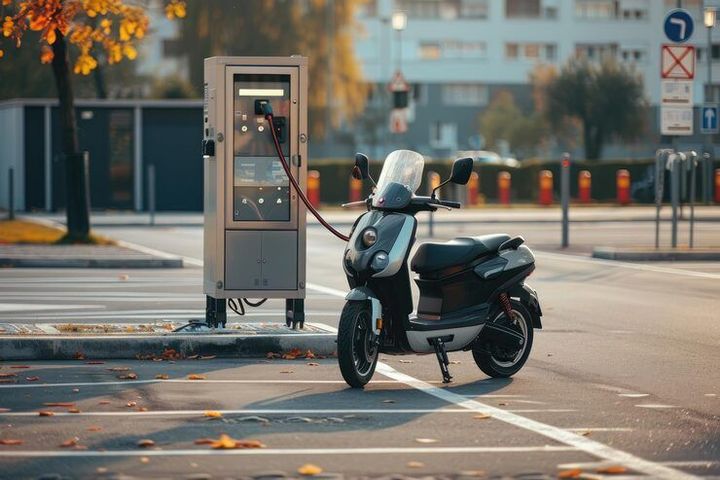
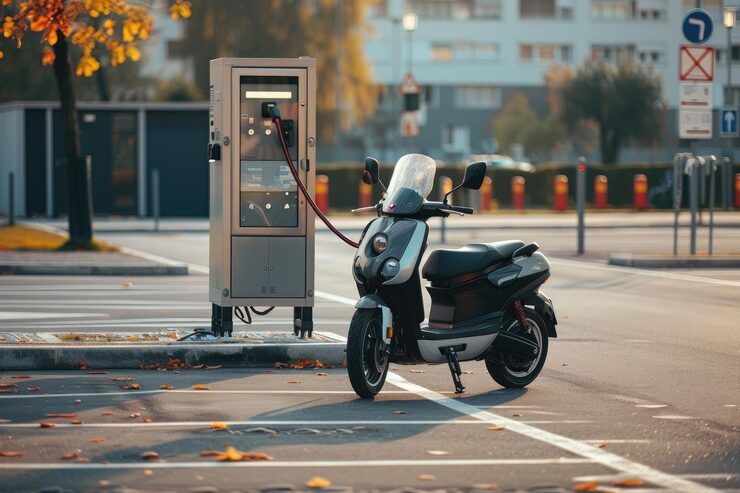
A docking system typically includes a network of stations where electric bikes are stored, locked, and charged. Users unlock a bike through a mobile application or membership card, ride it to their destination, and return it to another docking station within the network.
Electric bikes used in these systems include built-in motors that assist pedaling. This allows riders to travel longer distances or climb hills with less effort compared to traditional bicycles.
These systems have emerged as cities look for ways to improve mobility while reducing environmental impact. Growing urban populations and congestion have increased the need for efficient and sustainable transport alternatives.
Electric bike docking rentals are often part of a broader urban mobility ecosystem, including:
-
Public transportation networks
-
Smart city infrastructure
-
Electric vehicle charging systems
-
Dedicated cycling lanes
This integration supports the development of cleaner and more sustainable urban environments.
Why Electric Bike Docking Rentals Matter Today
Electric bike docking rentals play a key role in modern urban mobility. Cities are working to reduce emissions, improve air quality, and create efficient transportation systems.
One major issue in cities is traffic congestion. Many daily trips are short, often under five kilometers, and electric bikes provide a practical alternative to reduce vehicle usage.
Accessibility is another important factor. These systems help bridge the “last-mile transportation” gap between transit stations and final destinations.
Electric bike docking networks benefit various groups:
-
Daily commuters
-
Students
-
Tourists
-
Residents connecting to public transport
Urban planners also use these systems to analyze travel data and improve city infrastructure. Environmental benefits are significant, as electric bikes produce minimal direct emissions.
Transportation Mode Comparison
| Transportation Mode | Energy Efficiency | Urban Space Usage | Typical Distance |
|---|
| Electric Bike Docking | High | Low | Short to Medium |
| Private Car | Moderate | High | Medium to Long |
| Public Transit | High | Moderate | Medium to Long |
| Walking | Very High | Very Low | Short |
Electric bike docking rentals support a balanced transportation ecosystem that enhances sustainability and efficiency.
Recent Developments in Electric Bike Docking Systems
Electric bike docking systems have seen rapid technological and operational improvements. In 2025, many cities expanded their networks as part of smart mobility initiatives.
One key trend is the use of AI-based fleet management systems. These platforms analyze data such as:
-
Bike availability
-
Dock occupancy
-
Travel patterns
-
Battery status
This data helps operators distribute bikes more efficiently across stations.
Battery technology has also improved. Newer models offer longer battery life and faster charging, increasing system reliability and availability.
Cities are also adopting multi-modal mobility apps that combine different transport options. These apps provide:
-
Electric bike availability
-
Bus schedules
-
Metro routes
-
Traffic updates
Additionally, expanded cycling infrastructure such as protected lanes has encouraged more people to use electric bikes.
Development Trends Overview
| Year | Key Development |
|---|
| 2023 | Growth of smart mobility platforms |
| 2024 | Integration with public transit planning apps |
| 2025 | AI-driven fleet management and improved batteries |
These developments highlight the increasing sophistication of electric bike docking systems.
Regulations and Government Policies
Electric bike docking rentals are influenced by transportation laws and safety standards. Regulations vary by country but often focus on motor power, speed limits, and operational rules.
Common regulatory areas include:
-
Maximum motor power
-
Maximum assisted speed
-
Helmet requirements or recommendations
-
Cycling lane usage rules
Governments often include electric bike programs in broader sustainability initiatives. These may include:
-
Urban climate action plans
-
Sustainable mobility strategies
-
Smart city programs
Authorities also regulate docking station placement to avoid disrupting pedestrian areas. Stations are typically located near:
-
Transit hubs
-
Business districts
-
Residential areas
-
Universities and public facilities
Such policies support the growth of low-emission transportation systems.
Helpful Tools and Digital Resources
Electric bike docking systems rely on digital tools to improve efficiency and user experience. These tools help manage fleets and provide real-time information.
Common tools include:
-
Urban mobility apps
-
Bike tracking dashboards
-
Fleet management software
-
Transportation analytics platforms
-
GIS mapping systems
Mobile apps often provide features such as:
-
Real-time bike availability
-
Docking station locations
-
Trip history tracking
-
Battery status monitoring
Urban planners also analyze data to understand usage patterns, including:
-
Peak travel hours
-
Popular routes
-
Station utilization rates
-
Average trip distance
Typical Daily Usage Pattern
| Time of Day | Usage Level |
|---|
| Early Morning | Moderate |
| Morning Commute | High |
| Midday | Moderate |
| Evening Commute | High |
| Late Night | Low |
These insights help cities optimize system performance and infrastructure planning.
Frequently Asked Questions
What is an electric bike docking system?
An electric bike docking system is a network of stations where electric bikes are stored, locked, and charged. Users can pick up a bike at one station and return it to another within the same network.
How do docking stations charge electric bikes?
Docking stations often include built-in charging connectors. When a bike is locked into place, it automatically connects to the charging system.
Are these systems part of smart city infrastructure?
Yes, many cities integrate electric bike systems with smart transportation platforms to analyze data and coordinate travel options.
What is the difference between docking and dockless systems?
Docking systems require bikes to be returned to fixed stations, while dockless systems allow bikes to be parked in designated areas without docks.
Why use electric bikes instead of regular bicycles?
Electric assistance makes riding easier, especially for longer distances and hills. This increases accessibility for a wider range of users.
Conclusion
Electric bike docking rentals are an important part of modern urban transportation. They combine electric mobility, smart infrastructure, and data-driven planning to support efficient short-distance travel.
As cities grow, challenges like congestion and emissions continue to rise. Electric bike systems provide a practical solution that complements public transportation and promotes sustainability.
Advancements in AI, battery technology, and smart mobility platforms are improving system performance. At the same time, government policies are encouraging the expansion of cycling infrastructure.
Understanding these systems helps individuals and policymakers evaluate their role in future transportation planning. Electric bike docking networks are likely to remain a key part of sustainable urban mobility worldwide.