Electric Grid Technology Guide: Overview, Benefits, and Future Energy Innovations
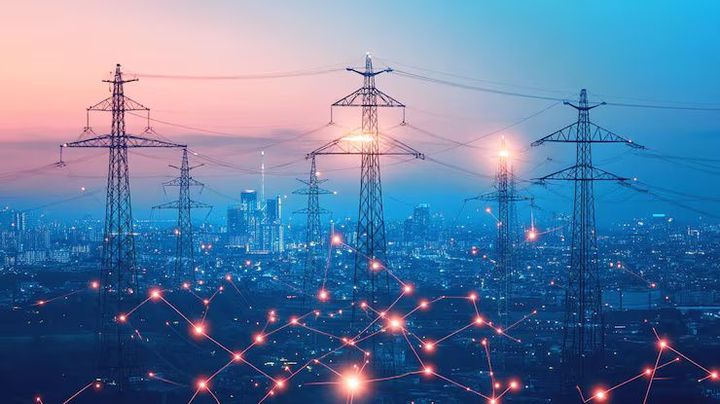
Electric grid technology refers to the systems, infrastructure, and digital networks that deliver electricity from power generation facilities to homes, businesses, and industries. The electric grid connects power plants, substations, transmission lines, distribution networks, and control systems into a large interconnected system that ensures reliable electricity delivery.
Electric grid technology developed to manage the growing demand for electricity as societies industrialized and urbanized. Early systems were simple, delivering power from centralized plants to nearby areas, but modern grids are now highly advanced and digitally controlled .
Electricity generation and consumption often occur at different locations and times, making transmission and distribution systems essential. These systems ensure power can travel long distances and reach end users efficiently.
Key Components of Electric Grids
Modern electric grids consist of several interconnected components that work together to deliver electricity reliably.
- Power generation facilities (thermal, hydroelectric, nuclear, renewable)
- Transmission networks (high-voltage power lines)
- Substations and transformers (voltage regulation)
- Distribution systems (local delivery to consumers)
- Smart grid technologies (digital monitoring and automation)
Smart grid systems use sensors, communication networks, and automation tools to improve efficiency and reliability.
Why Electric Grid Technology Matters Today
Electric grid technology is essential for modern economies and daily life. Nearly every sector, including healthcare, transportation, and communication, depends on reliable electricity .
As electricity demand grows, grid systems must evolve to handle new challenges and technologies.
Key Drivers of Importance
- Rising demand due to population growth and urbanization
- Expansion of renewable energy sources like solar and wind
- Growth of electric vehicles and charging infrastructure
- Digital transformation of energy systems
- Increasing need for reliability and cybersecurity
Electric grids also support economic stability. Disruptions can impact industries, healthcare services, and communication networks.
Role of Smart Grids
Smart grids improve visibility and control across energy networks. They help detect faults quickly and optimize power distribution.
They also enable real-time balancing of supply and demand. This is especially important when integrating renewable energy, which can fluctuate based on weather conditions.
Recent Updates in Electric Grid Technology
Electric grid systems have seen major advancements in 2024 and early 2025. Governments and organizations are investing heavily in modernization programs focused on digitalization and renewable integration .
These updates aim to make energy systems more resilient, efficient, and adaptable.
Key Developments
- Expansion of smart meter infrastructure
- Advanced IoT sensors for real-time monitoring
- Growth of grid-scale energy storage systems
- Use of artificial intelligence for forecasting and maintenance
Battery storage systems are becoming increasingly important. They store excess renewable energy and release it during peak demand periods.
Emerging Trends
- Development of microgrids for localized energy systems
- Predictive maintenance using data analytics
- Integration of electric vehicle charging networks
Microgrids improve energy resilience and are useful for remote areas and critical infrastructure.
Laws and Policies Affecting Electric Grid Technology
Electric grids operate under strict regulatory frameworks to ensure safety, reliability, and environmental sustainability .
Governments and regulatory bodies set standards for infrastructure planning, energy distribution, and system reliability.
Key Policy Areas
- Grid reliability standards
- Renewable energy integration policies
- Cybersecurity regulations
- Environmental compliance standards
- Energy transition programs
Policies promoting clean energy and carbon reduction are accelerating grid modernization worldwide.
Importance of Cybersecurity
As grids become more digital, cybersecurity is critical. Protecting infrastructure from cyber threats is a top priority for governments and energy organizations.
Tools and Resources for Electric Grid Technology
Engineers and policymakers rely on advanced tools to analyze and manage grid systems effectively .
These tools support planning, monitoring, and optimization of energy infrastructure.
Common Tools
- Power system simulation software
- Energy demand forecasting tools
- Grid stability modeling platforms
- Geographic Information Systems (GIS)
- Renewable energy integration tools
Example Technologies
- Smart grid analytics dashboards
- Load forecasting models
- Distributed Energy Resource Management Systems (DERMS)
Electric Grid Components Table
| Grid Component | Function | Example Technologies |
|---|---|---|
| Power Generation | Produces electricity | Solar farms, wind turbines, hydro plants |
| Transmission | Moves electricity long distances | High-voltage transmission lines |
| Substations | Adjust voltage levels | Transformers, switching equipment |
| Distribution | Delivers electricity to users | Local power lines, distribution units |
| Grid Monitoring | Tracks system performance | Smart sensors, control centers |
Electricity Flow in the Grid
| Stage | Energy Flow Description |
|---|---|
| Generation | Electricity produced at power plants |
| Transmission | Power transported via high-voltage lines |
| Substation | Voltage reduced for distribution |
| Distribution | Electricity delivered to homes and businesses |
Load balancing is a key concept in grid management. It ensures electricity supply matches real-time demand for stable operation.
Frequently Asked Questions
What is an electric grid?
An electric grid is a network of power plants, transmission lines, substations, and distribution systems that deliver electricity from producers to consumers.
What is a smart grid?
A smart grid uses digital technologies, sensors, and automation to monitor and manage electricity flow efficiently.
Why are renewable energy sources challenging?
Renewable energy like solar and wind is weather-dependent. Advanced grid systems help manage these fluctuations.
What is a microgrid?
A microgrid is a localized energy system that can operate independently or connect to the main grid.
How does modernization improve reliability?
Modern technologies enable real-time monitoring, automated fault detection, and predictive maintenance, reducing outages.
Conclusion
Electric grid technology is the backbone of modern energy systems. It ensures electricity reaches homes, industries, and digital infrastructure efficiently .
As demand increases, grids must evolve to support renewable energy, electric vehicles, and digital transformation. Innovations in smart grids, storage systems, and analytics are shaping the future of energy networks.
Understanding electric grid systems highlights their importance in building a reliable, sustainable, and resilient energy future.