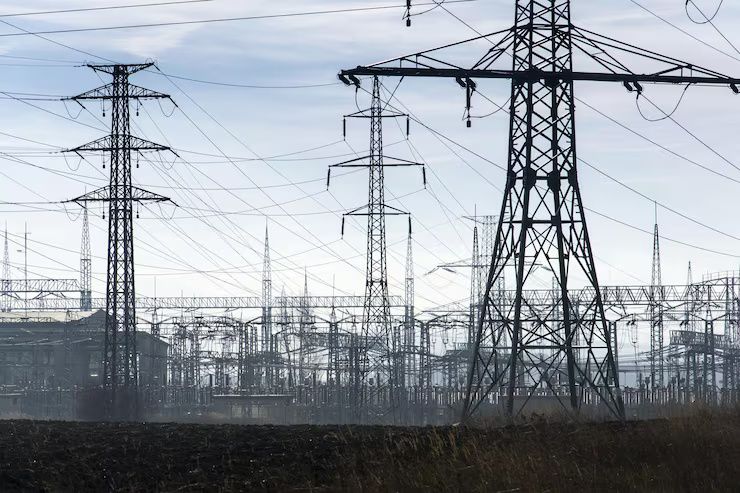
Electric power infrastructure refers to the interconnected system that generates, transmits, and distributes electricity to homes, businesses, and industries. It includes power plants, transmission lines, substations, and the power distribution system that delivers electricity to end users. This infrastructure has evolved over more than a century, beginning with small local grids and expanding into large national and regional networks.
Power infrastructure engineering plays a central role in designing and maintaining these systems. Engineers ensure that electricity flows safely and reliably from generation sources such as coal, natural gas, hydro, nuclear, and renewable energy facilities to consumers. As electricity demand has increased, so has the complexity of high voltage electrical infrastructure, which is used to transmit power over long distances with minimal energy loss.
Electrical grid modernization is a recent development that aims to upgrade aging systems with digital technologies, automation, and smarter controls. This transition reflects the need for more efficient, flexible, and resilient electricity networks in a rapidly changing energy landscape.
Importance
Electric power infrastructure is essential for modern life. It supports everyday activities such as lighting, communication, healthcare, transportation, and industrial production. Without a stable power distribution system, essential services can be disrupted, affecting both individuals and the broader economy.
Several key factors explain why this topic matters today:
- Reliable electricity access supports economic development by enabling industries and businesses to operate efficiently.
- Growing urban populations increase demand for electricity, requiring expanded and upgraded infrastructure.
- Climate concerns are driving a shift toward renewable energy sources, which require changes in grid design and operation.
- Extreme weather events highlight the need for resilient systems that can withstand disruptions.
High voltage electrical infrastructure is particularly important because it allows electricity to be transmitted across long distances from generation sites to urban centers. Without it, regions would need to rely solely on local generation, which may not always be feasible.
Electrical grid modernization also plays a role in addressing current challenges. Traditional grids were designed for one-way power flow, but modern systems must handle two-way flows due to distributed energy sources like rooftop solar panels. This requires new technologies, improved monitoring, and advanced control systems.
Recent Updates
From 2024 to 2026, several trends have shaped the development of electric power infrastructure. These changes reflect technological progress, environmental priorities, and evolving energy demands.
Growth of Smart Grids
Smart grids are a major focus of electrical grid modernization. These systems use digital communication technologies to monitor and manage electricity flow in real time. Key features include automated fault detection, demand response systems, and improved data analytics.
Smart grids help reduce outages and improve efficiency by allowing operators to quickly identify and respond to issues. They also enable better integration of renewable energy sources.
Expansion of Renewable Energy Integration
The increasing use of solar and wind energy has influenced power infrastructure engineering. Renewable sources are often variable, meaning their output depends on weather conditions. To manage this variability, grids are being redesigned with more flexibility.
Developments include energy storage systems, advanced forecasting tools, and upgraded transmission networks that connect renewable energy sites to demand centers.
Upgrades to High Voltage Networks
High voltage electrical infrastructure is being expanded and upgraded to handle higher loads and longer transmission distances. Technologies such as high-voltage direct current (HVDC) transmission are gaining attention due to their efficiency in long-distance power transfer.
These upgrades help reduce transmission losses and improve the reliability of electricity supply across regions.
Focus on Resilience and Security
Recent events have highlighted the importance of protecting power infrastructure from natural disasters and cyber threats. Investments are being made in stronger physical structures, underground cables, and cybersecurity measures.
Digitalization and Automation
Power distribution systems are increasingly using automation to improve efficiency. Sensors, smart meters, and remote monitoring systems provide real-time data that helps operators make informed decisions.
Example Comparison of Traditional vs Modern Grid Features
| Feature | Traditional Grid | Modernized Grid |
|---|---|---|
| Power Flow | One-way | Two-way |
| Monitoring | Limited manual checks | Real-time digital monitoring |
| Fault Detection | Slow and manual | Automated and fast |
| Renewable Integration | Limited | High capability |
| Data Usage | Minimal | Extensive data analytics |
Laws or Policies
Electric power infrastructure is shaped by national and regional policies that regulate safety, reliability, and environmental impact. Governments play a significant role in setting standards and guiding development.
Regulatory Frameworks
Many countries have regulatory bodies that oversee electricity generation, transmission, and distribution. These organizations set rules for grid operation, safety standards, and pricing structures.
In India, for example, the Central Electricity Authority (CEA) and state regulatory commissions establish guidelines for power infrastructure engineering and grid management.
Renewable Energy Policies
Policies promoting renewable energy have influenced electrical grid modernization. Governments often set targets for renewable energy adoption and provide frameworks for integrating these sources into the grid.
These policies encourage the development of new transmission lines and energy storage systems to support variable energy sources.
Infrastructure Investment Programs
Public investment programs support the expansion and modernization of power distribution systems. These programs may focus on rural electrification, grid strengthening, and digital upgrades.
Environmental Regulations
Environmental laws affect how power infrastructure is developed and operated. These regulations aim to reduce emissions, protect natural resources, and ensure sustainable practices.
Grid Reliability Standards
Standards are in place to ensure that high voltage electrical infrastructure operates safely and reliably. These include requirements for maintenance, system redundancy, and emergency response planning.
Tools and Resources
Several tools and resources help professionals and the general public understand and interact with electric power infrastructure.
Grid Monitoring Platforms
Digital platforms provide real-time information about electricity usage and grid performance. These tools are used by operators and researchers to analyze trends and detect issues.
Energy Calculators
Online calculators help estimate electricity consumption and efficiency. These tools can give users a better understanding of how energy is used in homes and businesses.
Geographic Information Systems (GIS)
GIS tools are widely used in power infrastructure engineering. They help map transmission lines, substations, and distribution networks, making it easier to plan and manage infrastructure.
Simulation Software
Simulation tools model the behavior of power distribution systems under different conditions. Engineers use these tools to test scenarios and improve system design.
Educational Websites and Portals
Government and academic websites provide information about electrical grid modernization, renewable energy integration, and infrastructure planning. These resources help increase public awareness and understanding.
FAQs
What is electric power infrastructure?
Electric power infrastructure includes all the systems and components used to generate, transmit, and distribute electricity. This includes power plants, high voltage electrical infrastructure, substations, and the power distribution system that delivers electricity to consumers.
What is electrical grid modernization?
Electrical grid modernization refers to upgrading traditional electricity networks with digital technologies, automation, and improved communication systems. These upgrades help improve efficiency, reliability, and the integration of renewable energy sources.
How does a power distribution system work?
A power distribution system delivers electricity from substations to homes and businesses. After electricity is transmitted through high voltage lines, it is stepped down to lower voltages and distributed through local networks.
Why is high voltage electrical infrastructure important?
High voltage electrical infrastructure allows electricity to be transmitted over long distances with minimal energy loss. This makes it possible to connect remote power generation sites with urban and industrial areas.
What role does power infrastructure engineering play?
Power infrastructure engineering involves designing, building, and maintaining electricity systems. Engineers ensure that the infrastructure operates safely, efficiently, and reliably while adapting to new technologies and energy sources.
Conclusion
Electric power infrastructure is a fundamental part of modern society, supporting daily life and economic activity. Advances in power infrastructure engineering and electrical grid modernization are helping systems become more efficient, flexible, and resilient. The integration of renewable energy and digital technologies is shaping the future of electricity networks. Understanding these developments provides insight into how energy systems are evolving to meet changing needs.