Industrial Machinery Tools Guide: Basics, Uses, and Practical Insights for Modern Industry
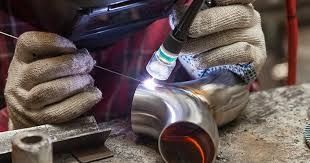
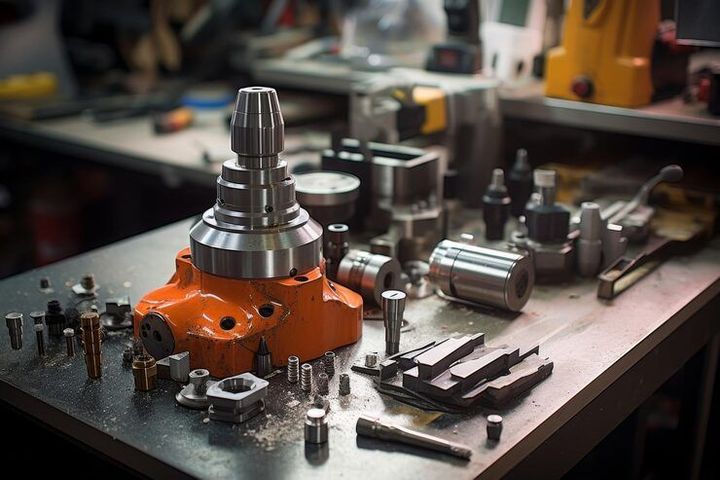
Industrial machinery tools are specialized mechanical or automated devices used in manufacturing, construction, engineering, and industrial production. These tools help shape, cut, drill, mold, assemble, and process materials such as metal, plastic, wood, and composites.
The concept of industrial machinery tools developed during the Industrial Revolution, when factories began using mechanized equipment to replace manual production methods. Over time, technological advancements led to computer-controlled machines capable of highly precise operations.
Today, these tools are widely used in industries such as automotive manufacturing, aerospace engineering, electronics production, and heavy equipment manufacturing. They help ensure consistent production, improved accuracy, and standardized output across manufacturing processes.
Common Types of Industrial Machinery Tools
Some widely used industrial machinery tools include:
- CNC machining equipment
- Milling machines
- Industrial drilling machines
- Metal cutting tools
- Injection molding machines
- Laser cutting systems
- Hydraulic presses
These machines form the backbone of modern manufacturing by enabling efficient and repeatable production of complex components.
Why Industrial Machinery Tools Matter in Today’s Economy
Industrial machinery tools play a vital role in global manufacturing and infrastructure development. Almost every product, from electronics to transportation systems, depends on precision machining and automated tools.
Modern industries demand higher precision, especially in sectors like aerospace and medical manufacturing. Machinery tools make it possible to meet strict tolerance and quality requirements consistently.
Key Benefits of Industrial Machinery Tools
- Reduce manufacturing defects
- Increase production speed
- Support mass customization
- Improve workplace safety
- Enhance energy efficiency
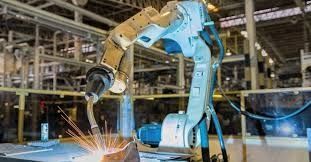
Automation and digital manufacturing technologies, including CNC systems and smart sensors, further improve productivity and reduce operational errors.
Recent Updates and Industry Trends
The industrial machinery sector has seen significant changes in recent years, especially in 2025. Many companies are investing in smart factory technologies that integrate machines with digital monitoring systems and Industrial IoT platforms.
These systems allow real-time data tracking, enabling engineers to monitor performance, detect faults, and optimize production processes efficiently.
Emerging Trends in Industrial Machinery
- Adoption of AI for predictive maintenance
- Integration of Industrial IoT (IIoT)
- Increased focus on energy-efficient machines
- Use of hybrid machining systems
- Growing demand from electric vehicle manufacturing
Advanced materials like carbon fiber and lightweight alloys are also influencing machinery design and capabilities.
Regulations and Industrial Policies
Industrial machinery tools must comply with safety, environmental, and operational regulations. Governments and organizations establish standards to ensure safe and sustainable industrial practices.
Key Regulatory Areas
- Occupational safety standards
- Environmental protection regulations
- Equipment certification requirements
- Energy efficiency policies
Workplace safety rules often require machine guards, emergency systems, and proper worker training. Environmental regulations focus on emissions, waste management, and noise control.
Important Standards and Their Impact
| Standard / Policy | Purpose | Industry Impact |
|---|---|---|
| ISO 9001 | Quality management | Ensures consistent manufacturing processes |
| ISO 14001 | Environmental management | Promotes sustainable production |
| CE Marking | Product safety compliance | Required for EU market access |
| OSHA Standards | Workplace safety | Protects machine operators |
Helpful Tools and Resources
Understanding industrial machinery tools requires access to technical resources, software, and digital platforms. Engineers and professionals rely on these tools for design, monitoring, and optimization.
Design and Engineering Tools
- CAD software for product design
- CAM software for machining simulation
- CNC programming tools
Machine Monitoring Platforms
- Industrial IoT systems
- Predictive maintenance software
- Digital manufacturing dashboards
Learning Resources
- Engineering knowledge platforms
- Manufacturing technology publications
- Industrial automation training portals
Digital twin technology is also widely used to simulate machine performance before real-world implementation.
Machinery Tools and Applications
| Machinery Tool Type | Typical Function | Industry Applications |
|---|---|---|
| CNC Milling Machines | Precision cutting and shaping | Automotive, aerospace |
| Laser Cutting Machines | High-precision cutting | Electronics, fabrication |
| Injection Molding Machines | Plastic production | Consumer goods, packaging |
| Hydraulic Press Machines | Material forming | Automotive manufacturing |
Frequently Asked Questions
What are industrial machinery tools used for?
Industrial machinery tools are used to cut, shape, drill, mold, and assemble materials in manufacturing processes. They enable efficient production across various industries.
What is CNC technology?
CNC (Computer Numerical Control) refers to machines controlled by computer programs. These machines perform precise operations with minimal human intervention.
Which industries depend on these tools?
Industries such as automotive, aerospace, electronics, construction equipment, and renewable energy rely heavily on industrial machinery tools.
How do factories monitor machine performance?
Factories use Industrial IoT systems to track real-time data such as temperature, vibration, and output levels. This helps improve efficiency and reduce downtime.
Why is automation important?
Automation improves accuracy, reduces human error, increases production speed, and ensures consistent product quality.
Manufacturing Priorities in Modern Industry
Modern manufacturing focuses on several key priorities that shape industrial operations and machinery usage.
| Manufacturing Priority | Industry Focus Level |
|---|---|
| Automation Integration | High |
| Precision Engineering | High |
| Energy Efficiency | Moderate |
| Smart Factory Systems | High |
| Manual Process Reduction | High |
Conclusion
Industrial machinery tools are essential for modern manufacturing and industrial growth. They enable the production of complex components with precision, efficiency, and consistency.
Technologies such as CNC machining, automation, artificial intelligence, and IoT are transforming how industries operate. These advancements improve productivity while maintaining safety and sustainability standards.
As industries continue to evolve with digital transformation and advanced materials, industrial machinery tools will remain a key driver of global production and technological progress.