Powder Coating Machines Guide: Understanding Equipment, Applications, and Finishing Processes
Powder coating machines are widely used in manufacturing to apply a durable protective finish to metal and certain other materials.
Unlike traditional liquid coatings, powder coating uses dry powder that is electrically charged and then cured with heat. This finishing method has become common across many industries because it creates an even coating while reducing material waste.
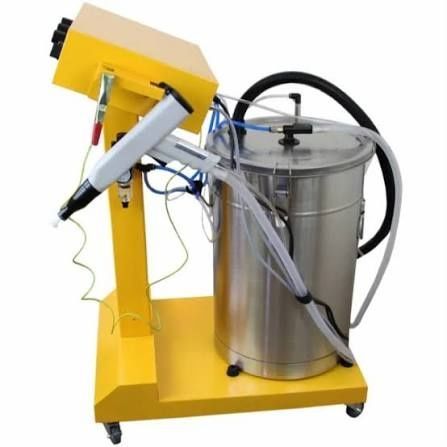
Modern powder coating machines range from small manual units to large industrial powder coating machine installations designed for continuous production. A complete powder coating system may include a powder coating booth, electrostatic powder coating machine, powder coating oven, and conveyor equipment that work together as a coordinated process. As manufacturing requirements have grown, powder coating automation has also become more common in facilities that handle large production volumes.
Context
Understanding Powder Coating Equipment
Powder coating is a finishing process in which fine powder particles are electrically charged and sprayed onto a prepared surface. The coated item is then heated inside a powder coating oven, where the powder melts and forms a smooth, durable finish.
A complete powder coating plant may include several components working together, such as:
| Equipment | Primary Purpose |
|---|---|
| Powder coating booth | Contains overspray and provides a controlled application area |
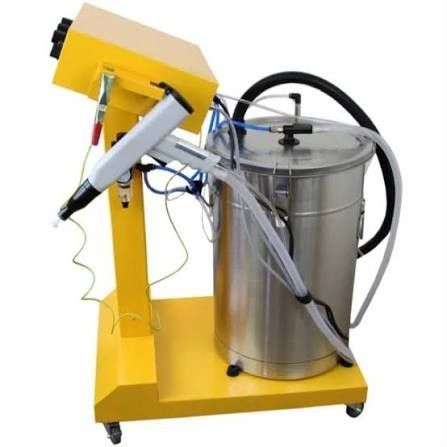
| Electrostatic powder coating machine | Applies electrically charged powder onto surfaces |
| Powder coating oven | Cures the applied coating using controlled heat |
| Conveyor system | Moves products through different processing stages |
| Powder recovery unit | Collects reusable powder from overspray |
These systems can be configured for different production sizes, from small workshops to large industrial coating equipment installations.
Types of Powder Coating Machines
Common equipment configurations include:
- Manual powder coating machines for smaller production volumes.
- Automatic powder coating machine systems for continuous manufacturing.
- Batch powder coating plants for varied product sizes.
- Conveyor-based powder coating line installations for repetitive production.
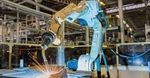
- Robotic powder coating automation systems designed for consistent application.
Each configuration is selected according to production requirements, available space, and the characteristics of the items being coated.
Importance
Why Powder Coating Matters
Powder coating provides both decorative and protective finishes for products used in everyday life. It helps protect metal surfaces from corrosion, scratches, moisture, and environmental exposure.
Industries that commonly use powder coating equipment include:
- Automotive manufacturing
- Construction materials
- Home appliances
- Agricultural equipment
- Furniture manufacturing
- Electrical enclosures
- Metal fabrication
A properly designed powder coating system can improve coating consistency while reducing material waste compared with some traditional finishing methods.
Common Challenges
Successful coating depends on several factors throughout the finishing process, including:
- Proper surface preparation
- Correct powder application
- Stable curing temperature
- Consistent airflow inside the powder coating booth
- Regular equipment inspection
If any stage is not properly controlled, coating quality may be affected through uneven coverage, poor adhesion, or surface imperfections.
Recent Updates
Current Industry Trends
Recent developments between 2024 and 2026 continue to focus on improving efficiency, automation, and environmental performance.
Several trends include:
- Increased adoption of powder coating automation in larger manufacturing facilities.
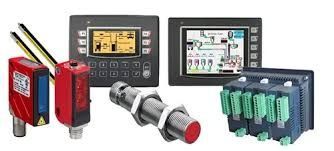
- Improved sensor technology that monitors spray performance.
- More energy-efficient powder coating oven designs.
- Digital control panels with programmable coating settings.
- Better powder recovery systems that reduce unused material.
Manufacturers are also integrating production monitoring software with industrial powder coating machine installations to improve maintenance planning and process consistency.
Laws or Policies
Regulations Affecting Powder Coating
Powder coating operations are influenced by workplace safety, environmental, and industrial regulations. Requirements vary between countries but commonly focus on employee protection, air quality, electrical safety, and equipment maintenance.
Important areas often include:
- Ventilation standards for powder coating booth installations.
- Safe handling of combustible powder materials.
- Electrical grounding requirements for electrostatic powder coating machine equipment.
- Fire prevention measures around curing ovens.
- Proper disposal of industrial waste generated during surface preparation.
Organizations operating powder coating plants generally follow national occupational safety and environmental regulations applicable to industrial manufacturing.
Tools and Resources
Helpful Planning Resources
Several digital resources assist manufacturers in planning and maintaining powder coating equipment.
Useful examples include:
- Powder coverage calculators for estimating coating material.
- Oven curing temperature charts.
- Maintenance inspection checklists.
- Production scheduling software.
- Surface preparation guides.
- Equipment documentation supplied by manufacturers.
In larger facilities, powder coating consulting professionals may assist with production planning, equipment layout, workflow evaluation, and process optimization during new installations or facility upgrades.
FAQs
What are powder coating machines used for?
Powder coating machines apply dry powder coatings to metal and other compatible materials before curing them inside a powder coating oven to create a durable protective finish.
What equipment is included in a powder coating system?
A powder coating system commonly includes a powder coating booth, electrostatic powder coating machine, curing oven, powder recovery equipment, and material handling components such as conveyors.
How does an automatic powder coating machine differ from a manual system?
An automatic powder coating machine uses programmed controls and, in some cases, robotic equipment to apply coatings consistently across larger production volumes, while manual systems rely on operator control.
What industries use industrial powder coating equipment?
Industrial coating equipment is widely used in automotive manufacturing, metal fabrication, furniture production, appliance manufacturing, construction materials, agricultural machinery, and electrical equipment manufacturing.
Why is powder coating consulting sometimes used?
Powder coating consulting may help organizations evaluate equipment layouts, production flow, maintenance planning, and operational efficiency when designing or updating a powder coating line.
Conclusion
Powder coating has become an important finishing process across many manufacturing industries because it combines protective performance with efficient application methods. Modern powder coating machines range from compact manual equipment to highly automated production systems that include multiple integrated components. Understanding the functions of each part of a powder coating system helps explain how consistent finishes are achieved. As automation and monitoring technologies continue to develop, powder coating equipment is evolving to support more efficient industrial production while maintaining reliable finishing processes.