Stainless Steel Welding Guide: Understanding Techniques, Materials, and Applications
Stainless steel welding is the process of joining stainless steel components by applying controlled heat and, in many cases, filler material.
The goal is to create a strong and durable connection while preserving the metal's corrosion resistance and mechanical properties.
Stainless steel contains chromium, which forms a protective oxide layer on the surface. During welding, careful temperature control helps maintain this protective layer and reduces the risk of distortion or corrosion after the weld is completed.
Common Welding Techniques
Several methods are commonly used depending on the application.
| Welding Method | Common Applications | Main Characteristics |
|---|---|---|
| TIG stainless steel welding | Thin materials, decorative work, food equipment | High precision and clean welds |
| MIG stainless steel welding | Manufacturing, fabrication, structural work | Faster welding with consistent results |
| Stick welding | Outdoor construction and repairs | Works well in less controlled environments |
| Automated welding | Large-scale industrial production | High repeatability and consistent quality |
Industrial stainless steel welding often combines these methods depending on material thickness, production requirements, and expected performance.
Importance
Why Stainless Steel Welding Matters
Many industries rely on stainless steel because it resists rust, withstands heat, and maintains strength over long periods. Proper welding techniques help preserve these qualities while creating reliable structures and equipment.
Precision stainless steel welding is particularly important where appearance, hygiene, or dimensional accuracy is required. Examples include:
- Food processing equipment
- Medical instruments
- Commercial kitchens
- Water treatment systems
- Chemical processing equipment
- Transportation components
Food grade stainless steel welding receives special attention because smooth weld surfaces help reduce areas where contaminants could collect, making cleaning easier.
Materials and Equipment
Successful welding depends on selecting suitable materials and tools. Common equipment includes shielding gas systems, filler rods, protective clothing, clamps, grinders, and a stainless steel welding machine designed for the chosen welding process.
Stainless steel welding equipment also includes accessories for joint preparation, measuring, and finishing, all of which contribute to weld quality and consistency.
Recent Updates
Current Industry Trends
Recent developments continue to improve efficiency, accuracy, and quality across many industries.
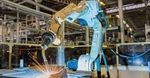
One noticeable trend is the wider use of industrial welding automation. Automated systems can perform repetitive welds with consistent settings, reducing variation between finished components. These systems are increasingly used in manufacturing environments where identical parts are produced in large quantities.
Digital monitoring has also become more common. Modern welding equipment may include programmable settings, data recording, and process monitoring that help operators maintain consistent welding conditions.
Improved shielding gases, advanced filler materials, and better heat-control technologies continue to support cleaner welds and reduced material distortion. Manufacturers are also placing greater emphasis on energy-efficient welding systems and sustainable production practices.
Laws or Policies
Standards and Regulatory Considerations
Stainless steel welding is influenced by technical standards and workplace safety regulations rather than a single universal law. Different countries follow national regulations while also adopting internationally recognized standards.
Common areas covered by regulations include:
- Workplace safety for welding operations
- Personal protective equipment requirements
- Ventilation and fume control
- Electrical safety
- Material quality standards
- Inspection and testing procedures
Food grade stainless steel welding may also follow hygiene standards established for food processing equipment. These standards help ensure that welded surfaces remain suitable for cleaning and regular operation.
Construction, transportation, and industrial sectors often require welded components to meet engineering specifications established by recognized industry organizations.
Tools and Resources
Helpful Resources for Learning and Planning
Several tools and information resources help individuals understand stainless steel welding and related processes.
Useful resources include:
- Welding procedure specification (WPS) templates
- Welding calculators for estimating heat input and material requirements
- Material compatibility charts
- Stainless steel grade selection guides
- Government workplace safety websites
- Technical standards published by engineering organizations
- Manufacturer documentation for stainless steel welding equipment and stainless steel welding machine operation
These resources provide practical information for understanding welding methods, material selection, and quality requirements.
FAQs
What is stainless steel welding?
Stainless steel welding is the process of permanently joining stainless steel materials using controlled heat and appropriate welding techniques while preserving corrosion resistance and structural strength.
What is the difference between TIG stainless steel welding and MIG stainless steel welding?
TIG stainless steel welding generally provides greater precision and cleaner welds, making it suitable for thinner materials and detailed work. MIG stainless steel welding is often used for faster production and thicker materials where efficiency is important.
Why is precision stainless steel welding important?
Precision stainless steel welding helps create accurate joints with minimal distortion. It is commonly used for products that require high dimensional accuracy, clean finishes, or hygienic surfaces.
What equipment is commonly used for industrial stainless steel welding?
Industrial stainless steel welding commonly uses a stainless steel welding machine, shielding gas equipment, filler materials, protective clothing, measuring tools, grinders, and other stainless steel welding equipment needed for preparation and finishing.
How does industrial welding automation support stainless steel fabrication services?
Industrial welding automation uses programmable welding systems to improve consistency, repeatability, and production efficiency. Stainless steel fabrication services and stainless steel welding contractors may use automated systems for applications involving repeated welding operations.
Conclusion
Stainless steel welding combines suitable materials, welding techniques, and careful process control to produce durable and corrosion-resistant joints. Methods such as TIG stainless steel welding and MIG stainless steel welding each serve different applications depending on project requirements. Advances in industrial welding automation, improved equipment, and recognized quality standards continue to shape modern welding practices across many industries.