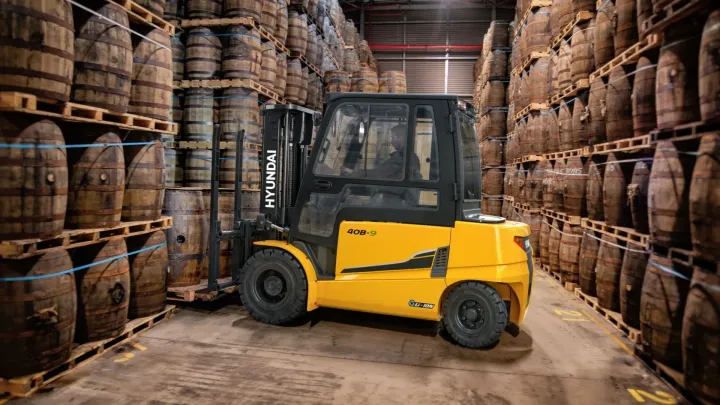
High Capacity Electric Forklifts Procurement Essential Insights for Industrial Operations
As warehouses, manufacturing facilities, ports, and logistics centers continue to modernize, businesses are increasingly adopting electric material handling equipment to improve operational efficiency and support sustainability goals.
High Capacity Electric Forklifts Procurement involves evaluating equipment that can safely handle heavy loads while offering reliable performance, lower emissions, and reduced operating costs compared to many conventional internal combustion alternatives.
Advances in battery technology, automation, smart fleet management, and energy-efficient drive systems have significantly expanded the capabilities of electric forklifts. Understanding procurement considerations can help organizations select equipment that aligns with productivity requirements, facility layouts, and long-term operational objectives.
Note: Forklift capacity, battery type, lifting height, charging requirements, safety features, maintenance needs, and regulatory compliance vary by manufacturer and application. This article is intended for general educational purposes only.
What Is High Capacity Electric Forklifts Procurement?
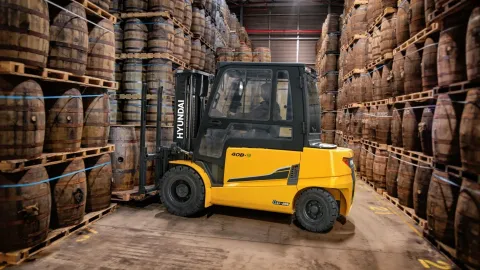
High Capacity Electric Forklifts Procurement refers to the process of evaluating, selecting, and acquiring electric forklifts designed to move heavy materials in industrial environments. These forklifts are commonly used where high lifting capacity, precision handling, and reduced emissions are important operational priorities.
High-capacity electric forklifts are widely used in:
Manufacturing facilities
Warehouses
Distribution centers
Shipping ports
Steel and metal processing
Construction material yards
Paper and packaging industries
Logistics operations
The appropriate equipment depends on load requirements and workplace conditions.
Why Electric Forklifts Are Becoming More Popular
Modern electric forklifts provide several operational advantages.
Potential benefits include:
Reduced direct emissions during operation
Lower operating noise
Improved energy efficiency
Precise load handling
Lower routine maintenance requirements
Better indoor air quality
Advanced digital monitoring
Improved operator comfort
Actual performance depends on equipment specifications, operating conditions, and maintenance practices.
Key Procurement Considerations
Selecting the right forklift requires evaluating multiple technical and operational factors.
Load Capacity
Choose equipment capable of safely lifting the maximum expected loads while maintaining stability.
Lift Height
Evaluate the maximum lifting height required for warehouse racks, storage systems, or production operations.
Battery Technology
Modern electric forklifts commonly use:
Lithium-ion batteries
Lead-acid batteries
Battery selection affects charging time, maintenance requirements, and operating efficiency.
Operating Environment
Consider whether the forklift will operate indoors, outdoors, or across mixed environments.
Maneuverability
Review turning radius, overall dimensions, and aisle width compatibility for efficient movement within the facility.
Safety Features
Many modern forklifts include technologies such as:
Stability control systems
Speed management
Operator presence detection
Load monitoring
Automatic braking assistance
Visibility enhancement systems
Available features vary by manufacturer.
Applications Across Industries
High-capacity electric forklifts support a wide range of industrial operations.
Common applications include:
Warehouse material movement
Manufacturing production support
Container handling
Heavy pallet transport
Steel coil movement
Paper roll handling
Construction material logistics
Distribution center operations
Each application may require different attachments or forklift configurations.
High Capacity Electric Forklifts Procurement Overview
| Procurement Factor | Why It Matters |
|---|---|
| Load Capacity | Matches lifting requirements |
| Battery System | Influences runtime and charging |
| Lift Height | Supports storage and handling operations |
| Safety Features | Enhances workplace safety |
| Fleet Connectivity | Improves operational monitoring |
| Maintenance Support | Helps maximize equipment availability |
Best Practices for Equipment Selection
A structured procurement process helps organizations choose equipment that meets operational needs.
Helpful recommendations include:
Assess current and future load requirements.
Review warehouse layout and aisle dimensions.
Compare battery technologies.
Evaluate total cost of ownership rather than purchase price alone.
Verify compliance with applicable safety standards.
Plan charging infrastructure before deployment.
Train operators according to workplace safety requirements.
Establish a preventive maintenance schedule.
Careful planning supports long-term productivity and equipment reliability.
Current Industry Trends
Electric material handling equipment continues to evolve rapidly.
Recent developments include:
Lithium-ion battery advancements
Fast-charging technologies
Fleet management software
Internet of Things (IoT) connectivity
Artificial intelligence-assisted maintenance planning
Autonomous forklift research
Predictive equipment diagnostics
Energy usage analytics
These innovations help organizations improve operational efficiency while reducing downtime.
Looking Ahead
The future of High Capacity Electric Forklifts Procurement is expected to include broader adoption of autonomous material handling systems, AI-powered fleet optimization, improved battery performance, and deeper integration with smart warehouse management platforms. As industries continue to prioritize sustainability and automation, electric forklifts will play an increasingly important role in modern logistics and manufacturing operations.
Why Understanding High Capacity Electric Forklifts Procurement Matters
Understanding High Capacity Electric Forklifts Procurement helps organizations evaluate equipment based on lifting performance, energy efficiency, operational safety, and long-term business requirements. A well-planned procurement strategy supports reliable material handling, improved productivity, and efficient industrial operations.
Conclusion
High Capacity Electric Forklifts Procurement is an important decision for organizations seeking efficient, reliable, and sustainable material handling solutions. By carefully evaluating lifting capacity, battery technology, safety features, facility requirements, and lifecycle costs, businesses can select equipment that supports long-term operational success. As electric mobility, automation, and digital fleet management continue to advance, high-capacity electric forklifts will remain a key component of modern industrial operations.