From Cranes to Vacuum Lifters: Understanding Modern Lifting Equipment
Modern industries rely on advanced lifting solutions to move heavy materials safely and efficiently. From large construction projects to precision manufacturing and warehouse operations, modern lifting equipment supports productivity while helping reduce manual handling risks.
Equipment such as cranes, forklifts, hoists, vacuum lifters, and automated lifting systems enables organizations to transport loads with greater control and accuracy.
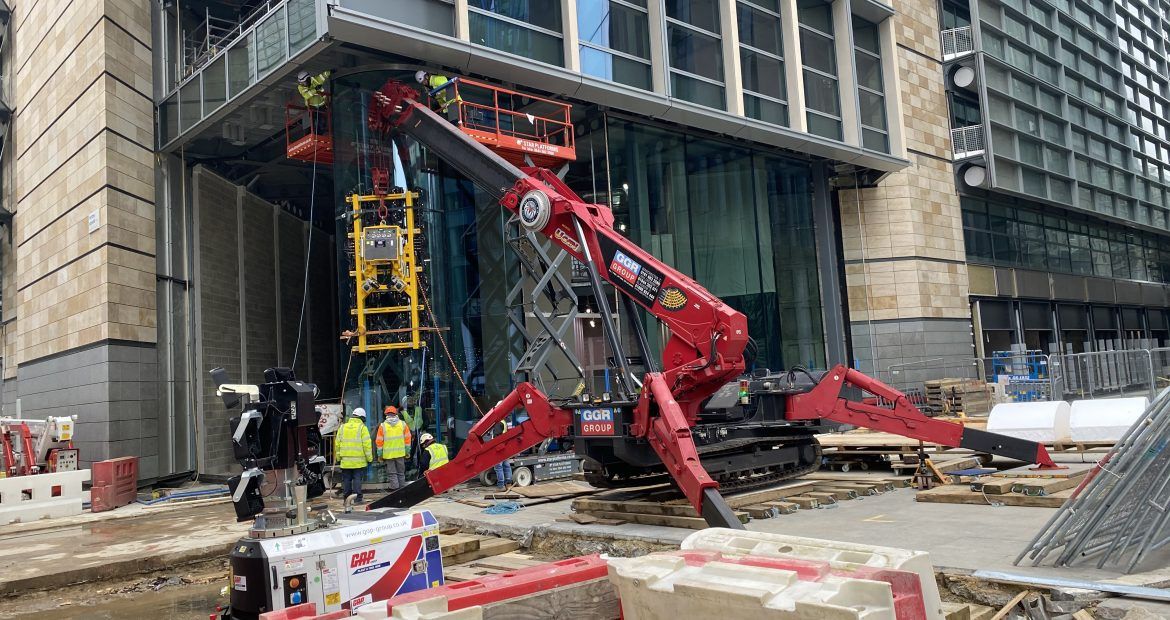
Across industries including construction, logistics, manufacturing, oil and gas, marine, and infrastructure, lifting equipment continues to evolve with smart technologies, automation, and enhanced safety features. Understanding the different types of lifting equipment and their applications can help businesses select appropriate solutions for specific operational needs.
This guide explains modern lifting equipment, common equipment types, industrial applications, safety practices, maintenance considerations, and emerging industry trends.
Note: Equipment specifications, lifting capacities, operating procedures, certification requirements, and safety regulations vary by manufacturer, industry, and country. This guide is intended for general educational purposes only.
What Is Modern Lifting Equipment?
Modern lifting equipment includes mechanical, hydraulic, pneumatic, and electrically powered machines designed to lift, transport, position, and handle heavy or delicate loads safely.
These systems are used to:
Lift heavy materials
Move equipment within facilities
Position construction components
Support manufacturing operations
Handle fragile materials
Improve workplace efficiency
Reduce manual lifting
Increase operational safety
Different equipment types are designed for different load capacities and working environments.
Why Modern Lifting Equipment Matters
Advanced lifting equipment plays an important role in improving industrial operations.
Its benefits may include:
Improved workplace safety
Greater lifting precision
Increased operational efficiency
Reduced manual handling
Higher productivity
Better material protection
Support for complex projects
Improved workflow organization
Selecting suitable lifting equipment depends on the application's requirements.
Types of Modern Lifting Equipment
Cranes
Cranes are among the most widely used lifting machines for construction, infrastructure, ports, and industrial facilities.
Common crane types include:
Mobile cranes
Tower cranes
Crawler cranes
Overhead cranes
All-terrain cranes
Rough-terrain cranes
Each type is designed for specific lifting environments.
Forklifts
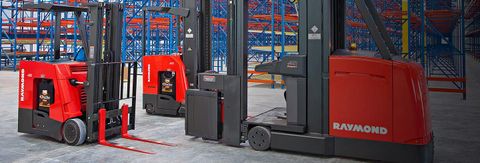
Forklifts transport palletized goods and heavy materials throughout warehouses, factories, and logistics centers.
Popular forklift categories include:
Electric forklifts
Diesel forklifts
LPG forklifts
Reach trucks
Rough-terrain forklifts
Hoists
Hoists lift loads vertically using chains, wire ropes, or synthetic materials.
Common applications include:
Manufacturing
Workshops
Warehouses
Maintenance facilities
Assembly lines
Vacuum Lifters
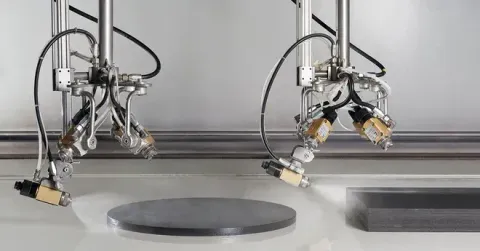
Vacuum lifters use suction technology to lift flat or smooth materials while minimizing direct handling.
Typical materials include:
Glass
Metal sheets
Stone panels
Wood panels
Plastic sheets
Composite materials
Vacuum lifting systems help improve handling precision for delicate materials.
Scissor Lifts
Scissor lifts provide elevated work platforms for maintenance, construction, and installation activities.
Material Handling Robots
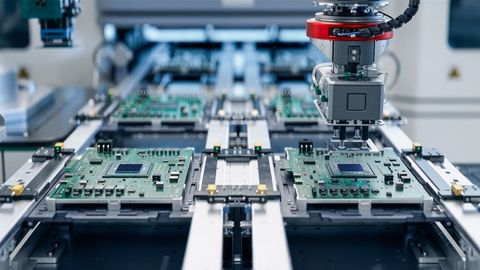
Automated robotic systems increasingly support lifting, positioning, and repetitive handling tasks within smart manufacturing facilities.
Industrial Applications
Modern lifting equipment is used across numerous sectors.
Examples include:
Construction
Manufacturing
Warehousing
Logistics
Oil and gas
Marine operations
Aerospace
Automotive production
Renewable energy
Metal fabrication
Each industry requires equipment suited to its operational environment.
Choosing the Right Lifting Equipment
Selecting appropriate equipment depends on several operational factors.
Important considerations include:
Load weight
Load dimensions
Lift height
Working environment
Ground conditions
Indoor or outdoor operation
Frequency of use
Available space
Safety requirements
Required attachments
A thorough assessment helps ensure equipment is matched to the task.
Modern Lifting Equipment Overview
| Equipment | Primary Application |
|---|---|
| Crane | Heavy construction and industrial lifting |
| Forklift | Warehouse and logistics material handling |
| Hoist | Vertical lifting in industrial facilities |
| Vacuum Lifter | Handling glass, panels, and sheet materials |
| Scissor Lift | Elevated access for maintenance and installation |
| Robotic Lifting System | Automated production and material handling |
Maintenance Best Practices
Routine maintenance supports reliable equipment performance.
Recommended practices include:
Inspect lifting components regularly.
Check hydraulic systems.
Lubricate moving parts.
Test safety devices.
Examine lifting chains and wire ropes.
Monitor battery or fuel systems.
Replace worn components promptly.
Follow manufacturer maintenance schedules.
Preventive maintenance helps improve equipment reliability and operational safety.
Workplace Safety
Safe lifting operations require proper planning and operator awareness.
General safety recommendations include:
Conduct pre-operation inspections.
Never exceed rated load capacities.
Use appropriate lifting accessories.
Maintain clear communication among team members.
Secure work zones during lifting activities.
Wear suitable personal protective equipment (PPE).
Follow manufacturer operating instructions.
Comply with applicable workplace safety regulations.
Proper training and planning help reduce operational risks.
Current Industry Trends
Lifting technology continues to advance through digital innovation.
Recent developments include:
Smart lifting sensors
Artificial intelligence-assisted load monitoring
Fleet telematics
Predictive maintenance
Remote equipment diagnostics
Electric lifting equipment
Internet of Things (IoT) integration
Semi-autonomous material handling systems
These technologies support improved efficiency, safety, and equipment management.
Looking Ahead
Future lifting equipment is expected to incorporate greater automation, intelligent load monitoring, robotics, and energy-efficient power systems. As Industry 4.0 technologies continue to expand, connected lifting equipment will provide enhanced operational visibility, predictive maintenance capabilities, and improved workplace safety across industrial sectors.
Why Understanding Modern Lifting Equipment Matters
Understanding modern lifting equipment helps engineers, project managers, warehouse operators, and manufacturing professionals evaluate lifting solutions based on application requirements, safety standards, and operational efficiency. Knowledge of equipment capabilities supports better planning, safer operations, and improved productivity.
Conclusion
From cranes and forklifts to hoists and vacuum lifters, modern lifting equipment plays a vital role in supporting industrial operations across a wide range of sectors. Each type of equipment is designed to meet specific lifting and material handling needs while contributing to safer and more efficient workflows. By understanding equipment types, selection criteria, maintenance practices, and emerging technologies, organizations can make informed decisions that support reliable and effective lifting operations.