Discover How Industrial Vacuum Drying Ovens Support Precision Drying Processes
Moisture removal is a critical step in many industrial manufacturing processes, particularly when working with heat-sensitive materials that require controlled drying conditions. Industrial Vacuum Drying Ovens are designed to remove moisture at reduced pressure, allowing products to dry at lower temperatures while helping preserve their physical and chemical properties.
These systems are widely used in pharmaceutical production, electronics manufacturing, chemical processing, food technology, laboratories, and advanced material industries.
As manufacturers focus on higher product quality, energy efficiency, and process automation, vacuum drying technology continues to evolve with smart controls, digital monitoring, and Industry 4.0 integration. Understanding how industrial vacuum drying ovens operate can help organizations select suitable drying equipment for specialized production requirements.
Note: Oven capacity, operating temperature, vacuum level, heating method, chamber size, safety features, and automation capabilities vary by manufacturer and application. This article is intended for general educational purposes only.
What Are Industrial Vacuum Drying Ovens?
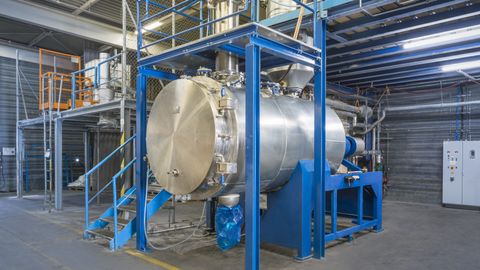
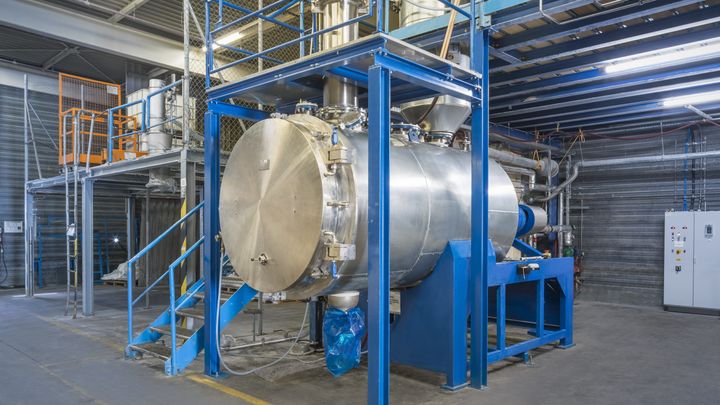
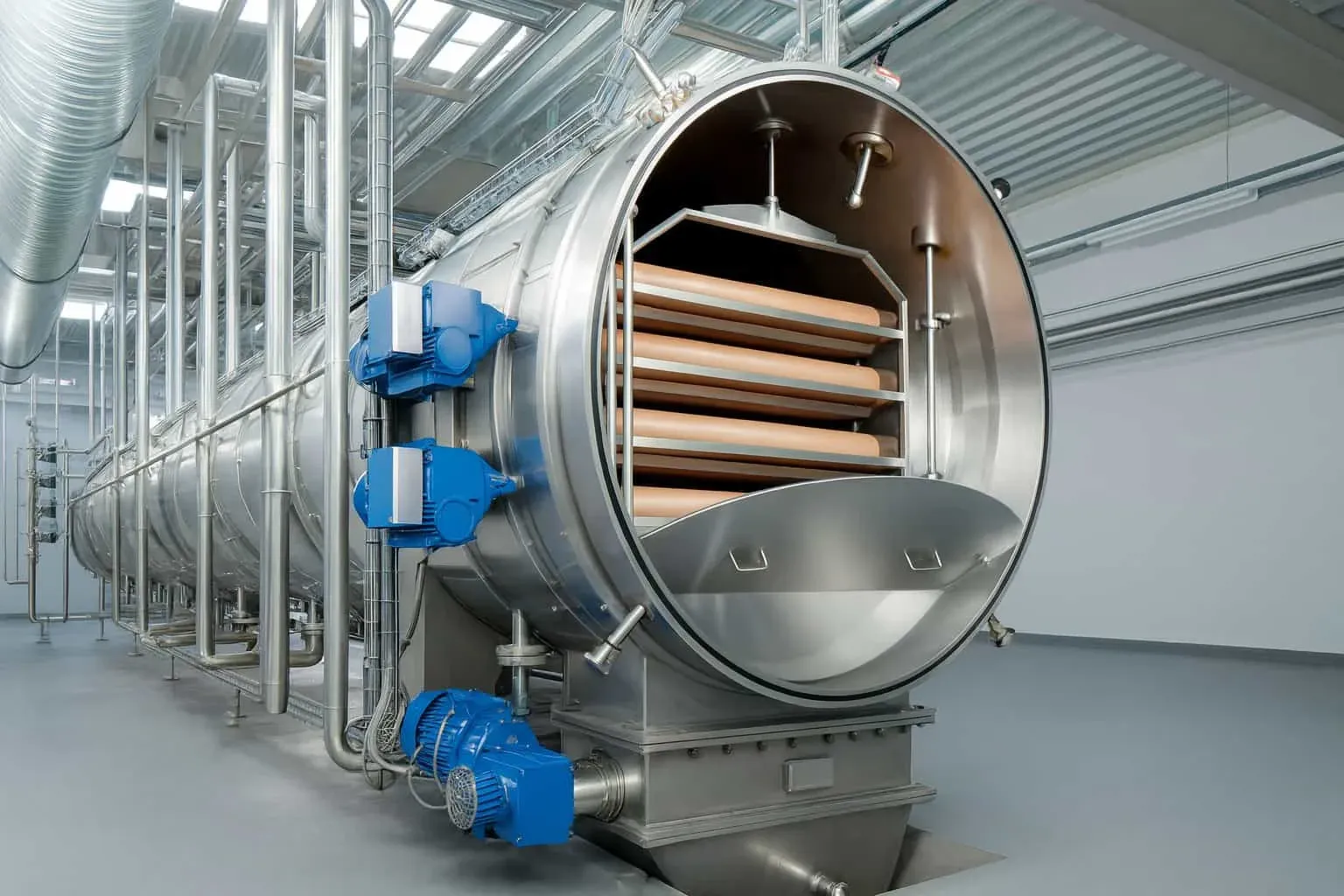
Industrial Vacuum Drying Ovens are enclosed drying systems that remove moisture by operating under reduced atmospheric pressure. Lower pressure decreases the boiling point of water and other solvents, allowing materials to dry at lower temperatures than conventional drying methods.
These ovens are commonly used for:
Pharmaceutical ingredients
Electronic components
Specialty chemicals
Laboratory samples
Medical devices
Battery materials
Precision-engineered parts
Research and development applications
The drying process is carefully controlled to achieve consistent and repeatable results.
How Vacuum Drying Works
Vacuum drying combines controlled heating with pressure reduction.
Material Loading
Products are placed inside the sealed drying chamber.
Vacuum Creation
A vacuum pump removes air from the chamber, reducing internal pressure.
Controlled Heating
Heating elements provide uniform temperatures while minimizing thermal stress on the material.
Moisture Evaporation
Because pressure is reduced, moisture evaporates at lower temperatures than under normal atmospheric conditions.
Vapor Removal
The evaporated moisture is extracted through the vacuum system, allowing the drying process to continue efficiently.
Benefits of Industrial Vacuum Drying Ovens
Vacuum drying offers several advantages for precision manufacturing.
Potential benefits include:
Lower drying temperatures
Reduced thermal damage
Improved product consistency
Better moisture control
Enhanced drying efficiency
Reduced oxidation for certain materials
Improved product quality
Support for sensitive manufacturing processes
The actual benefits depend on material characteristics and process parameters.
Common Industrial Applications
Vacuum drying ovens are used across many industries.
Examples include:
Pharmaceutical Manufacturing
Drying active pharmaceutical ingredients (APIs), powders, and formulations while maintaining product integrity.
Electronics Production
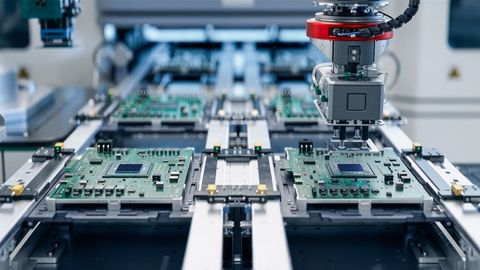
Removing moisture from electronic assemblies and components before manufacturing or packaging.
Chemical Processing
Drying specialty chemicals, catalysts, and laboratory materials.
Food Processing
Supporting low-temperature drying of selected food products where appropriate.
Research Laboratories
Preparing analytical samples under carefully controlled environmental conditions.
Battery Manufacturing
Drying battery materials that require low-moisture processing environments.
Key Features to Consider
When selecting a vacuum drying oven, manufacturers often evaluate several technical specifications.
Important considerations include:
Chamber capacity
Maximum operating temperature
Vacuum performance
Temperature uniformity
Heating technology
Control system
Safety features
Energy efficiency
Equipment selection should align with production goals and material requirements.
Industrial Vacuum Drying Ovens Overview
| Feature | Primary Benefit |
|---|---|
| Vacuum Chamber | Enables low-pressure drying |
| Controlled Heating | Maintains consistent temperatures |
| Vacuum Pump | Removes air and moisture vapor |
| Digital Controls | Improve process accuracy |
| Temperature Monitoring | Supports product consistency |
| Safety Systems | Enhance operational protection |
Best Practices for Efficient Operation
Proper operation improves drying performance and equipment reliability.
Helpful recommendations include:
Match drying parameters to material properties.
Monitor vacuum levels throughout the process.
Maintain temperature consistency.
Inspect seals and vacuum components regularly.
Clean the chamber according to manufacturer recommendations.
Schedule preventive maintenance.
Train operators on equipment procedures.
Follow workplace safety protocols.
Routine maintenance helps maximize equipment performance and longevity.
Current Industry Trends
Vacuum drying technology continues to advance.
Recent developments include:
Artificial intelligence-assisted process optimization
Industrial Internet of Things (IIoT) connectivity
Predictive maintenance systems
Automated recipe management
Cloud-based production monitoring
Energy-efficient heating systems
Smart sensor integration
Real-time quality analytics
These innovations help manufacturers improve process control and production efficiency.
Looking Ahead
The future of Industrial Vacuum Drying Ovens is expected to include greater automation, AI-powered process optimization, enhanced energy efficiency, and deeper integration with smart manufacturing systems. As industries continue to demand high-quality, moisture-sensitive production processes, vacuum drying technology will remain an important component of precision manufacturing.
Why Understanding Industrial Vacuum Drying Ovens Matters
Understanding Industrial Vacuum Drying Ovens helps manufacturers evaluate drying technologies that improve product quality, reduce thermal stress, and support efficient production. Selecting appropriate equipment and maintaining controlled operating conditions contribute to consistent manufacturing outcomes across a wide range of industries.
Conclusion
Industrial Vacuum Drying Ovens provide an effective solution for drying heat-sensitive materials under carefully controlled low-pressure conditions. By combining vacuum technology, precise temperature control, and modern automation, these systems help manufacturers improve product consistency, protect sensitive materials, and enhance production efficiency. As smart manufacturing technologies continue to evolve, industrial vacuum drying ovens will remain an essential tool for precision drying applications.