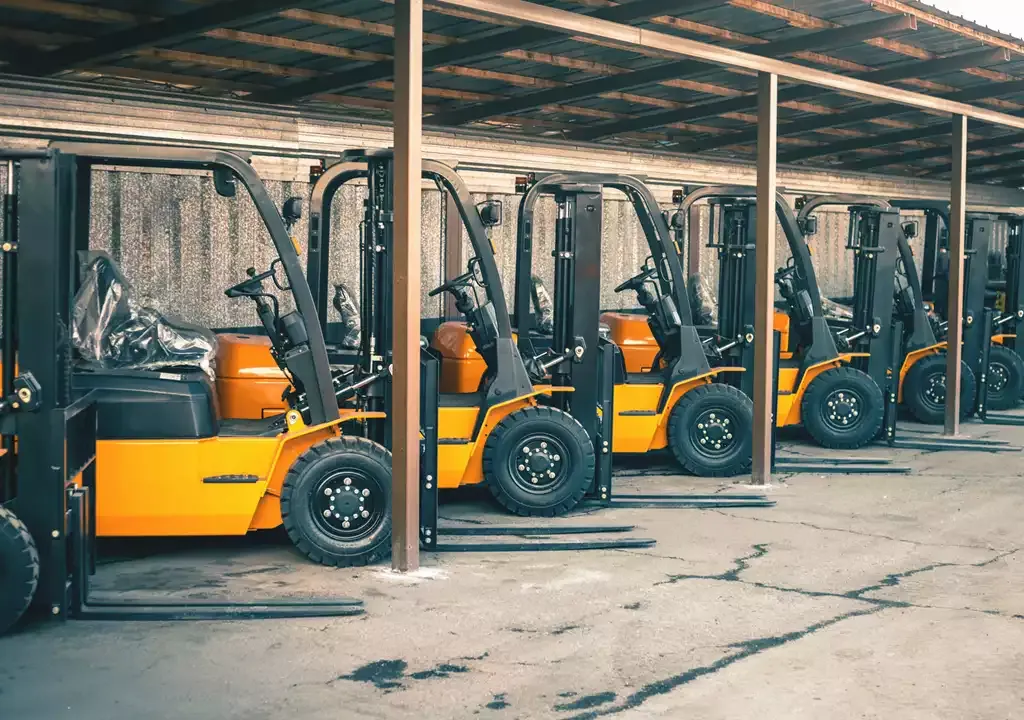
Forklifts play a vital role in warehouses, logistics hubs, construction sites, manufacturing facilities, and retail distribution centers. However, purchasing a forklift is not always the most practical or cost-effective option, especially for businesses with short-term projects, seasonal demand, or changing operational requirements.
Renting a forklift provides flexibility, reduces upfront investment, and allows companies to access modern equipment without the long-term responsibilities of ownership. Whether you require a machine for a single day, several months, or a large-scale industrial project, understanding rental options can help you make informed decisions and improve operational efficiency.

What Is Forklift Rental?
Forklift rental is a service that allows businesses to use forklifts for a specified period by paying a rental fee instead of purchasing the equipment. Rental providers typically offer daily, weekly, monthly, and long-term agreements, often including maintenance and technical support.
Businesses across the UAE rely on forklift rental to manage warehouse operations, transport heavy materials, support construction projects, and handle temporary increases in workload.
Why Businesses Choose Forklift Rental
1. Lower Initial Investment
Renting eliminates the significant capital required to purchase industrial equipment. Instead of making a large upfront investment, businesses can allocate resources to other operational priorities while accessing modern forklifts for their projects.
2. Flexible Rental Periods
Rental companies provide daily, weekly, monthly, and long-term contracts, allowing businesses to select equipment based on project duration without committing to ownership.
3. Maintenance Included
Most rental agreements include preventive maintenance, regular servicing, and emergency repairs. These services reduce equipment downtime, improve operational reliability, and help businesses avoid unexpected maintenance expenses while ensuring smooth forklift performance.
4. Access to Modern Equipment
Rental fleets are regularly updated with newer forklift models featuring improved fuel efficiency, advanced safety technologies, enhanced operator comfort, and better performance, allowing businesses to access reliable equipment without purchasing.
5. Scalable Operations
Companies can quickly increase or decrease the number of forklifts according to project demands, making rental an ideal solution for seasonal or temporary workloads.
Types of Forklifts for Rent
1. Electric Forklifts
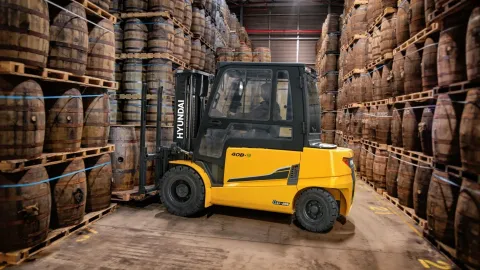
An Electric forklift for rent is powered by rechargeable batteries rather than diesel or LPG engines. These forklifts produce zero direct emissions, operate quietly, and are ideal for indoor warehouses, food storage facilities, pharmaceutical operations, and retail distribution centers.
2. Diesel Forklifts
Diesel forklifts deliver high lifting capacities and excellent outdoor performance, making them suitable for construction sites, ports, heavy industries, and large logistics yards.
3. LPG Forklifts
Liquefied Petroleum Gas (LPG) forklifts combine the benefits of indoor and outdoor operation. They offer quick refueling and consistent performance across various industries.
4. Reach Trucks
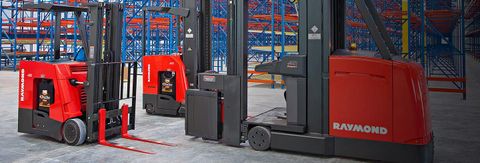
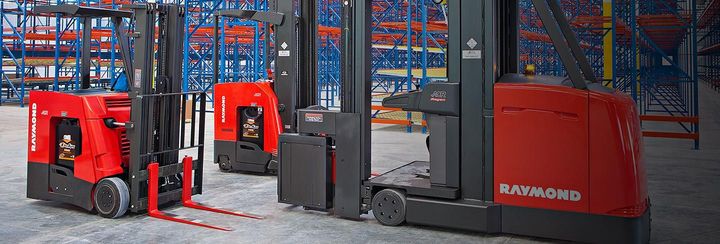
Reach trucks are designed for narrow warehouse aisles and high-rack storage systems. Their compact design maximizes storage efficiency while maintaining excellent lifting capability.
5. Rough Terrain Forklifts
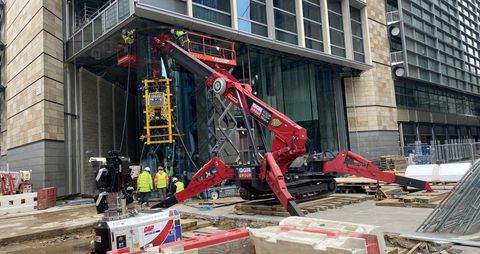
Built for uneven surfaces, rough terrain forklifts are commonly used on construction projects, infrastructure developments, and outdoor industrial sites.
Understanding Forklift Rental Options in the UAE
Businesses looking for a Forklift rental in Dubai or a Forklift for rent UAE can choose from numerous rental packages tailored to different industries, including warehouses, construction sites, logistics facilities, and manufacturing operations. Providers typically offer equipment ranging from 1.5-ton warehouse forklifts to heavy-duty industrial lifting machines exceeding 15 tons.
Rental agreements often include operator training where applicable, scheduled maintenance services, equipment replacement in case of breakdowns, technical support, and delivery and collection services to ensure smooth operations and minimize downtime during the rental period.
Choosing Monthly Rental Plans
A Monthly forklift rental is suitable for projects lasting several weeks or months. Compared to daily rentals, monthly agreements generally provide better value and predictable operating costs.
Benefits include:
1. Reduced Daily Rental Cost
Monthly forklift rental agreements often provide lower overall costs compared to short-term rentals, helping businesses save money while maintaining access to essential material handling equipment for extended operational requirements.
2. Easier Budgeting
A monthly rental plan allows companies to predict expenses more accurately by providing fixed payment structures. This simplifies financial planning and helps businesses manage operational budgets without unexpected equipment ownership costs.
3. Continuous Equipment Availability
Monthly rentals ensure businesses have reliable access to forklifts throughout their projects. This prevents equipment shortages, supports uninterrupted workflows, and helps maintain productivity during long-term warehouse or construction operations.
4. Maintenance Support
Many monthly forklift rental agreements include regular servicing and maintenance assistance. This reduces downtime, ensures equipment reliability, and allows businesses to focus on operations without managing repair responsibilities or service schedules.
5. Flexible Contract Extensions
Monthly rental contracts often allow businesses to extend rental periods based on changing project requirements. This flexibility helps companies adapt quickly without purchasing additional equipment or making long-term ownership commitments.
Estimated monthly rental costs in the UAE:
- 2–3 ton electric forklift: AED 2,800–4,500
- 3–5 ton diesel forklift: AED 4,000–7,500
- Heavy-duty forklift (8–15 tons): AED 8,000–18,000
Benefits of Renting Electric Forklifts
Businesses increasingly prefer an Electric forklift for rent because of its environmental and operational advantages.
1. Lower Operating Costs
Electric forklifts reduce operational expenses by using electricity instead of fuel and requiring fewer routine repairs. Rental users can benefit from efficient performance while avoiding major maintenance investments.
2. Environmentally Friendly
Electric forklifts produce zero direct emissions, making them ideal for indoor workplaces, warehouses, and facilities where air quality, environmental responsibility, and employee health are important considerations.
3. Quiet Operation
Electric forklifts operate with significantly reduced noise compared to fuel-powered alternatives. Their quieter performance creates a safer, more comfortable working environment in warehouses, manufacturing facilities, and distribution centers.
4. High Efficiency
Advanced battery technology enables electric forklifts to deliver consistent performance, longer operating periods, faster charging capabilities, and improved productivity for businesses handling regular material movement requirements.
5. Reduced Maintenance
Electric forklifts contain fewer mechanical components than combustion-powered models, lowering servicing needs and repair expenses. This helps rental users maintain smoother operations with fewer equipment-related interruptions.
Applications of Forklift Rental
1. Warehousing
Forklifts improve warehouse efficiency by enabling smooth pallet movement, organized inventory management, faster loading and unloading operations, and better storage solutions while reducing manual handling efforts and improving workplace productivity.
2. Logistics
Rental forklifts support logistics operations by handling freight movement, container unloading, loading trucks, and managing distribution centers efficiently while ensuring faster material transportation and improved supply chain performance.
3. Construction
Construction companies use forklifts to transport heavy building materials, equipment, and supplies safely across project sites, improving workflow efficiency, reducing manual labor, and supporting timely project completion.
4. Manufacturing
Factories depend on forklifts for moving raw materials, finished products, machinery components, and production supplies efficiently, helping maintain smooth manufacturing processes, reduce delays, and improve overall operational productivity.
5. Retail Distribution
Large retail operations use forklifts for stock replenishment, warehouse storage, order preparation, and shipment handling, ensuring efficient inventory control, faster distribution processes, and improved customer service performance.
Factors to Consider Before Renting
1. Lifting Capacity
Choose equipment capable of safely handling your maximum expected load. Selecting the correct lifting capacity prevents accidents, improves efficiency, and ensures the forklift operates within manufacturer-recommended safety limits.
2. Lift Height
Ensure the forklift can reach required storage heights, shelves, or loading platforms. Consider mast height, warehouse layout, and operational requirements to select equipment that performs effectively in your workplace.
3. Working Environment
Evaluate the operating environment before renting a forklift. Indoor facilities often require electric models, while outdoor construction sites may need diesel forklifts designed for rough conditions and durability.
4. Rental Duration
Compare daily, weekly, and monthly rental options to identify the most cost-effective solution. Longer rental periods often provide better value while ensuring continuous equipment availability for extended projects and operations.
5. Safety Features
Check essential safety features, including seat belts, warning lights, stability systems, alarms, and operator certifications. Reliable safety equipment reduces workplace risks and supports secure forklift operations across various industries.
Estimated Forklift Rental Costs in the UAE
Daily Rental
Estimated cost ranges from AED 200–600, depending on forklift type, capacity, rental provider, and additional services required for short-term material handling needs.
Weekly Rental
Estimated cost ranges from AED 900–2,500, offering a flexible option for businesses requiring equipment for temporary projects or increased operational demand.
Monthly Rental
Estimated cost ranges from AED 2,800–7,500, providing a cost-effective solution for long-term warehouse, logistics, and industrial applications.
Heavy-Duty Monthly Rental
Estimated cost ranges from AED 8,000–18,000 for high-capacity forklifts used in construction, manufacturing, and heavy industrial operations.
Actual pricing depends on lifting capacity, fuel type, rental duration, delivery charges, and optional operator services.
Understanding Rental Agreements
Before signing a rental contract, review:
1. Equipment Condition
Inspect the forklift condition before accepting delivery, including tires, forks, controls, and safety features. Document existing issues to avoid disputes and ensure the equipment meets operational requirements.
2. Insurance Coverage
Review insurance details carefully to understand protection against accidents, damages, and liabilities. Confirm coverage responsibilities between the rental provider and customer before beginning forklift operations.
3. Maintenance Responsibilities
Clarify who handles routine maintenance, servicing, and emergency repairs during the rental period. Understanding these responsibilities helps prevent unexpected expenses and reduces equipment downtime during operations.
4. Fuel or Charging Requirements
Check whether fuel costs or battery charging arrangements are included in the rental agreement. Understanding energy requirements helps businesses plan operating expenses and maintain consistent forklift availability.
5. Delivery and Pickup Charges
Confirm transportation fees, delivery schedules, and equipment collection charges before signing the contract. Knowing these costs in advance helps businesses manage budgets and avoid additional rental expenses.
Carefully reading the agreement helps avoid unexpected costs during the rental period.
Leading Lifting Equipment Rental Companies in the UAE
Several Lifting equipment rental companies UAE provide forklift rental services for industrial and commercial customers.
1. Byrne Equipment Rental
Offers electric, diesel, and LPG forklifts for construction, logistics, and industrial applications.
Estimated monthly cost: AED 3,000–10,000 depending on capacity.
2. Johnson Arabia
Provides forklifts, telehandlers, aerial work platforms, and material handling equipment across the UAE.
Estimated monthly cost: AED 3,500–12,000.
3. Hala Equipment Trading LLC
Hala Equipment Trading LLC provides forklift rental solutions across the UAE, offering electric, diesel, telehandler, and rough-terrain forklifts.
Estimated cost: AED 3,000–12,000 monthly depending on capacity, model, and rental duration.
4. Liftronic Machinery Rental LLC
Liftronic Machinery Rental LLC offers forklift rentals including electric, diesel, reach trucks, and warehouse equipment with flexible daily, weekly, monthly, and yearly options.
Estimated cost: AED 2,800–10,000 monthly based on equipment type and specifications.
5. Arabian Jerusalem Equipment Trading
Provides forklift rental and sales solutions for commercial and industrial customers.
Estimated monthly cost: AED 2,800–8,500.
Tips for Selecting the Right Rental Provider
1. Compare Rental Packages
Evaluate rental costs, maintenance services, equipment availability, contract flexibility, and delivery options from different providers. Comparing packages helps businesses select affordable solutions that meet operational requirements while ensuring reliable forklift performance.
2. Inspect Equipment
Examine the forklift’s overall condition, including tires, forks, hydraulics, controls, and safety features before accepting delivery. Proper inspection ensures equipment reliability, reduces risks, and supports safe workplace operations.
3. Verify Maintenance Support
Select rental providers that offer regular maintenance, quick repairs, and replacement equipment when needed. Reliable support minimizes downtime, improves productivity, and ensures forklifts remain safe and efficient throughout the rental period.
4. Review Insurance Coverage
Understand insurance policies, liability responsibilities, damage protection, and coverage limitations before signing rental agreements. Reviewing these details helps prevent unexpected expenses and ensures proper protection during forklift usage.
5. Assess Customer Support
Choose providers with responsive customer service, technical assistance, and quick issue resolution. Strong support ensures smooth operations, reduces equipment-related delays, and provides confidence throughout the entire forklift rental experience.
Common Mistakes to Avoid
1. Avoid Renting Incorrect Capacity Equipment
Selecting a forklift with insufficient lifting capacity can create safety risks, reduce efficiency, and damage equipment. Always evaluate load requirements carefully to ensure the chosen machine handles tasks effectively.
2. Choose the Right Forklift Type
Using an unsuitable forklift for the working environment may affect productivity and safety. Consider factors such as indoor or outdoor conditions, terrain, fuel type, and operational requirements.
3. Review Maintenance and Insurance Terms
Ignoring maintenance responsibilities and insurance details can lead to unexpected expenses and operational delays. Carefully review rental agreements to understand coverage, servicing requirements, and liability conditions before approval.
4. Avoid Choosing Only Low Prices
Selecting a rental provider based solely on the lowest price may compromise equipment quality and service reliability. Compare costs alongside maintenance support, safety standards, and overall value.
5. Provide Proper Operator Training
Failing to train forklift operators properly increases accident risks and reduces workplace efficiency. Ensure operators understand equipment controls, safety procedures, and handling techniques before beginning operations.
Final Checklist Before Renting a Forklift
1. Identify Your Lifting Capacity Requirements
Determine the maximum weight your forklift needs to handle before renting equipment. Choosing the correct lifting capacity ensures safe operations, prevents equipment damage, and improves workplace efficiency during material handling tasks.
2. Select the Appropriate Forklift Type
Choose a forklift model based on your working environment, load requirements, and operational needs. Consider electric, diesel, LPG, reach, or rough terrain forklifts to ensure optimal performance and safety.
3. Compare Rental Options
Evaluate daily, weekly, and monthly rental plans to find the most cost-effective solution. Comparing prices, contract flexibility, and included services helps businesses select rental packages that match project requirements.
4. Verify Maintenance and Support
Confirm that the rental provider offers regular maintenance, repair services, and technical assistance. Reliable support reduces downtime, keeps equipment operating efficiently, and ensures smoother material handling throughout the rental period.
5. Review Rental Terms Carefully
Read all rental agreements thoroughly before signing to understand costs, responsibilities, insurance coverage, and service conditions. Clear knowledge of contract details helps avoid unexpected expenses and operational issues later.
Conclusion
Forklift rental offers businesses across the UAE a practical, flexible, and cost-effective solution for material handling. From short-term warehouse operations to long-term industrial projects, renting provides access to modern equipment without the financial commitment of ownership. By understanding rental options, comparing providers, evaluating costs, and selecting equipment that matches operational needs, businesses can improve productivity, enhance workplace safety, and manage expenses more effectively.
Disclaimer
The information provided in this article is for informational purposes only. We do not make any claims or guarantees regarding the accuracy, reliability, or completeness of the information presented. The content is not intended as professional advice and should not be relied upon as such. Readers are encouraged to conduct their own research and consult with appropriate professionals before making any decisions based on the information provided in this article.