Agricultural Equipment Guide: Understanding Modern Farming Tools and Field Operations
Agriculture has evolved significantly over the past century, moving from labor-intensive methods to highly organized systems supported by advanced technology.
Agricultural equipment refers to the tools, machines, and systems used to prepare land, plant crops, manage fields, irrigate farmland, and harvest agricultural products. These developments have helped farmers work more efficiently while managing larger areas of land.
The growth of agricultural machinery has been driven by the need to improve productivity, reduce manual labor, and address challenges such as changing weather patterns and increasing food demand. Modern farms often use a combination of traditional machines and digital technologies to support field operations throughout the growing season.
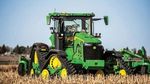
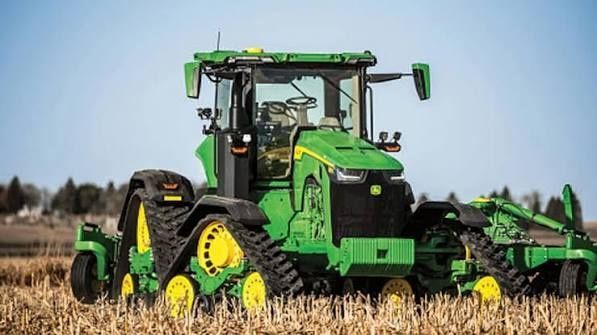
Today, agricultural equipment includes tractors, seed drills, harvesters, irrigation systems, sprayers, and monitoring devices. Alongside these machines, precision agriculture equipment and smart farming equipment have introduced data-driven approaches that help farmers make informed decisions about planting, irrigation, fertilization, and harvesting.
Commercial farming equipment is commonly used in large-scale agricultural operations, while smaller farms may use compact versions designed for limited acreage. As farming methods continue to change, equipment manufacturers and technology developers work to create machinery that supports efficiency, sustainability, and resource management.
Importance
Supporting Food Production
Agricultural equipment plays a central role in food production. Modern machines help farmers prepare fields, plant crops at appropriate depths, manage weeds, and harvest produce within critical time periods. These activities contribute to a more organized and reliable agricultural process.
Without mechanized equipment, many farming tasks would require significantly more labor and time. Machinery allows agricultural operations to cover larger areas while maintaining consistent field practices.
Improving Resource Management
Precision farming technology helps farmers use resources more effectively. Sensors, mapping tools, and monitoring systems provide information about soil conditions, moisture levels, and crop health.
Some examples include:
- GPS-guided tractors for accurate field navigation
- Soil monitoring devices for nutrient analysis
- Automated irrigation controls
- Yield mapping systems during harvesting
- Remote crop monitoring platforms
These tools help farmers understand field conditions and make adjustments when necessary.
Addressing Labor Challenges
Many agricultural regions face labor shortages during planting and harvesting seasons. Agricultural automation systems help reduce reliance on manual processes by automating repetitive tasks.
Examples include automated steering systems, robotic field monitoring, and machinery capable of performing multiple operations during a single field pass. While human oversight remains important, automation can assist with routine activities.
Supporting Environmental Goals
Modern crop management equipment often focuses on reducing waste and improving efficiency. Precision application systems can distribute water, fertilizer, or crop protection materials only where needed.
This approach may help reduce excessive resource use while supporting crop growth. As environmental concerns continue to influence agricultural practices, equipment design increasingly incorporates sustainability considerations.
Common Categories of Agricultural Equipment
| Equipment Category | Primary Purpose |
|---|---|
| Tractors | Power source for multiple farming tasks |
| Seeders and Planters | Crop establishment and planting |
| Harvesting Equipment | Collecting mature crops |
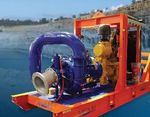
| Irrigation Equipment Systems | Water distribution and management |
| Sprayers | Crop treatment application |
| Crop Management Equipment | Monitoring and field maintenance |
| Agricultural Automation Systems | Automated field operations |
| Precision Agriculture Equipment | Data collection and analysis |
Recent Updates
Expansion of Smart Farming Equipment
Recent years have seen increased adoption of smart farming equipment across different agricultural sectors. Connected devices, sensors, and digital platforms allow farmers to collect and analyze field data more efficiently.
Many modern machines now include onboard computers capable of tracking performance, fuel use, field coverage, and operational efficiency.
Greater Use of Precision Agriculture Equipment
Precision agriculture equipment continues to become more accessible across various farm sizes. GPS guidance systems, drone imagery, and field mapping tools are increasingly integrated into routine farm operations.
These technologies support more targeted field management by identifying differences within specific sections of farmland rather than treating an entire field uniformly.
Integration of Artificial Intelligence and Analytics
Some agricultural machinery now incorporates analytical software that can process large amounts of field data. These systems may identify patterns related to crop growth, irrigation requirements, or equipment performance.
Artificial intelligence tools are increasingly being used to assist with decision-making and equipment optimization.
Growth of Automated Field Operations
Agricultural automation systems have expanded beyond simple steering assistance. Modern automation includes:
- Automated planting systems
- Variable-rate application technology
- Autonomous monitoring equipment
- Remote machinery management
- Automated irrigation controls
These developments aim to improve consistency and operational efficiency.
Focus on Sustainable Field Practices
Equipment manufacturers are increasingly developing machinery designed to support sustainable agriculture. Innovations often focus on reducing fuel consumption, minimizing soil disturbance, and improving resource efficiency.
This trend reflects growing interest in balancing agricultural productivity with environmental considerations.
Laws or Policies
Agricultural Equipment Standards
Most countries establish technical and safety standards for agricultural machinery. These regulations help ensure that equipment operates safely and meets performance requirements.
Standards may cover areas such as machine construction, operator safety features, emissions, and maintenance procedures.
Environmental Regulations
Agricultural equipment often operates within environmental guidelines related to fuel emissions, water management, and land use practices. Equipment manufacturers may design machinery to comply with national and regional environmental requirements.
These regulations can influence machinery design and operational procedures.
Government Support Programs
Many governments provide programs that support agricultural modernization. Such programs may encourage the adoption of precision farming technology, efficient irrigation equipment systems, and resource management tools.
The structure of these programs varies by country and may include educational initiatives, technical guidance, or financial assistance mechanisms.
Farm Equipment Financing and Leasing Frameworks
Farm equipment financing and agricultural equipment leasing arrangements are generally governed by commercial and financial regulations. These frameworks define responsibilities for lenders, equipment providers, and agricultural operators.
Such arrangements allow farms to access machinery through structured agreements rather than direct ownership in every situation.
Data and Technology Policies
As smart farming equipment collects increasing amounts of operational data, governments and industry organizations are paying greater attention to data privacy, cybersecurity, and digital infrastructure standards.
These policies help guide how agricultural information is collected, stored, and managed.
Tools and Resources
Farm Management Software
Farm management platforms help track field activities, crop records, equipment usage, and operational planning. These tools can support decision-making throughout the growing season.
GPS and Mapping Applications
Mapping systems allow farmers to visualize field boundaries, monitor machinery movement, and evaluate field performance. Many precision agriculture equipment solutions integrate mapping features directly into machinery.
Weather Monitoring Platforms
Weather forecasting tools help farmers plan planting, irrigation, harvesting, and other field activities. Accurate weather information is an important component of agricultural planning.
Irrigation Planning Tools
Irrigation calculators and water management platforms assist in determining irrigation schedules and water requirements. These tools complement irrigation equipment systems by improving planning and monitoring.
Equipment Maintenance Resources
Manufacturers often provide maintenance schedules, diagnostic tools, technical manuals, and operator guides. These resources help maintain equipment performance and safety.
Agricultural Data Platforms
Digital agricultural platforms may combine information from multiple sources, including:
- Soil monitoring systems
- Weather stations
- Machinery sensors
- Crop scouting reports
- Satellite imagery
These resources help create a more complete picture of field conditions.
FAQs
What is agricultural equipment?
Agricultural equipment includes machines, tools, and systems used for farming activities such as land preparation, planting, irrigation, crop management, and harvesting. Examples include tractors, seeders, sprayers, and harvesting equipment.
How does precision agriculture equipment improve farming operations?
Precision agriculture equipment uses technologies such as GPS, sensors, mapping tools, and data analysis to help farmers manage fields more accurately. This approach supports informed decisions regarding planting, irrigation, and resource use.
What is the difference between agricultural machinery and smart farming equipment?
Agricultural machinery generally refers to physical machines used in farming, while smart farming equipment combines machinery with digital technologies, sensors, connectivity, and data analysis capabilities.
What are agricultural automation systems?
Agricultural automation systems are technologies that automate specific farming tasks. Examples include automated steering systems, robotic monitoring equipment, and automated irrigation controls.
How do farm equipment financing and agricultural equipment leasing work?
Farm equipment financing typically involves structured payment arrangements that allow agricultural operators to obtain machinery over time. Agricultural equipment leasing involves the use of machinery through contractual agreements for a specified period under agreed conditions.
Conclusion
Agricultural equipment remains a fundamental part of modern farming, supporting activities from planting to harvesting. Advances in agricultural machinery, precision agriculture equipment, and agricultural automation systems have expanded the range of tools available for managing field operations. Smart farming equipment and digital technologies continue to influence how farmers monitor crops, use resources, and organize daily activities. As agriculture evolves, machinery and technology will remain closely connected to productivity, efficiency, and sustainable field management.