Dewatering Equipment Guide: Understanding Modern Water Removal Systems and Applications
Dewatering is the process of removing water from soil, sludge, slurry, or other materials to reduce moisture content and make handling, transportation, treatment, or disposal easier.
This process has become an important part of many industries, including construction, mining, manufacturing, agriculture, and municipal wastewater treatment.
Modern dewatering equipment is designed to separate water from solid materials efficiently. The need for these systems developed as industries and communities sought practical ways to manage wastewater, reduce environmental impacts, and improve resource handling. Today, various forms of industrial dewatering equipment are used to manage water in both temporary and permanent applications.
Water removal technologies have evolved significantly over time. Early methods relied heavily on natural drainage and settling processes. Modern wastewater dewatering systems now use advanced mechanical, hydraulic, and filtration technologies to improve separation efficiency and support environmental management goals.
Several types of equipment are commonly used in dewatering operations:
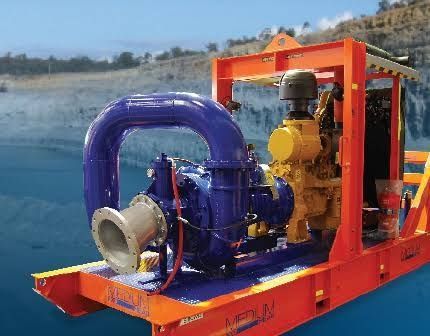
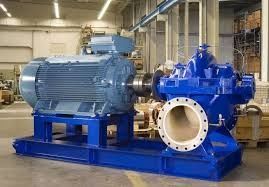
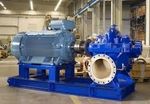
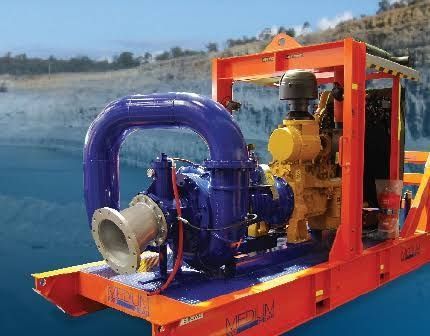
- Dewatering pumps for removing excess water from construction sites and excavations
- Belt filter press systems for separating water from sludge
- Centrifuge dewatering equipment for high-speed solid-liquid separation
- Screw press dewatering systems for continuous sludge processing
- Industrial filtration systems for wastewater treatment and material recovery
These technologies are often integrated into larger water treatment equipment and dewatering plant equipment installations.
Importance
Managing Wastewater and Sludge
One of the primary reasons dewatering matters is the increasing volume of wastewater generated by growing populations and industrial activity. Municipal wastewater treatment facilities process large quantities of water every day, producing sludge that must be treated and managed responsibly.
Sludge dewatering equipment reduces the volume of this material, making transportation and handling more practical. Lower water content can also simplify further treatment processes.
Supporting Construction Projects
Construction projects frequently encounter groundwater or surface water that can interfere with excavation and foundation work. Construction dewatering equipment helps maintain stable working conditions by removing excess water from project sites.
Common applications include:
- Foundation excavations
- Tunnel construction
- Road development
- Utility installation
- Mining operations
Without effective water removal, construction activities may experience delays and safety challenges.
Environmental Protection
Wastewater dewatering systems play an important role in environmental management. By separating solids from water, these systems help reduce pollution risks and support compliance with environmental regulations.
Many facilities use industrial filtration systems alongside dewatering processes to improve water quality before discharge or reuse.
Improving Resource Efficiency
Dewatering processes can contribute to resource conservation. Water recovered during treatment may be reused in certain industrial operations, while separated solids can sometimes be processed further for beneficial uses depending on local regulations and industry practices.
Industries That Use Dewatering Equipment
| Industry | Common Dewatering Application |
|---|---|
| Municipal Utilities | Sewage sludge processing |
| Construction | Groundwater removal |
| Mining | Mine drainage and tailings management |
| Food Processing | Wastewater treatment |
| Manufacturing | Industrial sludge treatment |
| Agriculture | Waste management and water control |
| Paper Production | Fiber recovery and sludge handling |
Recent Updates
Increased Automation
A major trend in dewatering equipment is the growing use of automation. Modern systems often include sensors, monitoring software, and automated controls that help operators track performance and adjust operating conditions.
Automation can improve consistency and reduce manual intervention in wastewater treatment processes.
Focus on Energy Efficiency
Equipment manufacturers and facility operators continue to focus on reducing energy consumption. Newer centrifuge dewatering equipment and screw press dewatering systems are often designed to achieve water separation while using less power than older technologies.
Energy management has become an important consideration for municipalities and industrial facilities alike.
Digital Monitoring Systems
Remote monitoring technologies are becoming more common in dewatering plant equipment installations. Operators can observe system performance through digital dashboards that provide information about:
- Flow rates
- Moisture content
- Equipment status
- Pump performance
- Maintenance requirements
These monitoring capabilities support proactive maintenance planning and operational oversight.
Growth of Water Reuse Initiatives
Many regions face increasing pressure on water resources. As a result, wastewater treatment facilities are exploring ways to recover and reuse treated water.
Modern water treatment equipment is increasingly integrated with dewatering technologies to support broader water management strategies.
Compact Equipment Designs
Space limitations in urban areas have encouraged the development of more compact systems. Smaller equipment footprints allow facilities to expand treatment capacity without requiring extensive site expansion.
Compact belt filter press systems and modular screw press dewatering systems are examples of this trend.
Laws or Policies
Environmental Regulations
Dewatering operations are influenced by environmental laws that govern water quality, wastewater discharge, and waste management. Regulations typically establish standards for the treatment of wastewater before it enters natural water bodies.
Facilities using industrial dewatering equipment must often monitor and document treatment performance to demonstrate compliance.
Municipal Wastewater Requirements
Municipal wastewater treatment plants operate under regulations designed to protect public health and environmental quality. These rules often establish requirements for:
- Sludge treatment
- Water discharge quality
- Monitoring procedures
- Recordkeeping practices
- Equipment maintenance
The specific requirements vary between countries and regions.
Construction Water Management Rules
Construction projects may need permits or approvals when removing groundwater or discharging water from excavation sites. Construction dewatering equipment must often operate according to environmental management plans that minimize impacts on nearby water resources.
Industrial Wastewater Standards
Industries that generate wastewater frequently face requirements related to treatment and disposal. Industrial sludge treatment processes must often meet standards regarding pollutant removal and waste handling.
These regulations encourage the use of appropriate wastewater dewatering systems and filtration technologies.
Sustainability and Resource Recovery Programs
Many governments support programs focused on water conservation and sustainable resource management. These initiatives encourage improved wastewater treatment practices and the adoption of technologies that reduce environmental impacts.
Tools and Resources
Design and Engineering Software
Engineers and facility planners use specialized software to design and evaluate dewatering systems. These tools can help estimate:
- Flow rates
- Pump capacity requirements
- Sludge production volumes
- Equipment sizing
- Treatment efficiency
Water Quality Monitoring Platforms
Digital monitoring platforms assist operators in tracking water quality indicators and system performance. These systems support ongoing management of water treatment equipment and industrial filtration systems.
Government Environmental Agencies
Environmental agencies often publish technical guidance documents, regulatory information, and operational recommendations related to wastewater treatment and dewatering activities.
Useful resources may include:
- Environmental compliance manuals
- Wastewater treatment guidelines
- Water quality standards
- Construction water management guidance
- Sludge handling recommendations
Industry Associations
Professional organizations frequently publish educational materials covering municipal wastewater treatment, industrial sludge treatment, and water management practices.
These resources may include:
- Technical reports
- Training materials
- Operational guides
- Research publications
- Equipment performance studies
Calculation and Planning Tools
Facilities often use calculators and planning tools to estimate:
- Dewatering pump capacity
- Sludge volume reduction
- Water recovery rates
- Filtration requirements
- Equipment performance indicators
These resources support informed decision-making during project planning and facility operation.
FAQs
What is dewatering equipment used for?
Dewatering equipment is used to remove water from sludge, soil, slurry, and wastewater. It helps reduce moisture content and supports wastewater treatment, construction activities, and industrial processing operations.
What are the main types of sludge dewatering equipment?
Common types of sludge dewatering equipment include belt filter press systems, centrifuge dewatering equipment, screw press dewatering systems, drying beds, and filter presses. Each method separates water from solids using different mechanical processes.
How do dewatering pumps work in construction projects?
Dewatering pumps remove groundwater and accumulated water from excavation sites, foundations, tunnels, and trenches. This helps maintain stable and safer working conditions during construction activities.
What is the role of wastewater dewatering systems in municipal wastewater treatment?
Wastewater dewatering systems reduce the water content of sludge generated during municipal wastewater treatment. This process decreases sludge volume and supports handling, transport, and further treatment activities.
How are industrial filtration systems connected to dewatering plant equipment?
Industrial filtration systems often work alongside dewatering plant equipment to separate solids from liquids and improve water quality. Together, these technologies support industrial sludge treatment and wastewater management processes.
Conclusion
Dewatering plays a significant role in modern water management, construction, and industrial operations. Various technologies, including dewatering pumps, belt filter press systems, centrifuge dewatering equipment, and screw press dewatering systems, help separate water from solids efficiently. These systems support wastewater treatment, industrial sludge treatment, and environmental protection efforts. As automation, monitoring technologies, and resource recovery initiatives continue to evolve, dewatering equipment remains an important component of modern infrastructure and water management practices.