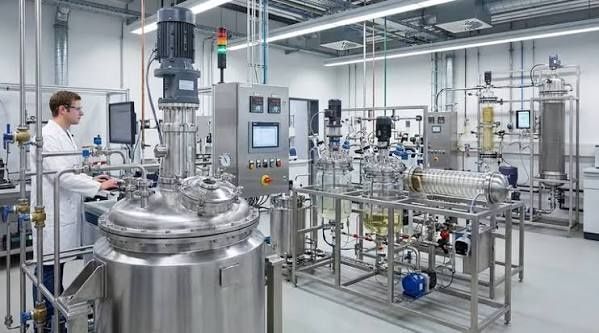
Chemical Reactor Overview: Functions, Processes, and Industry Applications
Chemical reactors are essential pieces of equipment used in many manufacturing industries to carry out controlled chemical reactions.
A chemical reactor provides the environment where raw materials can react under specific conditions such as temperature, pressure, and mixing speed. Different industries use an industrial chemical reactor to produce chemicals, polymers, pharmaceuticals, food ingredients, and many other products.
Modern chemical processing equipment includes many reactor types designed for different production needs. A chemical reactor manufacturer may produce equipment such as a batch reactor, continuous reactor, stirred tank reactor, pressure reactor, glass lined reactor, stainless steel reactor, or jacketed reactor. Understanding how these systems work helps explain their importance in industrial production and chemical engineering.
Context
Understanding Chemical Reactors
A chemical reactor is a vessel designed to safely contain and control chemical reactions. The design of a reactor depends on the type of reaction, production volume, operating pressure, and temperature requirements.
Many industries use specialized reactor systems. Examples include a laboratory reactor for research, a pilot plant reactor for process development, and an industrial reactor for large-scale manufacturing. A reactor vessel may include components such as a reactor agitator, reactor heat exchanger, sensors, and a reactor control system to maintain stable operating conditions.
Common Reactor Types
Several reactor designs are commonly used in industrial applications.
| Reactor Type | Typical Characteristics | Common Applications |
|---|---|---|
| Batch reactor | Processes one batch at a time | Specialty chemicals, pharmaceuticals |
| Continuous reactor | Continuous material flow | Large-scale chemical production |
| Stirred tank reactor | Mechanical mixing during reactions | Chemical processing, biotechnology |
| Pressure reactor | Operates under elevated pressure | Gas reactions, specialty materials |
| Glass lined reactor | Corrosion-resistant interior | Chemical and pharmaceutical processing |
| Stainless steel reactor | Durable metal construction | Food, chemical, and industrial processing |
| Jacketed reactor | External jacket controls temperature | Heating and cooling reactions |
Main Components
A typical process reactor may include:
- Reactor vessel for containing reactions
- Reactor agitator for mixing materials
- Reactor heat exchanger for temperature control
- Instrumentation for pressure and temperature monitoring
- Reactor automation systems for process control
- Safety valves and monitoring equipment
Importance
Supporting Industrial Manufacturing
Chemical reactors are a central part of chemical manufacturing equipment used in numerous industries. Controlled reactions help produce materials with consistent properties while maintaining safe operating conditions.
Industries using reactor engineering include:
- Chemical manufacturing
- Pharmaceutical production
- Biotechnology
- Food processing
- Water treatment
- Petrochemical processing
- Polymer manufacturing
Improving Process Control
Different reactor designs help manufacturers match equipment to production requirements. A mixing reactor may be suitable for blending liquids, while a polymerization reactor is designed for reactions that form plastics and synthetic materials.
A pharmaceutical reactor or biotech reactor often requires precise temperature control, mixing, and monitoring. Industrial process equipment continues to evolve with improved automation and digital monitoring systems.
Supporting Safe Operations
Many reactions generate heat or require pressure control. Equipment such as a high pressure reactor or reactor pressure vessel is designed to operate within carefully controlled limits. Reactor fabrication follows engineering standards intended to support safe industrial operation.
Recent Updates
Increased Automation
Recent developments in industrial automation for chemical plants have improved monitoring and process control. Modern reactor automation systems often include digital sensors, automated valves, and computerized control platforms that help operators monitor production in real time.
Digital Process Monitoring
Chemical processing systems increasingly use digital technologies to collect operational data. These systems assist with process optimization, equipment monitoring, and maintenance planning while reducing manual observation.
Focus on Energy Efficiency
Industrial reactor design has gradually shifted toward improving energy efficiency. Jacketed reactor systems, advanced reactor heat exchanger designs, and improved insulation help reduce unnecessary energy consumption during production.
Growth of Modular Plants
Many industries are adopting modular process equipment that can be expanded as production requirements change. Process plant engineering now often incorporates modular reactor systems that simplify installation and future expansion.
Expanded Use of Pilot Facilities
Pilot plant reactor systems continue to play an important role in developing new manufacturing processes before full-scale industrial implementation. They allow engineers to evaluate reaction conditions on a smaller scale before larger production begins.
Laws or Policies
Engineering Standards
Industrial reactors are generally designed according to recognized engineering codes and pressure vessel standards. These standards help establish requirements for reactor fabrication, testing, inspection, and safe operation.
Environmental Regulations
Chemical manufacturing facilities typically follow environmental regulations related to emissions, waste handling, and water management. Compliance requirements vary between countries and regions.
Workplace Safety
Industrial facilities handling hazardous materials usually follow occupational safety regulations covering equipment inspection, emergency planning, operator training, and maintenance procedures.
Process Documentation
Many industries maintain detailed documentation covering reactor installation, reactor maintenance, operating procedures, inspection records, and equipment modifications. Documentation supports consistent plant operation and regulatory compliance.
Tools and Resources
Several technical resources assist engineers, researchers, and students working with reactor systems.
Useful resources include:
- Chemical engineering simulation software
- Reactor design calculators
- Pressure vessel design standards
- Process flow diagram templates
- Material compatibility databases
- Process safety guidance documents
- Engineering reference handbooks
- Industrial automation software platforms
- Equipment maintenance management systems
- Technical publications related to chemical engineering equipment
Organizations involved in process plant engineering and EPC contractor chemical plant projects also use computer-aided design software for reactor layout, piping design, and process modeling.
FAQs
What is a chemical reactor?
A chemical reactor is equipment designed to carry out controlled chemical reactions under specific operating conditions such as temperature, pressure, and mixing. Different industries use reactors for manufacturing chemicals, pharmaceuticals, polymers, and many other materials.
What is the difference between a batch reactor and a continuous reactor?
A batch reactor processes one production batch at a time before being emptied. A continuous reactor allows materials to enter and leave continuously, making it suitable for ongoing large-scale industrial production.
Why are glass lined reactors and stainless steel reactors used?
A glass lined reactor provides corrosion resistance for certain chemical processes, while a stainless steel reactor provides strength, durability, and compatibility with many industrial applications. The selection depends on the materials being processed and operating conditions.
What is reactor automation?
Reactor automation uses sensors, controllers, software, and monitoring equipment to regulate temperature, pressure, mixing, and other operating conditions. Automated reactor control systems help maintain consistent production and improve process monitoring.
What industries use industrial chemical reactors?
Industrial chemical reactors are used in chemical manufacturing, pharmaceutical production, biotechnology, food processing, petrochemical facilities, specialty materials manufacturing, water treatment, and many other industrial sectors.
Conclusion
Chemical reactors are fundamental components of modern industrial production and chemical processing equipment. Different reactor designs support a wide variety of manufacturing processes, from laboratory research to large-scale production. Advances in reactor engineering, automation, and process monitoring continue to improve operational efficiency and process control. Understanding reactor functions and applications provides useful insight into how many everyday materials are manufactured safely and consistently.