Industrial Water Pump Information: Essential Guide for Understanding Pump Systems
An industrial water pump is a mechanical device designed to move water from one location to another in industrial, commercial, agricultural, and municipal environments.
These pumps play an important role in transporting water for manufacturing, cooling systems, water treatment facilities, irrigation, and building operations. Unlike small residential pumps, industrial pump systems are built to handle larger volumes of water and operate continuously under demanding conditions.
The development of water pumping technology has evolved over centuries. Early pumping systems relied on manual operation, while modern systems use electric motors, advanced controls, and automated monitoring technologies. Today, industrial water pump manufacturers produce a wide variety of pumps designed for different operating environments and water movement requirements.
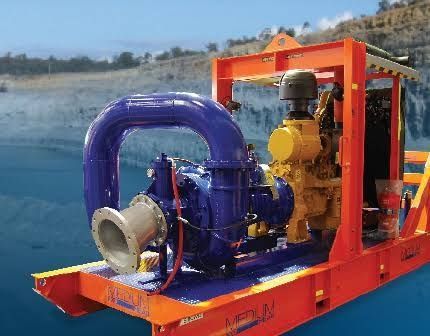
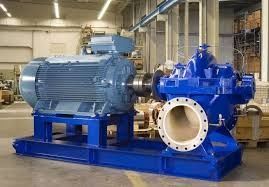
Industrial pumps are commonly categorized according to their operating principles. Centrifugal water pumps use rotating impellers to move water, while positive displacement pumps transfer fixed amounts of fluid through mechanical action. Water transfer pumps, high pressure water pumps, and industrial booster pumps are examples of specialized equipment used in various industries.
Many industries depend on reliable water movement, including manufacturing plants, food processing facilities, power generation stations, wastewater treatment facilities, and commercial buildings. As infrastructure continues to expand, the demand for efficient water movement systems remains significant.
Common Types of Industrial Water Pumps
Several pump types are commonly used across industries:
- Centrifugal water pumps – Designed to move large volumes of water efficiently.
- Water transfer pumps – Used for transporting water between tanks, facilities, or treatment systems.
- High pressure water pumps – Suitable for applications requiring strong water pressure.
- Industrial booster pumps – Increase water pressure within pipelines and building systems.
- Water treatment pumps – Used in filtration, purification, and wastewater processing facilities.
- Submersible pumps – Operate while fully submerged in water.
- Positive displacement pumps – Move fluids at a constant flow rate regardless of pressure changes.
Basic Components of Industrial Pump Systems
Most industrial pump systems contain several key components:
| Component | Purpose |
|---|---|
| Pump Housing | Contains and directs fluid movement |
| Impeller | Generates flow through rotation |
| Motor | Provides mechanical power |
| Shaft | Transfers power from motor to impeller |
| Valves | Control fluid direction and flow |
| Control System | Monitors and regulates operation |
| Piping Network | Transports water throughout the system |
Importance
Industrial water pumps affect many aspects of modern life, even though most people rarely see them in operation. Water distribution networks, commercial buildings, industrial facilities, and public infrastructure rely on pumps to maintain consistent water flow and pressure.
Supporting Essential Infrastructure
Cities and towns depend on water transfer pumps and industrial booster pumps to distribute clean water to homes, schools, hospitals, and businesses. Without these systems, maintaining stable water pressure across large geographic areas would be difficult.
Industrial Production and Manufacturing
Manufacturing facilities use water for cooling, cleaning, processing, and equipment operation. Heavy duty water pumps help maintain continuous production processes by moving water efficiently throughout industrial facilities.
Water Treatment and Environmental Protection
Water treatment pumps are important components of drinking water facilities and wastewater treatment plants. They help move water through filtration, purification, and treatment stages before it is distributed or safely returned to the environment.
Energy and Resource Efficiency
Modern industrial pump manufacturers focus on improving energy efficiency because pumps often operate for extended periods. Efficient systems can help reduce electricity consumption while maintaining required performance levels.
Commercial Building Operations
Commercial water pumps are widely used in office buildings, shopping centers, hotels, and healthcare facilities. These pumps help maintain water supply, heating systems, cooling systems, and fire protection infrastructure.
Recent Updates
Recent developments in industrial pumping technology have focused on efficiency, automation, sustainability, and digital monitoring.
Smart Monitoring Technologies
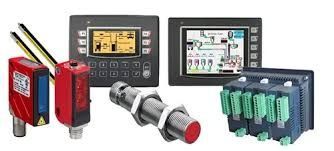
Many modern industrial pump systems now include sensors and remote monitoring capabilities. These technologies allow operators to track performance indicators such as flow rate, pressure, vibration, and energy consumption.
Predictive maintenance tools are becoming more common. By analyzing operational data, facility managers can identify potential equipment issues before significant failures occur.
Improved Energy Efficiency
Manufacturers continue developing motors and pump designs that consume less energy while maintaining operational performance. Variable frequency drives (VFDs) are increasingly integrated into pump systems to adjust motor speed based on actual demand.
This approach can reduce unnecessary energy usage during periods of lower water demand.
Integration with Industrial Automation
Industrial facilities increasingly connect pumps to centralized control systems. This integration enables automated operation, improved monitoring, and more efficient management of water resources throughout a facility.
Sustainability and Water Management
Water conservation remains an important focus across many industries. New pump designs often emphasize reduced leakage, improved efficiency, and optimized water distribution to support sustainability objectives.
Materials and Durability Improvements
Advancements in corrosion-resistant materials help extend pump lifespan in challenging environments. Stainless steel alloys, specialized coatings, and composite materials are commonly used in applications involving chemicals, wastewater, or abrasive particles.
Laws or Policies
Industrial water pumps operate within regulatory frameworks that vary by country and region. These regulations typically focus on safety, environmental protection, energy efficiency, and water resource management.
Energy Efficiency Standards
Many governments have introduced efficiency requirements for electric motors and pumping equipment. These standards encourage the use of energy-efficient technologies and help reduce overall electricity consumption.
Organizations often evaluate pump performance against recognized efficiency benchmarks when designing or upgrading facilities.
Water Management Regulations
Water extraction, distribution, and wastewater treatment activities are often governed by environmental regulations. Facilities using industrial pump systems may need to comply with requirements related to water usage, discharge quality, and environmental protection.
Workplace Safety Requirements
Industrial facilities commonly follow safety regulations covering equipment installation, maintenance, and operation. These requirements may address electrical safety, pressure management, noise exposure, and emergency procedures.
Environmental Compliance
Industries handling wastewater or process water typically operate under environmental permits and monitoring programs. Water treatment pumps and related equipment often form part of compliance efforts aimed at protecting natural water resources.
Product Certification Standards
Industrial water pump manufacturers frequently design equipment according to international standards that address performance, safety, and testing procedures. Common standards may involve motor efficiency, pressure ratings, and material specifications.
Tools and Resources
Various tools and resources can help individuals, facility managers, engineers, and researchers better understand industrial water pumps and related technologies.
Pump Selection Software
Many manufacturers provide software that helps users estimate flow requirements, pressure needs, and pump sizing considerations. These tools support system planning and evaluation.
Hydraulic Calculators
Hydraulic calculators assist in estimating:
- Flow rates
- Pressure losses
- Pipe sizing
- Pump head requirements
- Energy consumption
Industry Standards Organizations
Several organizations publish technical guidance and standards related to pumping systems. These resources provide educational information regarding design, efficiency, testing, and operational practices.
Water Management Platforms
Digital monitoring platforms can track water usage, pressure levels, and equipment performance. These systems are increasingly used in large industrial and commercial facilities.
Educational Resources
Common educational resources include:
- Technical manuals
- Engineering handbooks
- Industry publications
- Research databases
- Training courses
- Equipment documentation
Industrial Pump Distributors and Information Sources
Industrial pump distributors often provide technical specifications, installation guidance, and product documentation. These resources can help users understand differences among pump types and operating characteristics.
FAQs
What is an industrial water pump?
An industrial water pump is a device designed to move water within industrial, commercial, municipal, or agricultural systems. It can transport water, increase pressure, or support treatment processes depending on the application.
How do centrifugal water pumps work?
Centrifugal water pumps use a rotating impeller to create velocity and pressure. As water enters the pump, the impeller accelerates the fluid and directs it through the discharge outlet.
What are heavy duty water pumps used for?
Heavy duty water pumps are commonly used in manufacturing facilities, construction sites, mining operations, water treatment plants, and large-scale infrastructure projects where continuous operation is required.
What is the difference between commercial water pumps and industrial water pumps?
Commercial water pumps are typically used in buildings such as offices, hotels, and retail facilities. Industrial water pumps are generally designed for larger-scale operations, higher capacities, and more demanding operating environments.
Why are industrial booster pumps important?
Industrial booster pumps help increase water pressure within pipelines and distribution systems. They are commonly used in high-rise buildings, industrial facilities, and municipal water networks where additional pressure is needed.
Conclusion
Industrial water pumps are essential components of modern infrastructure, supporting water movement in industrial facilities, commercial buildings, and public utilities. Various pump types, including centrifugal water pumps, water transfer pumps, and industrial booster pumps, serve different operational needs. Recent developments emphasize energy efficiency, digital monitoring, and sustainable water management practices. Understanding how industrial pump systems function helps explain their role in maintaining reliable water distribution and treatment processes across many sectors.