Industrial Automation Components Guide: Understanding Modern Factory Control Systems
Industrial automation components play an important role in modern manufacturing.
by helping machines and production processes operate with greater consistency and accuracy. Today, many industries rely on industrial automation systems to improve production, monitor equipment, and manage repetitive tasks with less manual intervention. These technologies combine industrial control systems, industrial automation equipment, and software to create organized production environments.
Automation has developed over many decades as factories adopted electrical controls, programmable devices, and digital communication technologies. Modern factory automation components now include industrial sensors and controls, automation control panels, motion control systems, industrial robotics components, and industrial electrical components working together as a connected network.
Context
Understanding Industrial Automation Components
Industrial automation components are the individual parts that work together to control machines and manufacturing processes. Instead of relying entirely on manual operation, automated systems collect information, make programmed decisions, and control equipment through electronic devices.
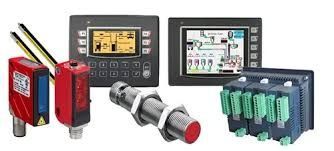
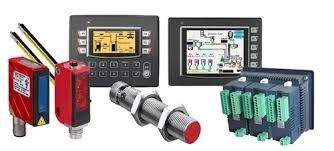
Common industrial automation equipment includes:
- Sensors that detect temperature, pressure, position, and movement
- Programmable controllers that process input signals
- Automation control panels that organize electrical connections
- Motion control systems that coordinate motors and mechanical movement
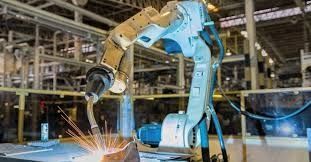
- Industrial robotics components that perform repetitive manufacturing tasks
- Communication devices that connect machines across a production facility
Together, these components create industrial automation systems capable of monitoring production while reducing unnecessary interruptions.
Main Components and Their Functions
| Component | Primary Function |
|---|---|
| Industrial Sensors | Detect physical conditions and send data |
| Controllers | Process information and control equipment |
| Automation Control Panels | House electrical and control devices |
| Motion Control Systems | Coordinate motor speed and movement |
| Industrial Robotics Components | Perform repetitive production activities |
| Communication Networks | Exchange information between machines |
Importance
Why Automation Matters Today
Manufacturing industries continue to face increasing expectations for product quality, workplace safety, and production consistency. Industrial control systems help organizations monitor equipment more accurately while reducing the chance of manual operating errors.
Factory automation components also support maintenance planning by identifying equipment conditions before major failures occur. This allows facilities to schedule inspections and equipment replacement more effectively.
Everyday Benefits
Although industrial automation operates inside factories, its impact extends beyond manufacturing. Consumers may experience:
- More consistent product quality
- Improved production efficiency
- Better equipment monitoring
- Reduced material waste
- Enhanced workplace safety through automated handling of repetitive or hazardous processes
Automation system integration also allows different machines to communicate, helping production lines operate in a coordinated manner.
Recent Updates
Current Trends in Industrial Automation
Recent developments continue to focus on smarter and more connected industrial automation systems rather than completely replacing existing equipment.
Some notable trends include:
- Increased use of Industrial Internet of Things (IIoT) devices for real-time monitoring
- Artificial intelligence assisting predictive maintenance and equipment analysis
- Digital twin technology for testing production changes virtually
- Improved cybersecurity measures protecting industrial control systems
- Greater integration between cloud platforms and factory automation components
Many manufacturers are also combining industrial sensors and controls with advanced data analysis tools to better understand equipment performance and production efficiency.
Industrial robotics components continue evolving with improved precision, while motion control systems increasingly support flexible production environments capable of adapting to changing manufacturing requirements.
Laws or Policies
Regulations That Influence Industrial Automation
Industrial automation equipment operates within national and international safety and technical standards. Although specific requirements differ by country, manufacturers commonly follow regulations related to electrical safety, machine operation, and workplace protection.
Examples of common regulatory areas include:
- Electrical installation standards
- Machine safety requirements
- Workplace health and safety regulations
- Electromagnetic compatibility standards
- Cybersecurity guidance for connected industrial systems
Organizations responsible for automation system integration typically ensure equipment complies with applicable technical standards before operation begins.
Tools and Resources
Helpful Resources for Learning
Several resources help people understand industrial automation components and related technologies.
Useful resources include:
- PLC programming simulation software
- Electrical circuit design applications
- Industrial automation training platforms
- Motion control configuration software
- Robot simulation programs
- Industrial communication protocol documentation
- Government workplace safety websites
- International standards organizations publishing technical guidelines
Many equipment manufacturers also publish technical manuals, wiring diagrams, and configuration guides that explain industrial electrical components and automation control panels.
FAQs
What are industrial automation components?
Industrial automation components are the individual devices used to operate and monitor manufacturing equipment. They include sensors, controllers, motors, communication devices, industrial robotics components, and automation control panels.
How do industrial automation systems improve factory operations?
Industrial automation systems collect information from machines, process that information, and automatically control equipment. This improves consistency, equipment monitoring, and production coordination.
What is the purpose of industrial sensors and controls?
Industrial sensors and controls measure conditions such as temperature, pressure, speed, and position. The collected information helps industrial control systems make programmed decisions during manufacturing.
What are motion control systems used for?
Motion control systems regulate the movement of motors and mechanical equipment. They help machines achieve accurate positioning, speed control, and synchronized operation during production.
What is automation system integration?
Automation system integration connects different industrial automation equipment, software, and communication networks so they function together as one coordinated production system.
Conclusion
Industrial automation components form the foundation of modern manufacturing by connecting machines, sensors, controllers, and communication systems into organized production environments. Industrial automation systems continue evolving through improved connectivity, smarter monitoring, and enhanced data analysis. Factory automation components, industrial electrical components, and industrial robotics components each contribute to safer and more consistent manufacturing processes. Understanding these technologies provides a useful overview of how modern factories operate and adapt to changing production needs.