Injection Molding Machines Guide: Understanding Modern Plastic Manufacturing Systems
Plastic products are part of everyday life, from food containers and medical items to automotive parts and household appliances.
Many of these products are created using injection molding machines, which shape melted plastic into precise forms with the help of specially designed molds. Modern plastic manufacturing systems combine mechanical engineering, automation, and digital monitoring to produce consistent parts in large quantities.
This guide explains how a plastic injection molding machine works, the different types of injection molding equipment, recent developments in manufacturing technology, relevant regulations, and practical resources that help people understand this widely used industrial process.
Context
What Are Injection Molding Machines?
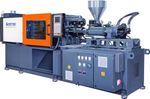
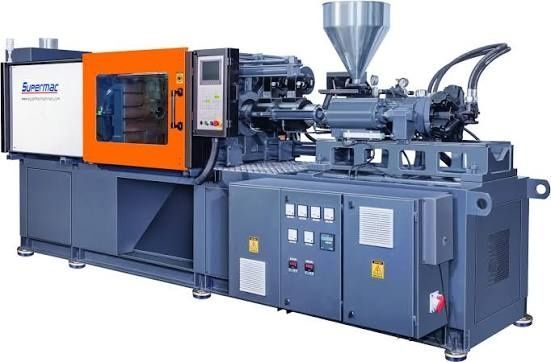
Injection molding machines are industrial systems that manufacture plastic components by heating plastic material until it melts and then injecting it into a mold under pressure. After the material cools and hardens, the finished part is removed, and the process begins again.
The development of plastic molding machinery began many decades ago as industries searched for efficient ways to produce identical plastic parts. Over time, mechanical improvements, computerized controls, and automation transformed simple machines into advanced production systems capable of producing complex products with high consistency.
Today, injection molding production systems are used in many industries, including:
- Automotive manufacturing
- Medical device production
- Consumer electronics
- Packaging
- Household products
- Construction materials
- Agricultural equipment
Main Components of an Injection Molding System
A typical plastic injection molding machine contains several important parts that work together.
| Component | Purpose |
|---|---|
| Hopper | Stores raw plastic material |
| Heating barrel | Melts the plastic |
| Injection screw | Moves and injects molten plastic |
| Mold | Forms the desired product shape |
| Clamping unit | Holds the mold tightly closed |
| Cooling system | Helps solidify the plastic |
| Control system | Manages machine settings and production cycles |
Each component plays an important role in maintaining consistent production quality.
Types of Injection Molding Machines
Different manufacturing requirements have resulted in several machine designs.
Hydraulic injection molding machine
Hydraulic systems generate clamping and injection force using hydraulic pressure. These machines are commonly used for large molded parts that require significant clamping force.
Electric injection molding machine
An electric injection molding machine replaces many hydraulic functions with electric motors. This design allows precise movement, accurate positioning, and reduced energy consumption during many production processes.
Hybrid machines
Hybrid designs combine hydraulic and electric technologies, balancing power with precision depending on production requirements.
Automatic Manufacturing Systems
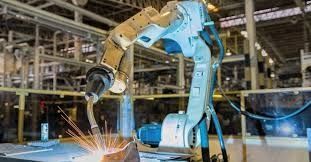
An automatic injection molding machine integrates programmable controls with robotic handling equipment. These systems may automatically remove finished parts, inspect products, and prepare molds for the next production cycle with limited manual intervention.
Automation helps improve consistency while reducing repetitive manual tasks.
Importance
Why Plastic Manufacturing Systems Matter
Modern manufacturing depends heavily on plastic products because they can be lightweight, durable, and suitable for many different applications. Injection molding equipment allows manufacturers to produce these products efficiently while maintaining consistent dimensions.
Many everyday products would be difficult to manufacture in large quantities without this process.
Precision Manufacturing
Precision injection molding focuses on producing components with extremely accurate dimensions and repeatable quality. This approach is important for products where even small measurement differences can affect performance.
Examples include:
- Medical components
- Electronic connectors
- Laboratory equipment
- Automotive sensors
- Industrial control components
Precision manufacturing depends on carefully controlled temperatures, pressures, cooling times, and mold design.
Different Production Requirements
Manufacturers select equipment based on production goals rather than using one machine for every application.
Common considerations include:
- Product size
- Material characteristics
- Required production volume
- Mold complexity
- Energy efficiency
- Product accuracy
- Automation requirements
Because manufacturing needs vary widely, several machine designs continue to exist alongside one another.
High-Speed Manufacturing
A high speed injection molding machine is designed to complete production cycles more quickly while maintaining product consistency. These machines are commonly used when large numbers of identical products are produced continuously.
High-speed production requires careful synchronization between injection, cooling, mold opening, and part removal to maintain reliable operation.
Smart Manufacturing
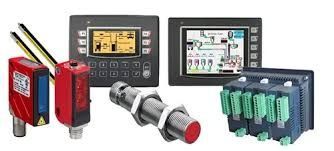
Smart molding technology combines sensors, digital controls, and production monitoring to help manufacturers understand machine performance in real time.
Typical capabilities include:
- Continuous equipment monitoring
- Automated process adjustments
- Production data recording
- Quality tracking
- Predictive maintenance planning
- Energy consumption monitoring
These digital tools help manufacturers identify process variations earlier and improve production consistency.
The Role of Injection Molding Machine Manufacturers
Injection molding machine manufacturers continue developing new technologies that improve efficiency, automation, and process control. Their research supports advancements in machine design, software integration, and production monitoring across many industrial sectors.
Recent Updates
Growth of Smart Manufacturing
Recent developments have focused on connecting injection molding production systems with digital manufacturing platforms. Machine data can now be collected, analyzed, and displayed through centralized production dashboards.
Manufacturers increasingly use connected systems to monitor productivity and identify process improvements.
Expansion of Electric Machines
The use of the electric injection molding machine continues to expand across industries requiring precise motion control and consistent production quality. Improvements in motor technology and computerized controls have increased machine performance for many applications.
Improved Automation
Modern automatic injection molding machine systems increasingly include robotic part handling, automated quality inspection, and integrated material handling equipment. These features help maintain stable production across long manufacturing runs.
Data-Driven Production
Manufacturers increasingly analyze production information collected from sensors throughout the molding process. Data analysis supports process optimization, equipment maintenance planning, and production consistency without changing the basic principles of plastic molding.
Material Developments
Plastic materials continue evolving to meet changing industrial requirements. New formulations may improve durability, reduce weight, or increase recycled material content while remaining compatible with modern injection molding equipment.
Laws or Policies
Product Safety Standards
Plastic products manufactured using injection molding machines may need to comply with product safety requirements depending on their intended application. Different industries have their own technical standards for product quality, labeling, and performance.
Environmental Regulations
Many countries have environmental regulations related to industrial emissions, waste management, recycling, and responsible handling of manufacturing materials. Plastic manufacturers generally follow these regulations as part of normal industrial operations.
Workplace Safety
Industrial facilities operating plastic molding machinery generally follow workplace safety rules covering machine guarding, operator training, emergency procedures, electrical safety, and equipment maintenance.
These regulations help reduce workplace risks during manufacturing activities.
Energy Efficiency Programs
Some governments encourage manufacturers to improve industrial energy efficiency through national programs, technical guidance, or voluntary initiatives. Modern machinery often incorporates technologies that support more efficient operation while maintaining production quality.
Tools and Resources
Several resources help people understand injection molding technology and manufacturing systems.
Design Software
Computer-aided design software allows engineers to create digital product models before mold development begins.
Examples of common design tools include:
- CAD software
- 3D modeling platforms
- Mold design applications
Simulation Software
Simulation programs estimate how molten plastic flows through a mold before physical production begins. These tools help identify potential manufacturing challenges during product development.
Production Monitoring Platforms
Digital monitoring platforms collect information from industrial injection molding machines and display production performance, equipment status, and machine efficiency.
Technical Standards
Engineering organizations publish technical standards that explain manufacturing terminology, testing methods, and quality practices used throughout the plastics industry.
Educational Resources
Many universities, engineering institutions, manufacturing associations, and technical publications provide educational material explaining plastic manufacturing processes, mold design principles, automation, and smart molding technology.
FAQs
What are injection molding machines used for?
Injection molding machines manufacture plastic products by injecting molten plastic into specially designed molds. They are commonly used for packaging, automotive components, household products, electronics, and medical equipment.
How does a plastic injection molding machine work?
A plastic injection molding machine melts plastic material inside a heated barrel. The molten plastic is injected into a mold under pressure, allowed to cool, and then removed as a finished part before the production cycle repeats.
What is the difference between an electric injection molding machine and a hydraulic injection molding machine?
An electric injection molding machine primarily uses electric motors for movement and control, while a hydraulic injection molding machine uses hydraulic pressure for many operating functions. Each design has characteristics suited to different manufacturing applications.
What is precision injection molding?
Precision injection molding is a manufacturing process focused on producing plastic components with highly accurate dimensions and consistent quality. It is commonly used for products requiring close dimensional control.
What is smart molding technology?
Smart molding technology combines sensors, automation, digital monitoring, and production data analysis to improve manufacturing visibility and process control throughout injection molding production systems.
Conclusion
Injection molding machines remain one of the most important technologies used in modern plastic manufacturing. Advances in automation, digital monitoring, precision engineering, and production control continue to improve how plastic components are manufactured across many industries. Understanding the different machine types, production methods, and regulatory considerations provides a clearer picture of how modern plastic manufacturing systems operate. As manufacturing technology continues to evolve, connected equipment and data-driven production are becoming increasingly common features of industrial operations.