Food Processing Equipment Overview: Essential Information for Modern Manufacturing Systems
Food processing equipment plays a central role in modern food manufacturing.
These machines and systems are designed to transform raw agricultural products and ingredients into food products that can be prepared, packaged, transported, and stored more efficiently. From small-scale operations to large manufacturing facilities, food processing machinery supports many stages of production.
The history of food processing equipment developed alongside advancements in agriculture, industrialization, and food safety practices. Early food preparation relied heavily on manual labor, but increasing demand for packaged and processed foods encouraged the development of mechanical and automated solutions. Today, commercial food processing equipment is used across industries such as dairy, meat, bakery, beverage, seafood, fruits, vegetables, and packaged foods.
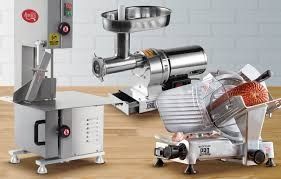
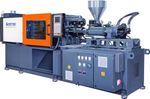
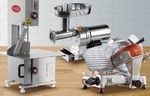
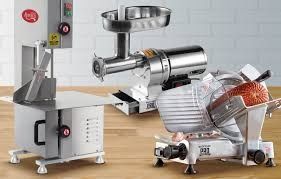
Food manufacturing equipment includes a wide range of machines designed for different tasks. Examples include mixers, grinders, slicers, conveyors, ovens, cooling systems, filling machines, and food packaging and processing equipment. Together, these components help create organized production workflows.
Industrial food processing machines are commonly integrated into larger automated food processing systems. These systems allow multiple production stages to operate in a coordinated manner, helping manufacturers maintain consistency while meeting production requirements.
Main Categories of Food Processing Equipment
Food processing equipment can generally be grouped into several categories:
- Preparation equipment for washing, sorting, peeling, and cutting ingredients.
- Processing equipment for mixing, grinding, cooking, heating, cooling, and drying.
- Packaging equipment for filling, sealing, labeling, and wrapping products.
- Transportation equipment such as conveyors and material-handling systems.
- Inspection equipment for quality control and product verification.
Typical Production Flow
A food processing line machinery setup often follows a structured sequence:
| Production Stage | Common Equipment Used |
|---|---|
| Raw Material Handling | Conveyors, storage bins, washing systems |
| Preparation | Peelers, cutters, slicers, grinders |
| Processing | Mixers, blenders, cookers, ovens |
| Cooling and Preservation | Chillers, freezers, cooling tunnels |
| Packaging | Filling machines, sealers, labeling systems |
| Inspection and Storage | Metal detectors, inspection systems, warehouses |
This structured approach helps food production equipment function efficiently throughout the manufacturing process.
Importance
Food processing equipment affects many aspects of daily life because processed and packaged foods are widely consumed around the world. These systems help transform raw ingredients into products that are easier to store, distribute, and prepare.
Supporting Food Safety
One important function of food processing plant equipment is maintaining hygiene during production. Modern equipment is often designed with materials and surfaces that can be cleaned effectively. This helps reduce contamination risks and supports food safety programs.
Manufacturers frequently use automated controls to monitor temperatures, processing conditions, and sanitation procedures. These controls contribute to more consistent food handling practices.
Improving Production Consistency
Food products are expected to maintain similar characteristics from one production batch to another. Food processing machinery helps achieve consistency in texture, appearance, weight, and packaging.
For example, automated mixers can process ingredients using predefined settings, while filling systems can help maintain uniform package volumes.
Addressing Growing Food Demand
Global population growth and changing consumer preferences have increased demand for packaged and prepared foods. Automated food processing systems allow manufacturers to process larger quantities while maintaining quality standards.
Food production equipment also supports the production of specialized products such as plant-based foods, functional beverages, and convenience meals.
Supporting Supply Chains
Food packaging and processing equipment plays a role in extending shelf life and protecting products during transportation. Proper packaging can reduce spoilage and support distribution across local, regional, and international markets.
As a result, food processing equipment manufacturers continue to develop machinery that supports changing production and distribution requirements.
Recent Updates
The food processing sector has experienced several developments between 2024 and 2026, largely influenced by automation, sustainability goals, and digital technologies.
Increased Automation
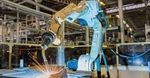
One noticeable trend is the wider adoption of automated food processing systems. Manufacturers are incorporating robotics, sensors, and digital monitoring tools into production environments.
These technologies can assist with repetitive tasks such as sorting, packaging, and inspection while providing production data for operational analysis.
Smart Manufacturing Technologies
Industrial food processing machines increasingly include connected monitoring features. Sensors can collect information related to temperature, pressure, moisture levels, and machine performance.
This data can help operators identify maintenance requirements and monitor production conditions more effectively.
Sustainability Initiatives
Environmental considerations continue to influence equipment design. Many food processing equipment manufacturers are focusing on machinery that reduces water consumption, energy use, and material waste.
Examples include:
- Energy-efficient heating systems.
- Water recycling technologies.
- Packaging systems designed to minimize material usage.
- Improved waste management solutions.
Flexible Production Systems
Consumer demand for diverse food products has encouraged the development of flexible food processing line machinery. Equipment can often be adjusted to accommodate different product types, package sizes, or recipes with fewer production interruptions.
Enhanced Food Safety Monitoring
Digital inspection technologies are becoming more common in food manufacturing equipment. Machine vision systems, automated inspection tools, and traceability software help manufacturers monitor product quality and compliance requirements.
Laws or Policies
Food processing equipment is influenced by regulations designed to protect public health and ensure food safety. Requirements vary by country, but many regulatory principles are similar across regions.
Food Safety Regulations
Governments generally require food manufacturers to follow safety standards that address sanitation, contamination prevention, and quality control.
In India, food production facilities operate under regulations administered by the Food Safety and Standards Authority of India. These regulations establish requirements related to food handling, hygiene, manufacturing practices, and product safety.
Equipment Material Standards
Food contact surfaces must often meet specific requirements regarding cleanliness and material suitability. Stainless steel is commonly used because it is durable and easier to sanitize.
Equipment manufacturers typically design machinery to align with recognized food-grade material standards.
Worker Safety Requirements
Food processing plant equipment must also comply with workplace safety regulations. Protective guards, emergency stop systems, and safety training programs help reduce workplace hazards.
Environmental Regulations
Many countries have introduced environmental requirements that affect industrial food processing machines. These may address:
- Wastewater management.
- Energy consumption.
- Emissions control.
- Waste disposal practices.
Compliance with these regulations often influences equipment design and operational procedures.
Tools and Resources
Various tools and resources help organizations understand, manage, and maintain food processing operations.
Industry Organizations
Industry associations provide technical guidance, research publications, and educational materials related to food manufacturing equipment and processing technologies.
Examples include:
- Institute of Food Technologists
- Food and Agriculture Organization
- Codex Alimentarius Commission
Digital Monitoring Platforms
Many modern automated food processing systems include software platforms that track:
- Production output.
- Equipment utilization.
- Maintenance schedules.
- Quality control records.
- Energy consumption.
Maintenance Management Tools
Computerized maintenance management systems help track inspections, repairs, spare parts, and equipment performance over time.
Training Resources
Educational institutions, technical training centers, and industry organizations provide learning materials related to food processing machinery, sanitation procedures, and production management.
Equipment Supply Networks
Food processing equipment distributors often provide access to machinery catalogs, technical specifications, and documentation that help manufacturers compare equipment characteristics for various applications.
FAQs
What is food processing equipment?
Food processing equipment refers to machines and systems used to prepare, process, package, inspect, and transport food products during manufacturing. Examples include mixers, grinders, ovens, conveyors, and packaging machines.
What is the difference between food processing machinery and food packaging and processing equipment?
Food processing machinery focuses on preparing and transforming food products through activities such as mixing, cooking, or cutting. Food packaging and processing equipment includes both processing machines and packaging systems used to fill, seal, and label products.
How do automated food processing systems work?
Automated food processing systems integrate multiple machines using sensors, software, and control systems. These technologies allow production stages to operate in a coordinated manner with reduced manual intervention.
What types of industrial food processing machines are commonly used?
Common industrial food processing machines include mixers, blenders, slicers, grinders, ovens, chillers, conveyors, filling machines, and inspection systems. The equipment used depends on the type of food being produced.
What role do food processing equipment manufacturers and food processing equipment distributors play?
Food processing equipment manufacturers design and produce machinery used in food production. Food processing equipment distributors help make equipment available across different markets and industries while providing technical documentation and product information.
Conclusion
Food processing equipment forms the foundation of modern food manufacturing by supporting preparation, processing, packaging, and quality control activities. Advances in automation, digital monitoring, and sustainability continue to influence the development of food processing machinery and food manufacturing equipment. Regulatory requirements help guide equipment design and operational practices to support food safety and workplace standards. As production methods evolve, food processing plant equipment and automated food processing systems remain important components of global food supply chains.