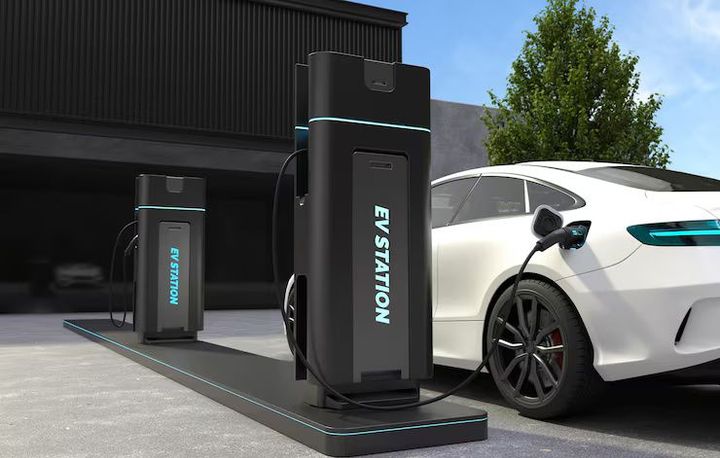
Electric vehicle (EV) charging equipment exists because EVs require an external power supply to recharge their batteries. Unlike traditional vehicles that rely on fuel stations, EVs depend on systems connected to the electrical grid. These systems convert electricity into a form suitable for battery storage.
Charging equipment includes multiple components that work together to ensure safe and efficient energy transfer. These systems are installed in homes, commercial areas, highways, and public transport hubs to support growing EV adoption.
Key Components of EV Charging Equipment
EV charging systems typically consist of several essential parts:
-
Charging connector or cable
-
Power conversion system
-
Charging control unit
-
Communication interface between vehicle and charger
-
Safety monitoring mechanisms
These components ensure compatibility, efficiency, and safety during the charging process.
Types of EV Charging Levels
Electric vehicle charging equipment is categorized into three main levels based on speed and power capacity.
| Charging Type | Voltage Range | Typical Charging Speed | Common Location |
|---|
| Level 1 Charging | 120V | Slow | Residential charging |
| Level 2 Charging | 240V | Moderate | Homes, offices, public parking |
| DC Fast Charging | 400V–900V | Rapid | Highways, public stations |
These charging levels provide flexibility for different use cases, from overnight home charging to rapid highway charging.
Why Electric Vehicle Charging Equipment Matters Today
Electric vehicle charging equipment plays a vital role in modern transportation systems. Governments, automakers, and energy providers are investing heavily in charging infrastructure to support cleaner mobility.
The importance of this infrastructure is closely linked to environmental and practical considerations. As EV adoption grows, reliable charging systems become essential for everyday transportation.
Key Reasons for Its Importance
Several factors highlight why EV charging equipment is critical today:
-
Reduction of carbon emissions from transportation
-
Support for increasing EV adoption
-
Integration with renewable energy systems
-
Development of smart grid technologies
-
Improvement in urban transportation planning
Charging infrastructure also helps reduce range anxiety, which refers to concerns about running out of battery before reaching a charging point.
Impact of Charging Infrastructure on EV Adoption
| Infrastructure Availability | Impact on EV Adoption |
|---|
| Limited charging points | Slower adoption |
| Moderate charging network | Steady growth |
| Extensive charging network | Rapid adoption |
This relationship shows how infrastructure availability directly influences EV growth worldwide.
Recent Developments in EV Charging Technology
Recent years have seen rapid advancements in EV charging technology. In 2025, global infrastructure expansion accelerated significantly, with increased deployment of high-power charging systems.
These innovations aim to improve charging speed, efficiency, and accessibility across different regions.
Key Technological Advancements
Notable developments include:
-
High-power chargers exceeding 350 kW
-
Solar-powered charging stations
-
Integration with energy storage systems
-
Wireless (inductive) charging technology
-
AI-based smart charging systems
Wireless charging systems are being tested in pilot programs, allowing vehicles to charge while parked or moving slowly.
Infrastructure Milestones in 2025
Several major developments were reported globally:
-
Expansion of ultra-fast charging networks
-
Deployment of smart grid-connected stations
-
Development of interoperable charging standards
-
Increased renewable energy integration
These trends reflect a strong global focus on scalable EV infrastructure.
Regulations and Government Programs
EV charging equipment is regulated through policies designed to ensure safety, compatibility, and efficiency. Governments worldwide are introducing frameworks to support infrastructure development.
These regulations help create a standardized and reliable environment for EV users and manufacturers.
Common Regulatory Areas
Typical regulatory frameworks include:
-
Electrical safety standards
-
Certification requirements for equipment
-
Grid connection rules
-
Environmental policies supporting clean transport
Major Government Initiatives
Several programs promote EV charging infrastructure globally:
-
India’s FAME (Faster Adoption and Manufacturing of Electric Vehicles) program
-
European Union’s AFIR (Alternative Fuels Infrastructure Regulation)
-
U.S. federal EV infrastructure funding programs
These initiatives encourage widespread deployment of charging networks.
Helpful Tools and Digital Resources
Various digital tools help users understand and manage EV charging infrastructure. These tools support planning, monitoring, and efficient energy usage.
They are useful for both individual EV owners and organizations managing charging networks.
Common EV Charging Tools
-
EV charging station locator apps
-
Route planning software
-
Charging network databases
-
Energy consumption calculators
-
Smart charging management platforms
These tools improve convenience and help optimize charging efficiency.
Comparison of Charging Methods
| Charging Method | Charging Speed | Typical Use Case |
|---|
| Level 1 Charging | Slow | Overnight residential charging |
| Level 2 Charging | Moderate | Daily commuting |
| DC Fast Charging | Very Fast | Long-distance travel |
| Wireless Charging | Emerging | Experimental use |
Smart charging platforms also help balance electricity demand and reduce strain on power grids.
Frequently Asked Questions
What is electric vehicle charging equipment?
Electric vehicle charging equipment refers to systems that supply electricity to recharge EV batteries. These include chargers, cables, and communication systems.
How long does it take to charge an EV?
Charging time depends on the charger type and battery size. Level 1 charging takes longer, while DC fast charging significantly reduces charging time.
What is the difference between Level 2 and DC fast charging?
Level 2 charging uses AC power at moderate speeds, while DC fast charging delivers high-power DC electricity for rapid charging.
Can EV charging use renewable energy?
Yes, EV charging systems can integrate with renewable energy sources such as solar and wind power.
Why are charging standards important?
Charging standards ensure compatibility between vehicles and charging stations across regions.
Conclusion
Electric vehicle charging equipment is a foundational element of the transition to electric mobility. It enables EV adoption by providing reliable and accessible charging infrastructure.
Ongoing advancements in charging technology, smart systems, and renewable integration are improving efficiency and scalability. At the same time, government policies continue to support infrastructure development.
As EV adoption increases globally, understanding charging equipment becomes essential for drivers, planners, and policymakers. Future innovations are expected to further strengthen sustainable transportation systems.