Electric Vehicle Charging Station Equipment Guide for Easy Understanding
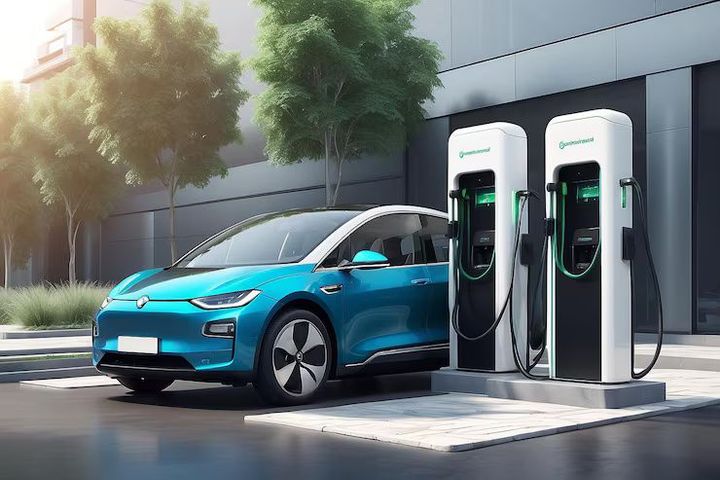
Electric vehicle (EV) charging station equipment refers to the hardware and systems used to recharge electric vehicles. This includes charging units, connectors, cables, power modules, and software interfaces that manage energy flow. As transportation shifts toward cleaner energy, EV charging infrastructure has become an essential part of modern mobility.
EV charging equipment is designed to deliver electricity safely and efficiently from the grid to a vehicle’s battery. It comes in various types, including AC chargers for homes and workplaces, and DC fast chargers for highways and public stations. These systems ensure compatibility with different EV models and charging standards.
The main purpose of this equipment is to support the growing number of electric vehicles by providing reliable and accessible charging options. It also helps reduce dependence on fossil fuels and lowers emissions in urban and rural areas.
Importance of EV Charging Station Equipment
EV charging station equipment is crucial for enabling widespread EV adoption. Without accessible charging infrastructure, the usage of electric vehicles would remain limited.
Key Benefits
- Supports clean transportation: Reduces greenhouse gas emissions and air pollution
- Encourages EV adoption: Availability of charging points boosts consumer confidence
- Improves energy efficiency: Advanced systems optimize electricity usage
- Benefits multiple sectors: Useful in residential, commercial, and public infrastructure
- Reduces fuel dependency: Promotes renewable and grid-based electricity
EV charging equipment addresses challenges such as range anxiety, charging speed, and accessibility, making it a key factor in today’s sustainable energy transition.
Insights and Trends in EV Charging Equipment
Recent developments focus on speed, efficiency, and smart technology integration.
Notable Trends
- Ultra-fast DC chargers (2024–2025): Charge vehicles in under 30 minutes
- Smart charging systems: Integrate with mobile apps and IoT for monitoring and scheduling
- Bidirectional charging: Allows vehicles to supply power back to homes or grids
- Wireless charging research: Advancements in inductive charging technology
- Expansion of public networks: More stations installed along highways and in urban areas
These updates highlight the growing demand for faster, more convenient, and energy-efficient charging solutions.
Policies and Regulations
EV charging equipment is shaped by government policies and regulations to ensure safety, standardization, and widespread adoption.
Key Policies in India
- FAME II Scheme: Supports EV adoption and charging infrastructure
- Bureau of Indian Standards (BIS): Defines technical and safety standards
- State-level EV policies: Provide guidelines for installation and operation
- Grid regulations: Ensure safe integration with power networks
- Urban planning rules: Encourage charging points in residential and commercial buildings
These regulations create a structured environment that promotes innovation while maintaining safety and reliability.
Tools and Resources for EV Charging Equipment
Various tools and resources help users, planners, and businesses interact with EV charging systems effectively.
Useful Tools
- Charging station locator apps: PlugShare, ChargePoint, Tata Power EZ Charge
- Energy consumption calculators: Estimate charging time and electricity usage
- EV charging management software: Tracks usage, performance, and supports remote monitoring
- Government portals: Updates on policies, infrastructure, and installation guidelines
- Technical standards documents: IEC and BIS standards for safety and compatibility
EV Charging Equipment Basics
Understanding the core components of EV charging equipment helps with proper use and planning.
Components Overview
| Component | Description |
|---|---|
| Charging Unit | Main device that delivers electricity |
| Connector | Interface between charger and vehicle |
| Cable | Transfers power safely |
| Power Module | Converts and regulates electricity |
| Control System | Manages charging process and communication |
Charging Levels
| Charging Level | Power Type | Typical Use Case |
|---|---|---|
| Level 1 | AC | Home charging |
| Level 2 | AC | Residential and public charging |
| DC Fast | DC | Highways and rapid charging |
These basics provide a foundation for understanding how charging systems operate and where they are applied.
FAQs
What is EV charging station equipment?
It includes all hardware and systems used to recharge electric vehicles, such as chargers, connectors, and control systems.
How many types of EV chargers are there?
There are three main types: Level 1, Level 2, and DC fast chargers, each offering different charging speeds.
How long does it take to charge an EV?
Charging time depends on the charger type and battery capacity, ranging from a few hours to under 30 minutes.
Is EV charging equipment safe?
Yes, it is designed according to safety standards to prevent electrical hazards and ensure reliable operation.
Can EV charging stations use renewable energy?
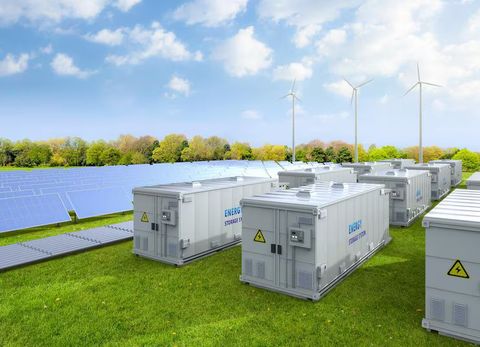
Yes, they can be integrated with solar or wind energy systems for sustainable charging.
Conclusion
EV charging station equipment is fundamental to the shift toward sustainable transportation. It enables efficient energy transfer, supports EV adoption, and reduces environmental impact.
Continuous technological advancements and supportive government policies are making charging infrastructure more accessible and efficient. Understanding its components, trends, and regulations helps individuals and organizations navigate the evolving mobility landscape.
As the world transitions to cleaner energy solutions, EV charging equipment will remain a critical element in shaping the future of transportation.