Electric Vehicle Motor Assembly Equipment Guide for Industry Knowledge and Trends
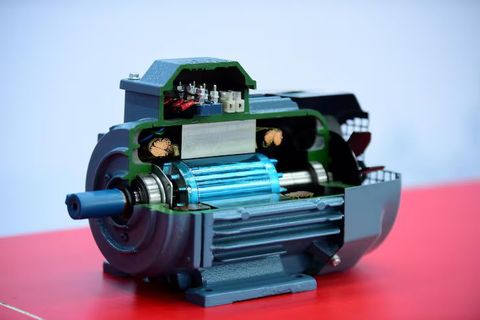
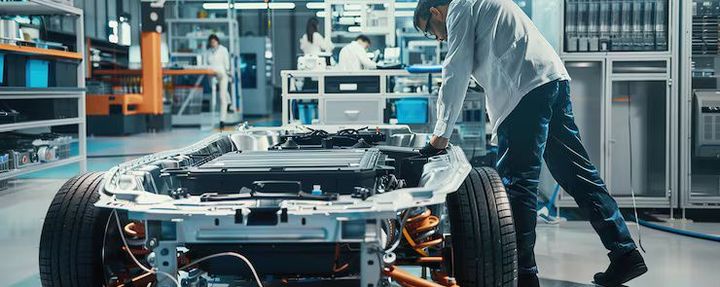
Electric Vehicle (EV) motor assembly equipment refers to specialized machinery and systems used to manufacture and assemble electric motors for electric vehicles. These motors are the core components that convert electrical energy into mechanical motion, enabling EVs to operate efficiently.
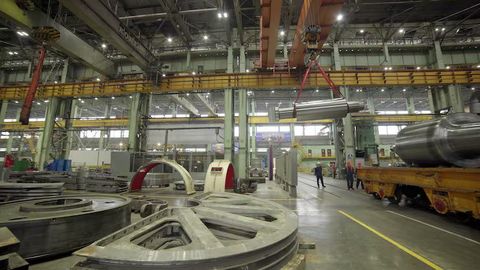
With the global shift toward sustainable transportation, EV motor production has grown rapidly. Manufacturers rely on advanced automation, precision engineering, and quality control systems to meet increasing demand.
Key equipment includes winding machines, rotor assembly systems, stator production lines, and testing units designed for high accuracy and consistency. The need for scalable, efficient, and reliable motor production has made this equipment essential in modern manufacturing ecosystems.
Importance of EV Motor Assembly Equipment
EV motor assembly equipment enables efficient, large-scale production of electric vehicles. Its significance has grown as governments, industries, and consumers transition toward cleaner energy solutions.
Key Reasons for Its Importance
- Supports mass production of EV motors with precision
- Enhances energy efficiency and motor performance
- Reduces manufacturing errors and operational downtime
- Enables automation and digital monitoring in factories
- Contributes to sustainable transportation goals
Stakeholders Affected
- Automotive manufacturers
- Industrial engineers and technicians
- Supply chain and logistics sectors
- Environmental and sustainability initiatives
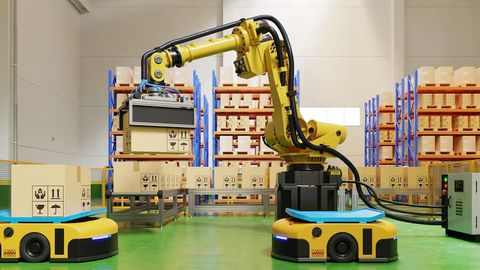
This equipment addresses major challenges such as inconsistent motor quality, slow production speeds, and high operational inefficiencies. Automation and robotics ensure consistent output while maintaining strict quality standards.
Electric Vehicle Manufacturing Trends and Updates
The EV motor assembly sector has seen several technological advancements in recent years. As of 2025, manufacturers focus on automation, artificial intelligence, and digital integration to improve efficiency and performance.
Recent Updates
- Smart Manufacturing Systems (2024–2025): IoT sensors and AI-based monitoring for predictive maintenance
- High-Speed Winding Technology (2024): Advanced stator winding machines to improve efficiency and reduce energy loss
- Modular Assembly Lines (2025): Flexible systems adaptable to different motor designs
- Digital Twin Technology (2024): Virtual simulations of assembly processes to optimize production
- Sustainability Focus (2025): Use of eco-friendly materials and energy-efficient equipment
These trends demonstrate a shift toward Industry 4.0 practices, where data analytics and automation play central roles in manufacturing.
EV Manufacturing Policies and Regulations
EV motor assembly and manufacturing are shaped by government policies and standards to ensure safety, environmental protection, and consistency.
Key Policies in India
- FAME Scheme (Faster Adoption and Manufacturing of Electric Vehicles): Promotes EV production and infrastructure
- PLI Scheme (Production Linked Incentive): Supports domestic manufacturing of advanced automotive components
- Bureau of Indian Standards (BIS): Sets quality and safety standards for electrical equipment
- Environmental Regulations: Encourage sustainable and low-emission manufacturing
Internationally, ISO certifications and IEC guidelines ensure global compatibility and safety. These policies foster innovation while maintaining regulatory compliance.
EV Motor Assembly Tools and Resources
A variety of tools support efficient motor assembly and manufacturing. These resources help engineers and manufacturers enhance productivity and accuracy.
Common Tools
- CAD Software (Computer-Aided Design): Designs motor components
- CAM Systems (Computer-Aided Manufacturing): Automates production processes
- Simulation Software: Enables virtual testing of motor designs
- PLC Systems (Programmable Logic Controllers): Controls automated machinery
- Quality Inspection Tools: Includes laser measurement and testing equipment
Helpful Resources
- Industry research reports on EV manufacturing
- Online engineering platforms and training modules
- Government portals for EV policies and incentives
- Technical documentation and standards guidelines
Key Equipment Comparison
| Equipment Type | Function | Key Benefit |
|---|---|---|
| Stator Winding Machine | Winds copper coils | High precision and speed |
| Rotor Assembly System | Assembles rotor components | Consistent performance |
| Testing Equipment | Evaluates motor efficiency | Quality assurance |
| Automated Conveyors | Transfers components | Improved workflow |
| Laser Welding Machines | Joins metal parts | Strong and accurate bonding |
FAQs
What is EV motor assembly equipment used for?
It is used to manufacture and assemble electric motors that power electric vehicles, ensuring precision and efficiency.
Why is automation important in EV motor assembly?
Automation improves production speed, reduces errors, and ensures consistent quality in motor manufacturing.
What are the main components of EV motor assembly systems?
Key components include winding machines, rotor assembly units, testing systems, and control software.
How do regulations affect EV motor manufacturing?
Regulations ensure safety, quality, and environmental compliance, guiding manufacturers to follow standardized practices.
What skills are needed to work with this equipment?
Knowledge of mechanical engineering, electrical systems, automation, and software tools is essential.
Conclusion
Electric vehicle motor assembly equipment is critical in the shift toward sustainable transportation. Rising EV demand increases the need for efficient, precise, and scalable manufacturing solutions.
Advancements in automation, smart manufacturing, and digital technologies are shaping the industry. Meanwhile, government policies and international standards provide a supportive framework for growth and innovation.
Understanding EV motor assembly helps individuals and organizations stay informed about manufacturing trends and the evolving EV ecosystem. This equipment will remain a key driver of efficiency and sustainability in the automotive sector.