Electronic Components Guide for Understanding Essential Parts and Their Functions
Modern technology depends on electronic systems that power communication devices, industrial equipment, medical instruments, transportation technologies, and countless everyday products.
Behind every electronic device is a collection of carefully designed components working together to control electrical signals, process information, and perform specific functions.
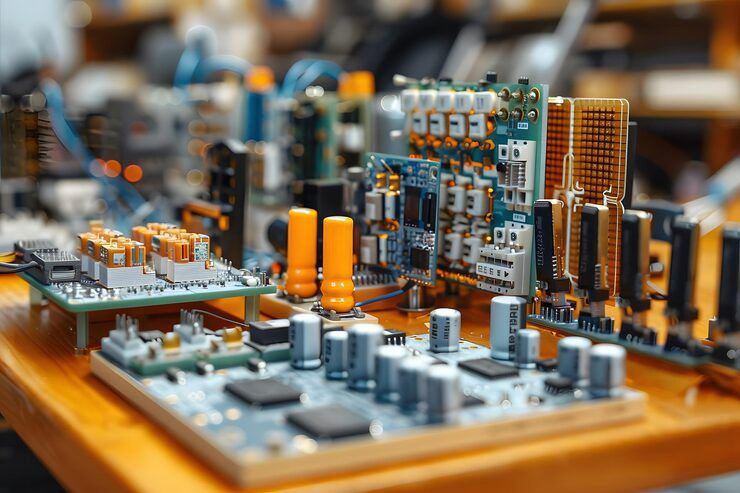
From simple household electronics to advanced computing systems, electronic components form the foundation of modern innovation. While many people interact with electronic devices daily, understanding the individual parts that make these systems work provides valuable insight into how technology operates.
What really matters is not simply knowing the names of electronic components. Understanding their functions and how they interact within a circuit helps explain why electronic systems can perform complex tasks with speed, accuracy, and reliability.
This guide explores the basics of electronic components, explains their functions, highlights common categories, and examines their role in modern electronic systems.
Understanding Electronic Components
Electronic components are individual parts used within electrical and electronic circuits to control, direct, store, or modify electrical energy and signals.
Each component is designed to perform a specific function. Some regulate electrical current, others store energy, while certain components process signals or control the operation of more complex systems.
This matters because electronic devices rely on the coordinated interaction of multiple components to function correctly.
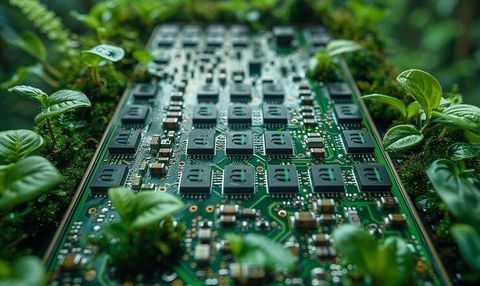
A practical example is a smartphone where hundreds of electronic components work together to support communication, processing, power management, and display functions.
Why Electronic Components Are Important
Electronic systems would not function without properly designed and integrated components.
These parts allow engineers to create circuits capable of performing specific tasks while maintaining efficiency, accuracy, and reliability. Even highly advanced devices depend on basic electronic components operating correctly.
The real difference appears when individual components are combined into systems capable of processing information, controlling machinery, or supporting digital communication.
A real-world example is an industrial automation system where electronic components continuously monitor conditions and control equipment operations.
How Electronic Components Work Together
Electronic circuits are built by connecting components in ways that achieve specific operational objectives.
Power-related components help manage electrical energy. Signal-processing components control information flow. Switching devices determine how circuits operate under different conditions.
This coordinated interaction matters because each component contributes to overall system functionality.
A practical example is a computer motherboard where numerous components exchange electrical signals to support processing, memory operations, and communication functions.
Main Categories of Electronic Components
Electronic components can be grouped into several broad categories based on their functions.
Passive Components
Passive components do not amplify signals or require additional control mechanisms. They primarily manage electrical energy within a circuit.
Active Components
Active components can control electrical signals and often require an external power source to operate effectively.
Electromechanical Components
These components combine electrical and mechanical functions to support switching, control, or movement.
Semiconductor Components
Semiconductors play a major role in modern electronics by supporting signal processing, switching, and computing functions.
Each category contributes to different aspects of circuit operation and system performance.
Essential Electronic Components and Their Functions
Several components are commonly found in electronic systems of all sizes.
Resistors
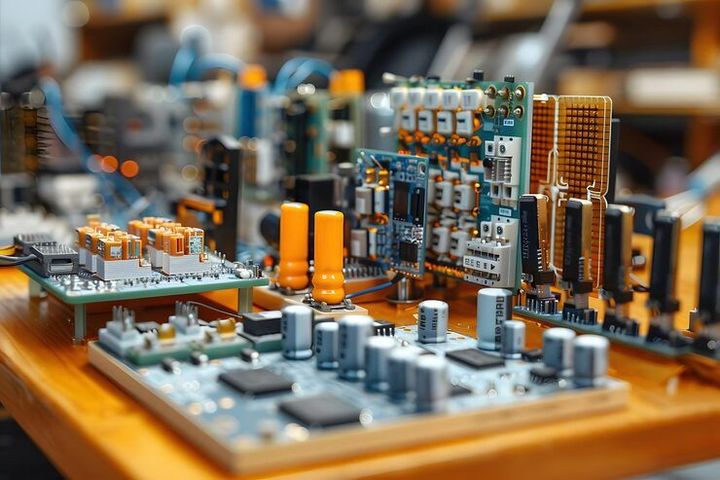
Resistors control the flow of electrical current within a circuit. They help protect sensitive components and support stable circuit operation.
Capacitors
Capacitors store and release electrical energy when required. They are frequently used for filtering, timing, and power stabilization purposes.
Inductors
Inductors store energy within magnetic fields and are often used in power management and signal processing applications.
Diodes
Diodes control the direction of current flow and help protect circuits from unwanted electrical conditions.
Transistors
Transistors act as switches or amplifiers and are among the most important components in modern electronics.
These components form the building blocks of countless electronic devices.
The Role of Semiconductors in Modern Electronics
Semiconductor technology has transformed the electronics industry.
Semiconductors provide the foundation for integrated circuits, processors, memory devices, and advanced electronic systems. Their ability to control electrical signals with high precision has enabled the development of modern computing and communication technologies.
This matters because nearly every advanced electronic device depends on semiconductor-based components.
A practical example is a laptop computer where processors and memory chips perform billions of operations using semiconductor technology.
The real difference appears when semiconductor components enable complex functionality within compact and efficient electronic systems.
Electronic Components in Everyday Applications
Electronic components are present in nearly every aspect of modern life.
Consumer electronics use components to support communication, entertainment, and information processing.
Automotive systems rely on electronic circuits for monitoring, control, and safety functions.
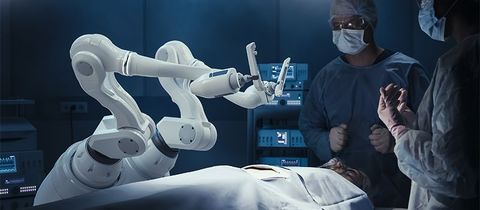
Medical devices depend on electronic components for measurement, diagnostics, and operational reliability.
Industrial equipment utilizes electronic systems to support automation and process control.
These applications demonstrate the widespread importance of electronic components across different industries.
Common Challenges in Electronic Design
Designing reliable electronic systems involves several considerations.
Component compatibility must be evaluated to ensure proper interaction within a circuit.
Power management is important because different components may require specific operating conditions.
Heat generation can also affect performance, particularly in systems with high processing requirements.
A real-world example is an industrial control system where component selection influences long-term reliability and operational stability.
Understanding these factors helps explain why component design and integration are critical aspects of electronics engineering.
Comparing Common Electronic Components
| Component | Primary Function | Common Application |
|---|---|---|
| Resistor | Control Current | Circuit Protection |
| Capacitor | Store Energy | Power Stabilization |
| Inductor | Manage Magnetic Energy | Signal Processing |
| Diode | Direct Current Flow | Circuit Protection |
| Transistor | Switching and Amplification | Signal Control |
The real difference appears when these components work together to create functional electronic systems.
Decision Guide for Understanding Electronic Components
Learning about electronic components often begins with understanding their role within a circuit.
Component function should be the first consideration because each device performs a specific task within the overall system.
Circuit requirements are also important since different applications require different combinations of components.
Performance expectations may influence component selection when designing or analyzing electronic systems.
A practical example is comparing a simple lighting circuit with a computer processor system. Both use electronic components, but their complexity and operational requirements differ significantly.
In many cases, the real difference appears when individual component functions are viewed as part of a complete electronic system.
Future Trends in Electronic Components
The electronics industry continues evolving through advances in miniaturization, processing power, and energy efficiency.
Semiconductor technologies are becoming increasingly sophisticated, supporting more powerful and compact devices.
Artificial intelligence hardware is creating demand for specialized processing components capable of handling complex computational workloads.
Energy-efficient designs are becoming more important as electronic systems expand into new applications.
Advanced materials research is also contributing to the development of next-generation electronic technologies.
What really matters is how these innovations continue improving performance while enabling new possibilities for electronic systems and devices.
FAQ
1. What are electronic components?
Electronic components are individual parts used within electronic circuits to control, process, store, or manage electrical energy and signals.
2. Why are electronic components important?
They form the building blocks of electronic systems and enable devices to perform specific functions.
3. What are the most common electronic components?
Resistors, capacitors, inductors, diodes, and transistors are among the most widely used electronic components.
4. What is the difference between passive and active components?
Passive components manage electrical energy, while active components can control or amplify electrical signals.
5. How are electronic components used in everyday devices?
They support communication, computing, automation, transportation, healthcare technologies, and many consumer products.
Conclusion
Electronic components are the foundation of modern technology, enabling electronic systems to process information, manage power, control signals, and perform countless specialized functions. From simple circuits to advanced computing systems, these essential parts work together to support the devices and technologies used every day.
As electronics continue evolving through advances in semiconductor technology, artificial intelligence, and energy-efficient design, electronic components will remain central to innovation. Understanding their functions provides valuable insight into how modern electronic systems operate and how future technologies may continue to develop.