Explore IoT Sensor Networks Guide for Smart Connectivity and Data Insights
IoT Sensor Networks refer to interconnected systems of sensors that collect, transmit, and analyze data through the Internet of Things (IoT). These networks are designed to monitor physical or environmental conditions such as temperature, humidity, pressure, motion, and light. The collected data is sent to centralized systems or cloud platforms for processing and decision-making.
The concept exists to bridge the gap between the physical and digital worlds. By enabling devices to communicate and share data in real time, IoT sensor networks support automation, efficiency, and improved monitoring across multiple domains.
These networks are commonly used in industries such as agriculture, healthcare, smart cities, manufacturing, and environmental monitoring.
Core Components
- Sensors: Capture real-world data
- Connectivity Modules: Transmit information
- Data Processing Systems: Analyze and interpret data
This integration allows organizations and individuals to gain actionable insights and respond quickly to changing conditions.
Importance – Why IoT Sensor Networks Matter Today
IoT sensor networks are critical due to the growing need for real-time data and automation. They benefit a wide range of users, from businesses and governments to everyday consumers.
Key Advantages
- Data-Driven Decision-Making: Real-time insights enable faster, more accurate decisions
- Operational Efficiency: Automation reduces manual intervention and improves productivity
- Resource Optimization: Monitoring systems help reduce waste and improve usage
- Safety and Security: Sensors detect anomalies to prevent accidents or risks
Industry Applications
| Industry | Key Application |
|---|---|
| Agriculture | Soil monitoring, irrigation control |
| Healthcare | Patient monitoring, wearable devices |
| Smart Cities | Traffic management, air quality tracking |
| Manufacturing | Predictive maintenance, automation |
| Energy | Smart grids, energy consumption tracking |
The growing adoption of smart devices makes IoT sensor networks a foundational technology in digital transformation.
Recent Updates – Trends and Developments (2024–2026)
IoT sensor networks are rapidly evolving due to emerging technologies and increased adoption.
Key Trends
- Edge Computing Growth (2025): Data processed closer to the source, reducing latency
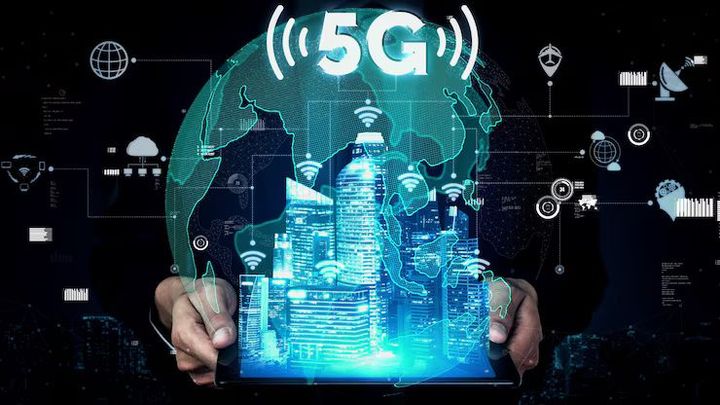
- 5G Integration (2024–2025): Faster connectivity for real-time sensor communication
- AI Integration (2025): Predictive insights and automation through artificial intelligence
- Low-Power Wide-Area Networks (LPWAN): Long-range, energy-efficient communication via LoRaWAN or NB-IoT
- Security Enhancements (2025–2026): Stronger cybersecurity measures to protect sensitive data
Trend Comparison
| Trend | Impact Level | Key Benefit |
|---|---|---|
| Edge Computing | High | Faster data processing |
| AI Integration | High | Predictive analytics |
| 5G Connectivity | Medium | Improved speed & reliability |
| LPWAN Technologies | Medium | Energy-efficient networking |
| Security Protocols | High | Data protection |
These updates highlight how IoT sensor networks are becoming more efficient, secure, and scalable.
Laws and Policies – Regulations and Governance
IoT sensor networks must comply with laws and policies, especially regarding data privacy, security, and infrastructure.
Key Regulations in India
- Digital India Initiative: Promotes adoption of digital technologies, including IoT
- Data Protection Regulations (2023 onward): Ensure responsible collection, storage, and usage of data
- Telecom Regulatory Authority Guidelines: Govern communication standards and spectrum usage
- Smart Cities Mission: Encourages IoT-based infrastructure for urban development
Compliance Considerations
- Secure data transmission
- Protection of user privacy
- Device certification standards
- Adherence to network and communication regulations
Organizations must align with these frameworks for safe and compliant IoT operations.
Tools and Resources – Platforms and Technologies
A variety of tools support the development and management of IoT sensor networks.
Common Platforms
- IoT Platforms: AWS IoT Core, Microsoft Azure IoT Hub, Google Cloud IoT
- Sensor Hardware Platforms: Arduino, Raspberry Pi, ESP32 modules
- Data Visualization Tools: Grafana, Tableau, Power BI
- Connectivity Technologies: Wi-Fi, BLE, LoRaWAN, NB-IoT
- Protocol Standards: MQTT, CoAP, HTTP/HTTPS
These tools enable data collection, visualization, and system integration for IoT deployments.
FAQs
What is the main purpose of IoT sensor networks?
To collect real-time data from physical environments and enable automated or data-driven decision-making.
How do IoT sensors communicate?
Through protocols like MQTT, HTTP, or CoAP over Wi-Fi, cellular networks, or LPWAN.
Are IoT sensor networks secure?
Security depends on implementation; encryption, authentication, and secure protocols are commonly used.
Which industries use them most?
Healthcare, agriculture, manufacturing, and smart cities rely heavily on these networks.
What challenges exist?
Data security, scalability, power consumption, and interoperability are the main challenges.
Conclusion
IoT sensor networks are crucial for connecting the physical and digital worlds. By enabling real-time data collection and intelligent decision-making, they improve efficiency, safety, and automation across industries.
Advances in AI, edge computing, 5G, and LPWAN technologies are making these networks more powerful and accessible. At the same time, regulatory frameworks and security protocols ensure responsible usage.
Understanding trends, tools, and applications provides a solid foundation for exploring the potential of IoT sensor networks. As technology evolves, they will remain central to modern digital ecosystems.