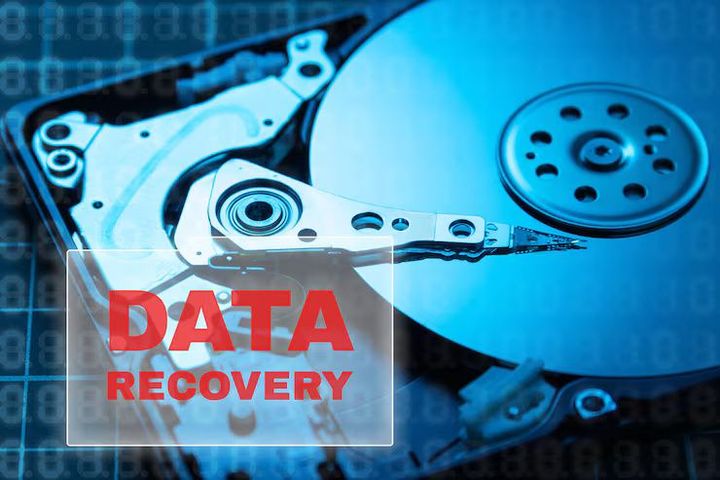
Learn About Data Recovery Methods and Their Role in Recovering Important Information
Digital information has become one of the most valuable assets for individuals, organizations, and institutions.
Business records, financial documents, research files, multimedia content, and operational databases are stored across various digital devices and systems. While modern storage technologies offer convenience and efficiency, data loss remains a challenge that can occur due to accidental deletion, hardware failures, software issues, cyber incidents, or system corruption.
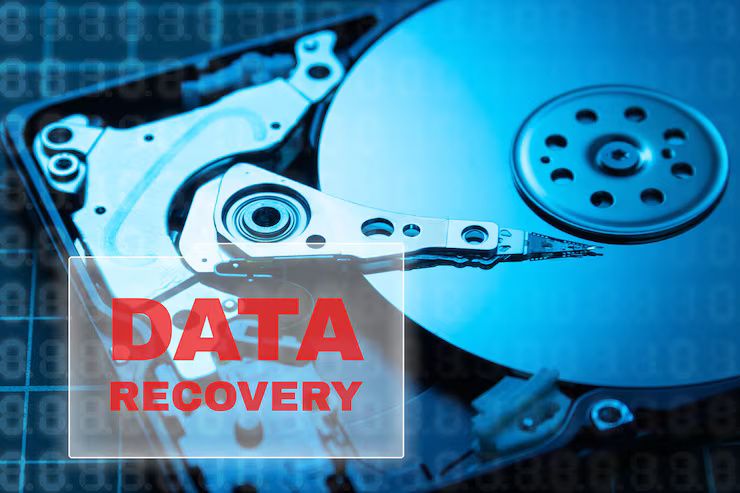
When important information becomes inaccessible, data recovery methods help restore access to files and digital records that might otherwise be lost. As technology continues to evolve, recovery techniques have become increasingly sophisticated, supporting a wide range of storage devices and data environments.
What really matters is not simply recovering lost files. The ability to understand recovery options, storage risks, and information protection strategies often determines how effectively data can be restored when unexpected issues arise.
This guide explores the fundamentals of data recovery, explains common recovery methods, highlights key challenges, and examines the growing role of information recovery in today's digital world.
Understanding Data Recovery
Data recovery is the process of retrieving inaccessible, lost, damaged, or deleted information from digital storage systems.
The goal is to restore access to data that can no longer be accessed through normal operating procedures. Recovery processes may involve software-based techniques, hardware analysis, or specialized recovery technologies depending on the nature of the problem.
This matters because data loss can affect personal information, business operations, research projects, and critical organizational records.
A practical example is a user accidentally deleting important documents and later recovering them through specialized recovery processes before the storage space is overwritten.
Why Data Recovery Is Important
Digital information supports nearly every aspect of modern life and business operations.
Organizations rely on data for decision-making, communication, customer management, and operational planning. Individuals depend on digital storage for personal documents, photos, educational materials, and financial records.
The real difference appears when unexpected events make important information inaccessible and recovery methods become the primary path to restoring access.
A real-world example is a business recovering operational records after a storage system failure to maintain continuity and minimize disruptions.
Common Causes of Data Loss
Understanding how data loss occurs helps explain why recovery methods are necessary.
Accidental deletion remains one of the most common causes, particularly when files are removed unintentionally.
Hardware failures can occur when storage devices experience physical or electronic issues that affect data accessibility.
Software corruption may damage file structures or operating systems, making stored information difficult to access.
Cybersecurity incidents can also result in data becoming unavailable or compromised.
Common causes of data loss include:
- Accidental file deletion
- Hardware failures
- Software corruption
- Cybersecurity incidents
Each situation presents unique recovery challenges and requirements.
How Data Recovery Works
The recovery process varies depending on the type of data loss and the storage environment involved.
In many cases, deleted files are not immediately removed from storage media. Instead, the space occupied by those files becomes available for future use. Recovery tools attempt to locate and reconstruct information before it is overwritten.
For damaged storage systems, recovery methods may involve analyzing file structures, rebuilding storage indexes, or extracting accessible information from affected devices.
This matters because successful recovery often depends on the condition of the storage media and the nature of the data loss event.
A practical example is recovering documents from a storage device that remains physically functional but contains corrupted file structures.
Types of Data Recovery Methods
Different situations require different recovery approaches.
Logical Data Recovery
Logical recovery focuses on software-related issues such as deleted files, formatting errors, or file system corruption.
Physical Data Recovery
Physical recovery addresses storage devices that have experienced hardware damage or mechanical failures.
Database Recovery
Database recovery involves restoring structured information used by business applications and operational systems.
Backup-Based Recovery
This approach restores information from previously created backup copies when original data becomes inaccessible.
Each method addresses specific recovery challenges and storage conditions.
The Relationship Between Data Recovery and Data Protection
Data recovery and data protection are closely connected.
Data protection focuses on preventing information loss through strategies such as backups, redundancy, monitoring, and security controls. Recovery processes provide a secondary layer of protection when preventive measures are insufficient.
This matters because even well-managed systems can experience unexpected failures or disruptions.
A real-world example is an organization maintaining backup systems while also having recovery procedures available for situations where direct restoration may not be possible.
The real difference appears when businesses combine preventive strategies with effective recovery planning.
Common Challenges in Data Recovery
Although recovery technologies have advanced significantly, several challenges remain.
Storage device damage can limit access to underlying information and complicate recovery efforts.
Data overwriting may reduce recovery opportunities because new information can replace previously deleted files.
Encryption and complex storage architectures can introduce additional technical considerations during recovery processes.
A practical example is a storage device that experiences both hardware damage and file corruption, requiring multiple recovery techniques.
Understanding these challenges helps establish realistic expectations regarding recovery outcomes.
Comparing Recovery Approaches
| Recovery Method | Primary Focus | Typical Scenario |
|---|---|---|
| Logical Recovery | Software Issues | Deleted Files |
| Physical Recovery | Hardware Problems | Damaged Storage Devices |
| Database Recovery | Structured Data | Database Corruption |
| Backup Recovery | Restored Copies | Backup-Based Restoration |
The real difference appears when recovery strategies are selected based on the specific nature of the data loss event.
Decision Guide for Recovery Planning
Choosing an appropriate recovery approach depends on several practical factors.
The cause of data loss is often the most important consideration because different issues require different recovery techniques.
Storage device condition should also be evaluated since physical damage may affect available recovery options.
Recovery objectives matter as well because organizations often prioritize specific information based on operational requirements.
A practical example is comparing accidental file deletion with a storage hardware failure. Both involve data recovery, but the recovery methods and technical requirements may differ significantly.
In many cases, the real difference appears when recovery planning aligns with storage environments and information priorities.
Real-World Applications of Data Recovery
Data recovery supports a wide range of industries and operational environments.
Businesses use recovery processes to restore operational information and maintain continuity during unexpected disruptions.
Educational institutions rely on recovery methods to protect research materials and academic records.
Healthcare organizations depend on information availability to support administrative and operational activities.
Financial institutions often utilize recovery planning as part of broader information management strategies.
These applications demonstrate the importance of recovery capabilities across diverse sectors.
Future Trends in Data Recovery
Technology continues transforming the field of data recovery.
Artificial intelligence is beginning to assist with storage analysis and recovery process optimization.
Cloud-based environments are influencing how information is stored, protected, and recovered.
Advanced storage technologies are creating new opportunities while also introducing new recovery challenges.
Automation is helping organizations improve response times and recovery efficiency during data-related incidents.
What really matters is how future recovery technologies balance increasing storage complexity with the need for reliable information restoration.
FAQ
1. What is data recovery?
Data recovery is the process of restoring access to lost, deleted, damaged, or inaccessible digital information.
2. What causes data loss?
Common causes include accidental deletion, hardware failures, software corruption, and cybersecurity incidents.
3. Can deleted files be recovered?
In many cases, deleted files may remain recoverable if the storage space has not been overwritten.
4. What is the difference between logical and physical data recovery?
Logical recovery addresses software-related issues, while physical recovery focuses on hardware-related problems.
5. Why is data recovery important?
It helps restore access to important information that may be critical for personal, educational, or business purposes.
Conclusion
Data recovery plays an essential role in restoring access to important information when unexpected data loss events occur. Whether addressing accidental deletion, storage device failures, software corruption, or other challenges, recovery methods help support information continuity in an increasingly digital world.
As storage technologies continue evolving and digital information becomes even more valuable, the importance of understanding data recovery methods will continue to grow. Organizations and individuals who combine effective data protection practices with well-planned recovery strategies are often better prepared to manage the challenges associated with modern data environments.