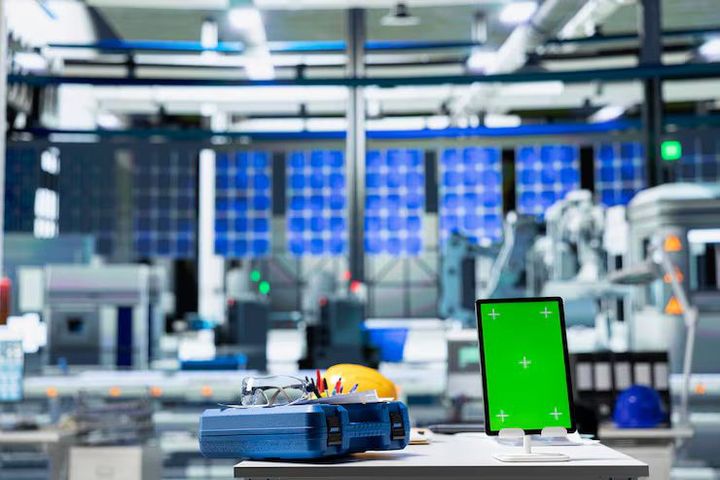
Energy-Efficient Industrial Equipment Overview for Sustainable Industry Growth
Energy-efficient industrial equipment refers to machines and systems designed to use less energy while maintaining or improving performance in manufacturing and industrial processes. These technologies are developed to reduce energy consumption, minimize waste, and support environmentally responsible operations.
Industries such as manufacturing, construction, logistics, and power generation rely heavily on equipment like motors, compressors, boilers, and HVAC systems. Traditionally, these machines consumed large amounts of electricity or fuel. Over time, advancements in engineering and digital monitoring have led to the development of energy-efficient alternatives.
The concept of energy-efficient equipment addresses two major challenges: high operational energy demand and environmental concerns related to emissions and resource use. Modern systems now integrate smart technologies to optimize performance while reducing energy consumption.
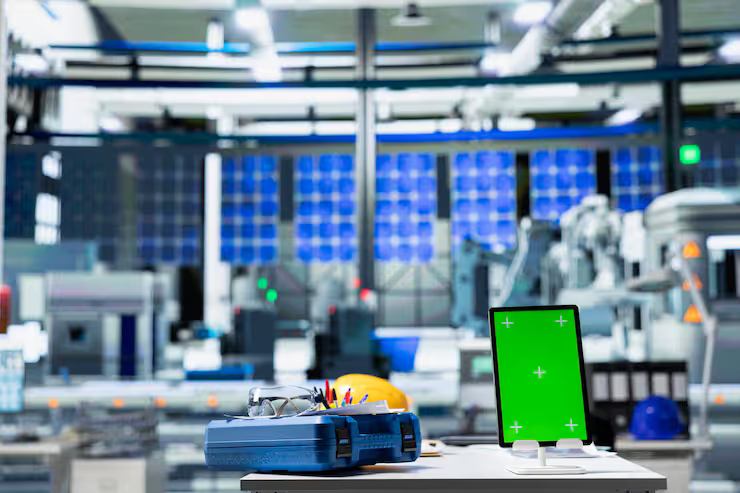
Why Energy Efficiency Matters in Industry
Energy efficiency has become a priority due to rising energy demand, environmental concerns, and stricter regulations. It plays a key role in improving operational sustainability and resource management.
Key Benefits for Industries
Industries adopting energy-efficient equipment gain multiple advantages:
- Reduced energy consumption across production cycles
- Lower environmental impact through decreased emissions
- Improved operational reliability and system performance
- Enhanced compliance with environmental standards
Key Stakeholders
Energy efficiency impacts a wide range of stakeholders:
- Manufacturers optimizing production processes
- Governments promoting sustainable development
- Environmental organizations monitoring emissions
- Engineers and facility managers improving efficiency
Problems Solved by Energy-Efficient Equipment
Energy-efficient systems help address several industrial challenges:
- Excessive energy waste in outdated machinery
- High carbon emissions from operations
- Inefficient production systems
- Limited resource optimization
Recent Trends and Developments in 2025
In 2025, energy-efficient industrial equipment continues to evolve through advanced technologies and data-driven systems. Industries are increasingly adopting smart solutions to enhance efficiency and reduce waste.
Key Developments
Recent advancements include:
- Adoption of Industrial Internet of Things (IIoT) for real-time monitoring
- Expansion of AI-driven smart factories
- Electrification of processes replacing fossil fuels
- Improved high-efficiency motors and compressed air systems
Predictive maintenance tools are also gaining traction. These systems analyze equipment performance and identify inefficiencies before they become critical issues.
Another major trend is the integration of renewable energy sources such as solar and wind into industrial operations. Digital twin technology is also being used to simulate and optimize energy usage.
Comparison: Traditional vs Energy-Efficient Equipment
| Feature | Traditional Equipment | Energy-Efficient Equipment |
|---|---|---|
| Energy Consumption | High | Optimized |
| Automation Level | Low | High |
| Monitoring Capabilities | Limited | Real-time |
| Environmental Impact | Higher | Reduced |
These trends highlight a shift toward intelligent and sustainable industrial systems.
Regulatory Frameworks and Policies
Energy-efficient equipment is closely linked to environmental regulations and government policies aimed at reducing emissions and energy use. Many countries, including India, promote the adoption of efficient technologies.
Key Policy Areas
- Energy conservation standards for equipment
- Emission reduction targets
- Incentives for adopting efficient technologies
- Mandatory energy audits for large industries
In India, the Energy Conservation Act and initiatives by the Bureau of Energy Efficiency (BEE) play a significant role. Programs like Perform, Achieve, and Trade (PAT) set energy-saving targets for industries.
International Standards
- ISO 50001 energy management systems
- Climate agreements for emission reduction
- National energy efficiency action plans
Compliance ensures reduced environmental impact and alignment with global sustainability goals.
Tools and Resources for Energy Efficiency
Various digital tools help industries monitor and improve energy performance. These tools enable data-driven decision-making and continuous optimization.
Common Tools
- Energy management software
- Industrial IoT dashboards
- Predictive maintenance systems
- Carbon footprint calculators
- Simulation and modeling software
Supporting Resources
- Energy audit templates
- Performance benchmarking tools
- Smart sensor platforms
- Data analytics solutions
Energy Optimization Workflow
- Collect energy usage data
- Analyze inefficiencies
- Implement improvements
- Monitor performance
Energy Optimization Stages
| Stage | Description |
|---|---|
| Data Collection | Gather energy usage data |
| Analysis | Identify inefficiencies |
| Implementation | Apply optimization techniques |
| Monitoring | Track results and improvements |
These tools support the transition toward smarter industrial operations.
Frequently Asked Questions
What is energy-efficient industrial equipment?
It refers to machinery designed to perform tasks using less energy while maintaining or improving output.
How does it reduce environmental impact?
By lowering energy consumption, it reduces greenhouse gas emissions and resource usage.
Which industries benefit the most?
Manufacturing, automotive, construction, power generation, and logistics industries benefit significantly.
What role does automation play?
Automation optimizes operations, reduces idle time, and improves overall efficiency through smart controls.
Can it work with older systems?
Yes, many energy-efficient technologies can be integrated into existing systems through upgrades like sensors and software.
Key Insights and Practical Considerations
When evaluating energy-efficient equipment, industries should consider compatibility, automation level, maintenance requirements, and regulatory compliance. These factors ensure effective implementation and long-term benefits.
Emerging Trends
- Artificial intelligence for process optimization
- Advanced materials for improved performance
- Edge computing for faster data processing
- Smart grids for efficient energy distribution
Industries are increasingly adopting hybrid systems that combine traditional and modern technologies. This allows gradual transition without major disruptions.
Conclusion
Energy-efficient industrial equipment plays a critical role in sustainable industrial growth. It reduces energy consumption, enhances operational efficiency, and supports environmental compliance.
With advancements in automation, data analytics, and renewable integration, industries are moving toward smarter systems. Regulatory frameworks and modern tools further support this transition.
Understanding and adopting energy-efficient equipment is essential for balancing productivity with sustainability. As global demand rises, energy efficiency will remain a key driver of industrial development.