Many users today look for really good chatbots that feel natural and helpful. These tools are no longer limited to simple replies. They can now understand context, learn from interactions, and improve over time. This makes conversations smoother and more engaging.
What Is an AI Chatbot?
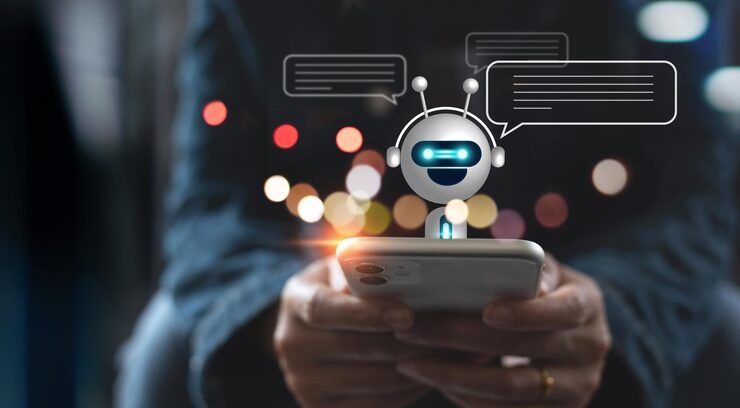
An AI chatbot is a software program designed to communicate with users through text or voice. It uses artificial intelligence to understand language and respond appropriately. You may have heard terms like ai robot talk or robot chat, which describe how these systems interact in a human-like way.
Chatbots can be rule-based or AI-powered. Rule-based bots follow predefined scripts, while AI chatbots learn from data and adapt to different situations. This flexibility allows them to handle a wide range of queries.
Types of AI Chatbots
There are different types of chatbots based on their functionality and intelligence level.
-
Rule-based chatbots
These follow specific rules and respond to fixed commands. They are simple but limited.
-
AI-powered chatbots
These use machine learning and natural language processing to understand complex inputs.
-
Voice-enabled chatbots
These allow users to speak instead of typing, making interactions more natural.
-
Hybrid chatbots
These combine rule-based logic with AI capabilities for better performance.
Each type serves a different purpose, depending on the level of interaction needed.
How AI Chatbots Work
AI chatbots rely on several technologies to function effectively. The most important one is natural language processing, which helps the chatbot understand user input. It breaks down sentences, identifies intent, and generates a response.
Machine learning also plays a key role. Chatbots learn from past conversations and improve their replies over time. This makes interactions more accurate and relevant.
Here is a simple breakdown of how a chatbot works:
-
User sends a message or voice input
-
The chatbot analyzes the input using AI models
-
It identifies the intent behind the message
-
The system generates a suitable response
-
The chatbot replies instantly
This process happens within seconds, making communication fast and efficient.
Common Uses of AI Chatbots
AI chatbots are used in many industries and everyday scenarios. Their ability to respond instantly makes them useful for both individuals and organizations.
Customer Support and Assistance
One of the most common uses of chatbots is customer support. They can answer frequently asked questions, guide users, and provide quick solutions.
-
Respond to basic queries
-
Help users navigate websites
-
Provide instant answers at any time
This reduces waiting time and improves user satisfaction.
Education and Learning
Chatbots are also used in education to support students and learners. They can explain topics, provide reminders, and assist with practice questions.
-
Offer interactive learning experiences
-
Answer academic questions
-
Help with language learning
This makes learning more accessible and engaging.
Personal Assistance
AI chatbots act as digital assistants in daily life. They help users manage tasks, set reminders, and organize schedules.
-
Set alarms and reminders
-
Provide weather updates
-
Help manage daily activities
This improves productivity and convenience.
Content Interaction
Chatbots are used to deliver content in an interactive way. Instead of reading long texts, users can ask questions and get direct answers.
-
Provide quick information
-
Guide users through content
-
Make digital platforms more interactive
This creates a more user-friendly experience.
Benefits of Using AI Chatbots
AI chatbots offer many advantages that make them valuable in modern communication. They help improve efficiency while keeping interactions simple and smooth.
Faster Communication
Chatbots provide instant responses, which saves time for users. There is no need to wait for replies, making communication quick and efficient.
Consistent Responses
Unlike humans, chatbots provide consistent answers every time. This ensures that users receive accurate and reliable information.
24/7 Availability
Chatbots are always active, which means users can interact with them at any time. This is especially useful for global audiences.
Improved User Experience
AI chatbots make interactions more engaging and personalized. They can remember preferences and adapt responses accordingly.
Reduced Workload
By handling repetitive tasks, chatbots reduce the workload for human teams. This allows people to focus on more complex tasks.
Features of Really Good Chatbots
Not all chatbots are the same. Really good chatbots stand out because of their ability to provide smooth and meaningful interactions.
Here are some key features to look for:
-
Natural conversation flow
The chatbot should respond in a way that feels human and easy to understand.
-
Context awareness
It should remember previous messages and continue the conversation logically.
-
Quick response time
Fast replies improve user satisfaction and engagement.
-
Multi-language support
This helps reach a wider audience.
-
Continuous learning
The chatbot should improve over time based on user interactions.
These features make a chatbot more effective and user-friendly.
Challenges and Limitations
While AI chatbots offer many benefits, they also come with some challenges. Understanding these limitations helps set realistic expectations.
Limited Understanding in Some Cases
Chatbots may struggle with complex or unclear queries. If the input is too vague, the response may not be accurate.
Dependence on Data
AI chatbots rely on data to learn and improve. Poor or limited data can affect their performance.
Lack of Human Emotion
Although chatbots can simulate conversations, they may not fully understand emotions. This can affect interactions in sensitive situations.
Technical Issues
Like any technology, chatbots can experience errors or downtime. Regular updates and maintenance are important.
Future of AI Chatbots
The future of AI chatbots looks promising as technology continues to evolve. These systems are becoming more intelligent and capable of handling complex interactions.
In the coming years, we can expect:
-
More human-like conversations
-
Better voice interaction capabilities
-
Improved understanding of emotions
-
Integration with advanced technologies
AI chatbots will likely become a standard part of digital communication, making interactions faster and more efficient.
Tips for Using Chatbots Effectively
To get the best experience from chatbots, users can follow a few simple tips.
-
Ask clear and specific questions
-
Use simple language for better understanding
-
Provide feedback when possible
-
Be patient with complex queries
These small steps can improve the quality of interaction.
Conclusion
AI chatbots are transforming the way people communicate with technology. From answering questions to assisting with daily tasks, they have become an essential tool in modern digital life.
With advancements in AI, chatbots are becoming smarter and more reliable. Whether you are exploring robot chat or engaging in ai robot talk, these tools are designed to make communication easier and more efficient.
As technology continues to grow, AI chatbots will play an even bigger role in shaping how we interact with digital platforms.