Smart Fleet System Guide: Features, Benefits, and Modern Business Applications
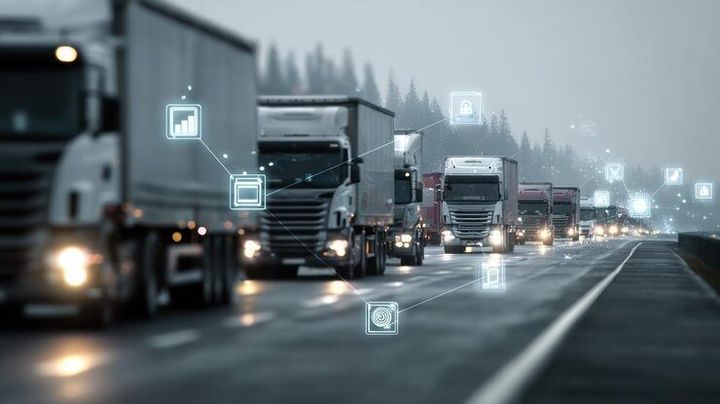
A smart fleet system is a digital solution that helps businesses manage vehicles more efficiently using technology. It combines tools like GPS tracking, data analytics, and automation to monitor and control fleet operations in real time.
Today, many organizations rely on these systems to improve visibility and make better decisions. Whether it is logistics, delivery, or transportation, managing a fleet manually can be complex and time-consuming. Smart systems simplify these processes and bring everything into one connected platform.
As industries move toward digital transformation, smart fleet systems are becoming an essential part of modern operations.
Key Features of Smart Fleet Systems
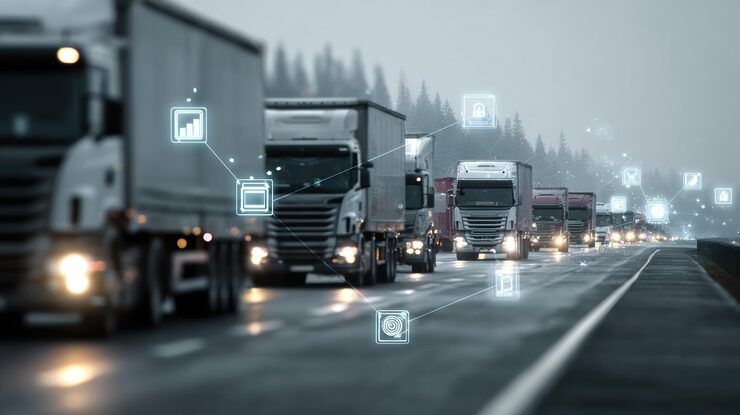
Smart fleet systems come with a wide range of features designed to make fleet management easier and more effective. These features work together to provide real-time insights and better control.
Real-Time Vehicle Tracking
One of the most important features is GPS tracking. It allows businesses to see the exact location of every vehicle at any time.
This helps in route planning, quick decision-making, and improving delivery timelines. It also enhances security by reducing the risk of vehicle misuse or theft.
Data Analytics and Reporting
Smart systems collect large amounts of data and turn it into useful insights.
These reports help managers understand fuel usage, driver behavior, and vehicle performance. With this information, businesses can identify areas for improvement and make informed decisions.
Driver Behavior Monitoring
Monitoring how drivers operate vehicles is another key feature.
The system can track speeding, harsh braking, and sudden acceleration. This helps in promoting safer driving habits and reducing the chances of accidents.
Maintenance Alerts and Scheduling
Regular maintenance is important for keeping vehicles in good condition.
Smart fleet systems provide alerts for servicing, inspections, and repairs. This prevents unexpected breakdowns and extends the life of vehicles.
Route Optimization
Advanced systems suggest the most efficient routes based on traffic and distance.
This reduces travel time, saves fuel, and improves overall productivity. It also ensures timely deliveries and better customer satisfaction.
Benefits of Using Smart Fleet Systems
Adopting a smart fleet system offers several practical benefits for businesses. These benefits go beyond simple tracking and help improve overall operations.
Improved Operational Efficiency
Automation reduces the need for manual work and paperwork.
Managers can monitor everything from a single dashboard, which saves time and reduces errors. This leads to smoother and faster operations.
Enhanced Safety and Compliance
Safety is a major concern in fleet management.
Smart systems help ensure that drivers follow safety guidelines and regulations. Alerts and reports make it easier to maintain compliance with industry standards.
Better Fuel Management
Fuel costs are a significant part of fleet operations.
By analyzing driving patterns and optimizing routes, smart systems help reduce unnecessary fuel consumption. This leads to more efficient use of resources.
Increased Transparency
Real-time data provides full visibility into fleet activities.
This transparency builds trust within the organization and helps in better coordination between teams.
Reduced Downtime
Maintenance alerts ensure that vehicles are serviced on time.
This reduces unexpected breakdowns and keeps the fleet running smoothly without interruptions.
Applications Across Different Industries
Smart fleet systems are used in many industries, each benefiting in unique ways. Their flexibility makes them suitable for both small and large operations.
Logistics and Delivery Services
In logistics, timely delivery is crucial.
Smart systems help track shipments, optimize routes, and ensure that deliveries reach on time. This improves efficiency and customer satisfaction.
Transportation and Public Services
Public transport systems use fleet management to monitor buses and vehicles.
It helps in managing schedules, reducing delays, and improving passenger experience.
Construction and Field Services
Construction companies use fleet systems to manage heavy equipment and service vehicles.
This ensures proper utilization of resources and reduces idle time on job sites.
Healthcare and Emergency Services
Ambulance and emergency vehicle management becomes more effective with real-time tracking.
It allows faster response times and better coordination during critical situations.
How Smart Fleet Systems Support Decision-Making
Modern businesses rely heavily on data to make decisions. Smart fleet systems play a key role in providing accurate and timely information.
Data-Driven Insights
The system collects data from various sources and presents it in an easy-to-understand format.
Managers can analyze trends and identify patterns that impact performance.
Performance Evaluation
Fleet performance can be measured using different metrics such as fuel usage, delivery times, and driver behavior.
This helps in setting goals and improving overall efficiency.
Predictive Analysis
Some advanced systems use predictive tools to forecast potential issues.
For example, they can predict when a vehicle might need maintenance. This allows businesses to act before problems occur.
Challenges and Considerations
While smart fleet systems offer many advantages, there are some challenges to consider before implementation.
Initial Setup and Integration
Setting up a new system may take time and effort.
It needs to be integrated with existing processes and tools to work effectively.
Data Management
Handling large amounts of data can be challenging.
Businesses need to ensure that data is organized and used properly to gain meaningful insights.
User Training
Employees need to understand how to use the system effectively.
Proper training is important to ensure that all features are used correctly.
Privacy and Security
Since these systems collect sensitive data, security is a key concern.
Businesses must ensure that data is protected and used responsibly.
Future Trends in Smart Fleet Technology
Technology continues to evolve, and smart fleet systems are becoming more advanced with time.
Artificial intelligence and machine learning are being used to improve predictions and automate decision-making. These technologies help in analyzing complex data more efficiently.
Integration with Internet of Things devices is also growing. Vehicles equipped with sensors can provide real-time updates on performance and conditions.
Another trend is the use of electric and connected vehicles. Smart systems are adapting to support these new types of fleets, making them more sustainable and efficient.
As these trends continue, smart fleet systems will become even more important for modern businesses.
Conclusion
Smart fleet systems are transforming the way businesses manage their vehicles. By combining tracking, data analysis, and automation, these systems provide better control and visibility.
They help improve efficiency, enhance safety, and support informed decision-making. While there are some challenges, the benefits often outweigh the difficulties when implemented correctly.
As technology continues to advance, smart fleet systems will play a key role in shaping the future of transportation and fleet management.