Ergonomic Stand Up Industrial Work Table Guide for Safety and Productivity
An ergonomic stand up industrial work table is a specially designed workstation that allows workers to perform tasks while standing comfortably and safely. These tables are commonly used in manufacturing units, warehouses, laboratories, and assembly lines where repetitive tasks and prolonged standing are part of daily operations.
Ergonomics focuses on designing workplaces that fit human capabilities and limitations. Traditional fixed-height tables can cause discomfort, fatigue, and long-term health issues.
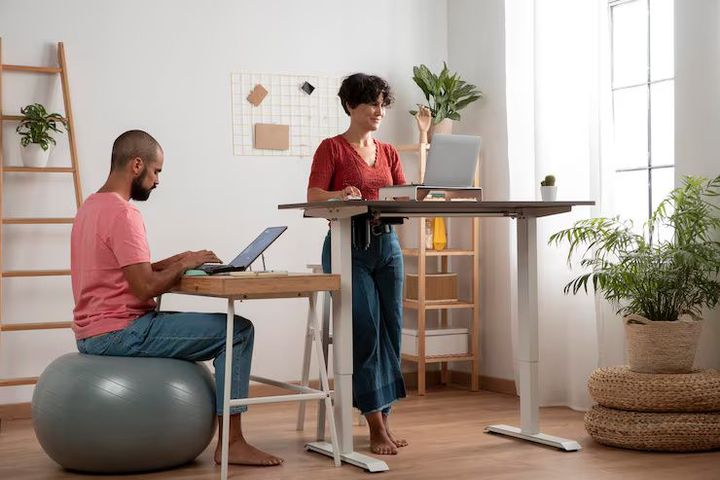
Ergonomic stand up work tables address these challenges by offering adjustable heights, supportive designs, and improved accessibility. They enhance worker well-being, reduce strain, and improve overall efficiency.
By aligning workstations with users’ posture, these tables minimize unnecessary movements and awkward positions during tasks.
Why Ergonomic Work Tables Matter in Modern Industries
Ergonomic stand up industrial work tables are increasingly important due to growing awareness of workplace health and safety.
Key Benefits
- Worker Health: Reduces musculoskeletal disorders (MSDs), back pain, and fatigue.
- Productivity: Comfortable workers perform tasks faster and more accurately.
- Workplace Safety: Minimizes risk of strain-related injuries.
- Employee Satisfaction: Better working conditions improve morale and retention.
Relevant Industries
- Assembly line operations
- Packaging and logistics
- Laboratories and research facilities
- Electronics and precision manufacturing
Common Problems Solved
- Prolonged standing fatigue
- Repetitive motion injuries
- Incorrect working height
- Reduced workflow efficiency
Recent Updates and Trends in Ergonomic Workstations (2024–2025)
Recent advancements have shaped ergonomic stand up work table design to meet modern workplace demands.
Key Trends
- Smart Adjustable Tables (2024): Electric height controls with memory presets allow quick position changes.
- IoT Integration (2025): Monitors usage patterns and worker posture for better workplace planning.
- Sustainability Focus (2024–2025): Use of recyclable materials and energy-efficient components.
- Anti-Fatigue Innovations: Enhanced mats and footrests reduce strain during long standing periods.
- Modular and Custom Designs: Tables can be reconfigured to optimize space and workflow.
Regulations and Policies Influencing Ergonomic Work Tables
Ergonomic workstations are guided by workplace safety laws and ergonomic standards in many countries, including India.
Key Regulatory Considerations
- Occupational Safety Guidelines: Proper workstation design prevents injuries.
- Factory Safety Regulations: Employers must provide safe and suitable working conditions.
- Ergonomic Standards: Encourage adjustable furniture and proper posture support.
India-Specific Guidelines
- Factories Act, 1948
- Occupational Safety, Health and Working Conditions Code, 2020
These frameworks emphasize reducing physical strain and improving worker comfort.
Useful Tools and Resources for Ergonomic Workstation Setup
Several digital and practical tools help in designing and maintaining ergonomic industrial work tables.
Digital Tools
- Ergonomic assessment calculators for proper table height
- Posture analysis software for workplace evaluation
Workplace Tools
- Adjustable height mechanisms (manual or electric)
- Anti-fatigue mats, footrests, and support bars
- Task lighting systems
Online Resources
- Government safety guidelines websites
- Industrial design templates for workstation planning
- Training modules on workplace ergonomics
Templates and Checklists
- Ergonomic workstation setup checklist
- Risk assessment templates
- Maintenance logs for equipment
Key Features of Ergonomic Stand Up Industrial Work Tables
| Feature | Description |
|---|---|
| Adjustable Height | Set table to a comfortable level |
| Sturdy Construction | Supports heavy industrial tasks |
| Anti-Fatigue Support | Reduces strain on legs and feet |
| Modular Design | Enables flexible configurations |
| Safety Edges | Prevents injuries during operation |
| Integrated Accessories | Tool holders, lighting, and cable management |
Benefits Overview in Workplace Settings
| Benefit | Impact on Workers and Industry |
|---|---|
| Reduced Fatigue | Improves comfort during long shifts |
| Better Posture | Minimizes risk of injuries |
| Increased Efficiency | Enhances workflow and task accuracy |
| Improved Safety | Reduces workplace accidents |
| Adaptability | Supports multiple tasks and users |
Frequently Asked Questions About Ergonomic Work Tables
What is the ideal height for a stand up industrial work table?
Generally, the work surface should be at elbow level to maintain a neutral posture.
Are ergonomic tables suitable for all industries?
Yes, they are widely used in manufacturing, healthcare, logistics, and laboratories.
How do ergonomic tables reduce workplace injuries?
They minimize awkward postures and repetitive strain, reducing musculoskeletal disorders.
What materials are commonly used?
Steel frames, laminated surfaces, and anti-corrosion coatings ensure durability.
Do ergonomic tables require regular maintenance?
Yes, periodic checks for height adjustment mechanisms, stability, and surface condition are necessary.
Conclusion
Ergonomic stand up industrial work tables are essential in modern workplaces for combining comfort, safety, and efficiency.
Advancements in technology, regulatory awareness, and design practices make these tables an integral part of industrial infrastructure. They support physical health, boost productivity, and enhance workplace satisfaction.
Adopting ergonomic principles is no longer optional—it is a practical step toward creating safer, more efficient work environments.