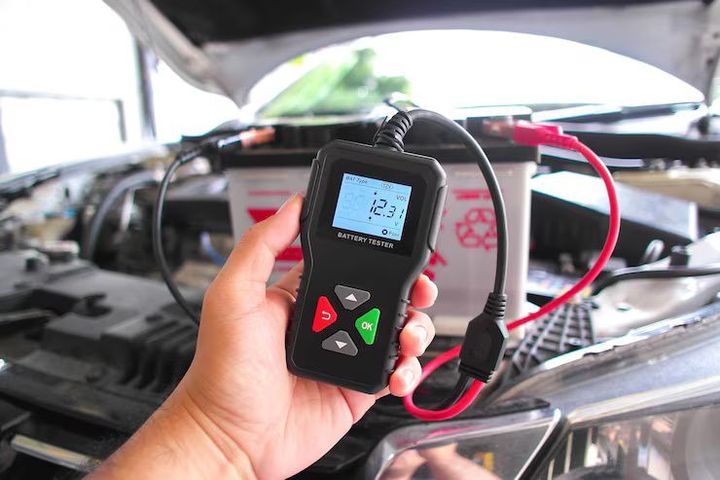
EV Battery Test Systems: Complete Guide to Performance, Safety, and Testing Technology
Electric vehicle (EV) battery test systems are specialized technologies used to measure the performance, safety, durability, and reliability of batteries used in electric vehicles. These systems simulate real-world conditions to analyze how battery packs behave during charging, discharging, temperature changes, and long-term use.
Electric vehicles rely heavily on lithium-ion battery packs as their primary energy source. These batteries directly impact vehicle range, charging speed, and overall performance. Because of this, thorough testing is essential before batteries are used in vehicles or large-scale energy systems.
Battery testing technology ensures that EV batteries meet safety standards, deliver expected performance, and remain stable during operation. Test systems evaluate parameters such as voltage, current, temperature, internal resistance, and cycle life.
Testing Systems and Environments
Modern EV battery test systems include advanced data acquisition software, thermal chambers, and programmable load systems. These tools allow engineers to analyze battery behavior across thousands of charge cycles and detect risks like overheating or capacity loss.
Common testing environments include:
- Research laboratories
- Automotive manufacturing facilities
- Battery development centers
- Certification and compliance laboratories
Testing is performed at multiple levels to ensure reliability across all components. These levels include:
- Individual battery cells
- Battery modules
- Full battery packs
Why EV Battery Testing Matters Today
Electric vehicles are becoming a key part of global transportation strategies focused on reducing emissions and improving energy efficiency. As adoption increases, reliable battery testing becomes even more critical.
Battery systems influence several important aspects of EV performance. These include driving range, charging efficiency, safety, and lifespan. Proper testing helps identify issues before deployment in real-world vehicles.
Key Factors Evaluated in Testing
Battery testing helps engineers understand performance under various conditions, such as:
- High temperatures
- Extreme cold
- Rapid charging cycles
- Continuous high-power usage
Testing also ensures compatibility with battery management systems (BMS), which control charging, monitor battery health, and prevent damage.
Industries Impacted
Several industries benefit from EV battery testing advancements:
- Electric vehicle manufacturing
- Renewable energy storage
- Smart grid infrastructure
- Public transportation electrification
- Industrial energy storage systems
Recent Developments in EV Battery Testing Technology
EV battery testing has seen rapid advancements as global demand for electric vehicles grows. In 2025, there has been increased focus on solid-state battery testing due to their higher energy density and improved safety.
Another major trend is the development of high-power battery cycling systems. These systems simulate rapid charging conditions similar to modern fast-charging stations.
Key Technological Innovations
Recent developments include:
- Advanced battery cyclers for ultra-fast charging simulation
- Artificial intelligence tools for analyzing battery degradation
- Digital twin technology for performance modeling
- Automated laboratories with robotic battery handling
Thermal runaway simulation systems are also being adopted to study battery behavior under extreme conditions. Data analytics and machine learning are now widely used to predict battery lifespan and identify trends.
Regulations and Policies Influencing EV Battery Testing
EV battery testing is guided by international safety standards and government regulations. These frameworks ensure batteries meet strict safety and environmental requirements before deployment.
Key Global Standards
Important international standards include:
- UN 38.3 for lithium battery transport safety
- IEC 62660 for EV lithium-ion batteries
- ISO 12405 for battery pack performance testing
- SAE J2464 for EV battery safety procedures
Governments in regions such as the United States, European Union, and Asia require battery testing for certification. Recent policies also focus on battery recycling and lifecycle analysis.
Tools and Resources for Battery Testing
Modern EV battery testing relies on both hardware and software systems. These tools help simulate real-world conditions and analyze battery performance.
Common Testing Technologies
Key technologies used in battery testing include:
- Battery cyclers for charge/discharge testing
- Environmental chambers for temperature simulation
- Data acquisition systems for electrical monitoring
- Battery management system simulators
- Electrochemical impedance spectroscopy tools
Testing Categories Overview
| Testing Category | Purpose | Example Measurements |
|---|---|---|
| Performance Testing | Evaluates capacity and efficiency | Voltage, current, capacity |
| Safety Testing | Identifies risks like overheating | Thermal response, short circuit |
| Lifecycle Testing | Measures long-term durability | Cycle life, degradation rate |
| Environmental Testing | Simulates external conditions | Temperature stability |
Common Test Metrics
| Test Parameter | Description |
|---|---|
| Energy Density | Energy stored per unit mass |
| Cycle Life | Number of charge cycles before degradation |
| Internal Resistance | Electrical resistance within the battery |
| Thermal Stability | Ability to maintain safe temperatures |
These tools allow engineers to monitor battery behavior and performance in real time.
Frequently Asked Questions
What is an EV battery test system?
An EV battery test system is specialized technology used to evaluate battery performance, safety, and durability through controlled simulations and measurements.
Why is battery testing important?
Battery testing ensures reliability, reduces safety risks, and confirms compliance with regulatory standards before use in vehicles.
What types of batteries are tested?
Most testing focuses on lithium-ion batteries, although newer methods are being developed for solid-state and advanced battery technologies.
What is cycle life testing?
Cycle life testing measures how many charge and discharge cycles a battery can complete before performance significantly declines.
How does temperature affect testing?
Temperature impacts efficiency, safety, and lifespan. Testing systems simulate extreme heat and cold to evaluate battery behavior under different conditions.
Key Insights on EV Battery Testing Trends
EV battery testing continues to evolve alongside innovations in battery technology. Emerging trends highlight the growing importance of advanced testing methods.
Industry Trends and Impact
| Emerging Focus | Impact on EV Technology |
|---|---|
| Fast Charging Simulation | Improves charging infrastructure compatibility |
| AI Data Analysis | Predicts battery degradation early |
| Solid-State Testing | Supports next-generation battery development |
| Thermal Safety Monitoring | Enhances vehicle safety systems |
Conclusion
EV battery test systems play a critical role in the development and validation of electric vehicles. They help engineers analyze performance, monitor safety, and evaluate long-term durability.
With increasing demand for electric vehicles and energy storage systems, testing technologies continue to advance. Innovations such as AI-driven analysis and automated testing facilities are shaping the future of battery development.
Regulations and global standards ensure that batteries meet strict safety and performance requirements. As the transition to sustainable transportation continues, battery testing remains essential for reliable and efficient electric mobility.