Explore EPDM Rubber Flooring: Benefits, Installation Process, and Key Insights
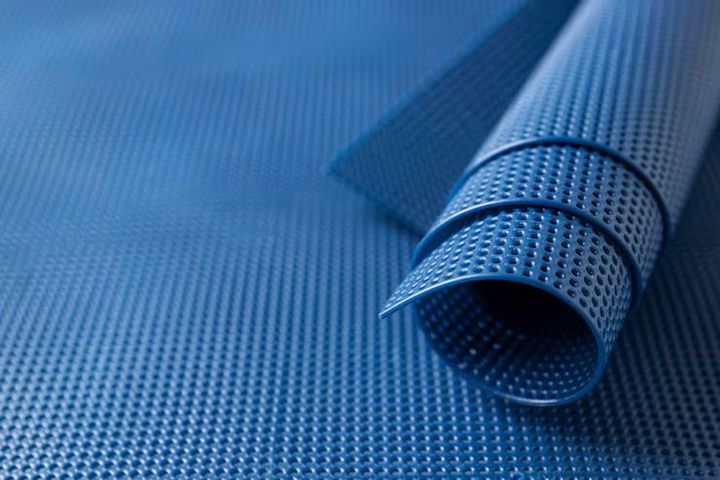
EPDM rubber flooring is a type of resilient surface material made from ethylene propylene diene monomer (EPDM), a synthetic rubber known for its durability and flexibility. Originally developed for industrial and outdoor applications, EPDM has gradually become common in residential, recreational, and public environments. It is widely used in playgrounds, sports courts, walking tracks, gyms, and even certain indoor areas due to its shock-absorbing and weather-resistant properties.
This flooring material is typically available in tiles, rolls, or poured-in-place systems. The composition allows it to withstand temperature variations, moisture exposure, and heavy foot traffic. Because of these characteristics, EPDM rubber flooring is often selected for areas where safety, comfort, and long-term performance are important.
The growing interest in safer and more sustainable materials has contributed to the wider adoption of EPDM surfaces. Its structure and properties help address concerns related to slips, falls, and maintenance challenges, especially in high-use environments.
Importance
The relevance of EPDM rubber flooring has increased as public and private spaces place greater emphasis on safety and accessibility. In environments such as playgrounds and sports facilities, the ability of the surface to absorb impact plays a significant role in reducing injury risks.
For everyday users, this flooring addresses several practical challenges. In homes, it can provide a softer surface for exercise or children’s play areas. In public spaces, it supports durability and reduces wear over time, which helps maintain consistent surface conditions.
Key reasons why this flooring matters today include:
- Safety considerations: Its shock-absorbing nature helps reduce the severity of falls.
- Weather resistance: Suitable for both indoor and outdoor applications, even in varying climates.
- Low maintenance needs: Requires basic cleaning without frequent replacements.
- Noise reduction: Helps dampen sound in indoor environments such as gyms or playrooms.
These features make EPDM rubber flooring relevant across a wide range of settings, from educational institutions to residential complexes.
Recent Updates
Recent developments in EPDM rubber flooring reflect changes in design preferences and environmental awareness. Manufacturers have focused on improving both the visual appeal and the environmental profile of the material.
One noticeable trend is the expansion of color and texture options. This allows architects and planners to integrate flooring into creative designs without compromising functionality. Custom patterns and multi-color surfaces are now more common in playgrounds and public parks.
Another development involves the use of recycled materials. Some EPDM flooring systems incorporate recycled rubber as a base layer, contributing to resource efficiency. While the top layer remains engineered for performance, the inclusion of recycled content aligns with broader sustainability efforts.
Installation methods have also evolved. Pre-formed tiles and modular systems are gaining attention because they simplify the process and reduce installation time compared to traditional poured-in-place systems.
Digital tools have further supported planning and layout design. Software-based visualization tools allow users to preview how flooring patterns will appear in a given space before installation begins.
Laws or Policies
The use of EPDM rubber flooring is influenced by various safety and environmental regulations, particularly in public and commercial spaces. These rules help ensure that the material meets required standards for performance and user protection.
In many countries, playground surfaces must comply with impact attenuation standards. These standards define how well a surface can absorb shock to reduce injury risk. EPDM rubber flooring is often evaluated under such criteria before being approved for use in public play areas.
Building codes may also regulate aspects such as fire resistance, slip resistance, and accessibility. For example:
- Accessibility guidelines: Surfaces must allow smooth movement for wheelchairs and mobility aids.
- Slip resistance standards: Flooring should provide sufficient traction under dry and wet conditions.
- Environmental compliance: Materials may need to meet limits on emissions or chemical content.
Local authorities or regulatory bodies typically define these requirements. While EPDM flooring can meet many of these standards, compliance depends on proper installation and material specifications.
Tools and Resources
Several tools and resources can help individuals and organizations better understand and plan EPDM rubber flooring projects. These resources are useful for estimating materials, visualizing layouts, and ensuring compliance with guidelines.
Commonly used resources include:
- Material calculators: These tools estimate the quantity of tiles or rubber mix required based on area dimensions.
- Design software: Helps create layout patterns and color combinations for playgrounds or sports areas.
- Installation guides: Step-by-step documents that explain surface preparation, layering, and curing processes.
- Standards documentation: Publications from safety organizations that outline requirements for impact absorption and slip resistance.
Below is a simple table that compares common types of EPDM rubber flooring systems:
| Flooring Type | Installation Method | Typical Use Areas | Key Features |
|---|---|---|---|
| Tiles | Interlocking or adhesive | Gyms, indoor play areas | Easy to replace, modular design |
| Rolls | Laid with adhesive | Fitness rooms, corridors | Smooth surface, fewer seams |
| Poured-in-place | Mixed and applied on-site | Playgrounds, outdoor parks | Seamless, customizable thickness |
Each type has its own advantages depending on the intended use and environment.
Installation Process
Understanding the installation process of EPDM rubber flooring helps in assessing how the material performs over time. While methods may vary depending on the system, the general steps remain similar.
Surface Preparation
The base surface must be clean, dry, and level before installation begins. Common base materials include concrete or compacted stone. Proper preparation ensures that the flooring adheres well and maintains stability.
Layer Application
For poured-in-place systems, the process typically involves two layers: a base layer made from recycled rubber and a top layer composed of EPDM granules. The base layer provides cushioning, while the top layer adds durability and color.
In tile or roll systems, the material is laid directly onto the prepared surface using adhesives or interlocking mechanisms.
Curing and Finishing
After application, the surface requires time to set and stabilize. Environmental conditions such as temperature and humidity can influence curing time. Once cured, the surface is inspected for consistency and safety.
Proper installation is essential to ensure that EPDM rubber flooring meets expected performance standards, especially in high-traffic or safety-sensitive areas.
FAQs
What is EPDM rubber flooring used for?
EPDM rubber flooring is commonly used in playgrounds, sports facilities, gyms, and outdoor walkways. Its shock-absorbing and weather-resistant properties make it suitable for areas where safety and durability are important.
How long does EPDM rubber flooring last?
The lifespan of EPDM rubber flooring depends on usage, environmental conditions, and installation quality. In many cases, it can remain functional for several years with regular maintenance.
Is EPDM rubber flooring suitable for outdoor areas?
Yes, EPDM rubber flooring is designed to withstand outdoor conditions such as sunlight, rain, and temperature changes. Its resistance to weather makes it a practical option for parks and recreational spaces.
How is EPDM rubber flooring installed?
The installation process involves preparing a stable base, applying layers of rubber material or placing tiles, and allowing the surface to cure. The exact method depends on whether tiles, rolls, or poured systems are used.
Is EPDM rubber flooring safe for children?
EPDM rubber flooring is often used in playgrounds because of its ability to absorb impact. When installed according to safety guidelines, it can help reduce the risk of injury from falls.
Conclusion
EPDM rubber flooring is a versatile material designed to provide durability, safety, and flexibility across different environments. Its ability to withstand weather conditions and absorb impact makes it suitable for both indoor and outdoor applications. With various installation methods and design options available, it can be adapted to meet different needs. Understanding its features, installation process, and regulatory considerations helps in making informed decisions about its use.