Explore Fatty Liver Disease Resources: Complete Health Information
Fatty liver disease is one of the most common liver conditions worldwide. It develops when excess fat builds up inside liver cells.
In many cases, people may not notice symptoms during the early stages, making regular health awareness and medical guidance important. Understanding fatty liver disease resources can help individuals learn about prevention, diagnosis, lifestyle management, and available medical information.
This guide explains the basics of fatty liver disease, why it matters, recent developments, relevant health policies, and reliable resources for learning more. The information is intended for educational purposes and should not replace advice from a qualified healthcare professional.
Context
Fatty liver disease refers to the accumulation of fat in the liver beyond normal levels. It includes conditions associated with metabolic risk factors as well as those linked to alcohol-related liver damage. Healthcare professionals evaluate the underlying cause before recommending appropriate management.
Common factors associated with fatty liver disease include:
- Excess body weight
- Type 2 diabetes
- High cholesterol
- High triglycerides
- Limited physical activity
- Certain medications
- Excessive alcohol consumption in alcohol-related liver disease
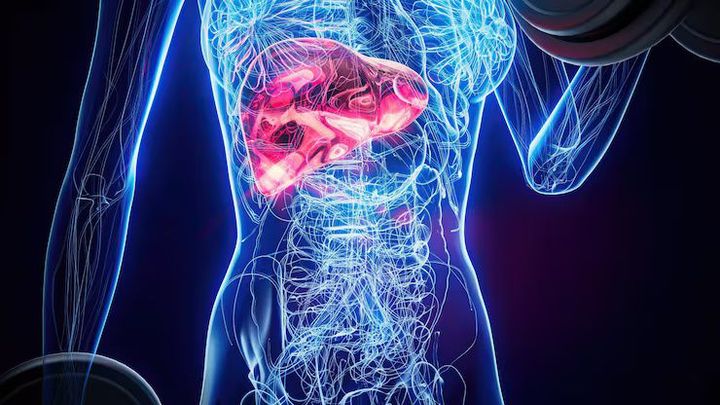
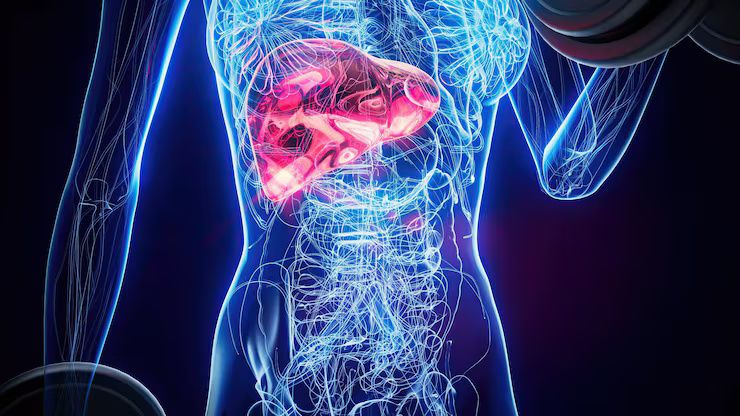
The liver performs many essential functions, including filtering blood, storing nutrients, producing proteins, and processing medicines. When fat continues to accumulate, inflammation and liver damage may develop in some individuals. Early recognition allows healthcare providers to monitor liver health and recommend suitable lifestyle changes or medical evaluation.
Types of Fatty Liver Disease
The two broad categories include:
| Type | Description |
|---|---|
| Metabolic dysfunction-associated fatty liver disease (MASLD) | Fat accumulation related to metabolic risk factors such as obesity, diabetes, or insulin resistance. |
| Alcohol-related fatty liver disease | Fat accumulation associated with excessive alcohol consumption. |
Importance
Fatty liver disease matters because it often develops without noticeable symptoms during its early stages. Many people discover the condition during routine blood tests or imaging performed for unrelated reasons.
If not properly monitored, some individuals may experience progression from simple fat accumulation to liver inflammation, fibrosis, cirrhosis, or reduced liver function. Not every person with fatty liver disease develops severe complications, but regular medical follow-up helps identify those at greater risk.
Groups commonly affected include:
- Adults with obesity
- Individuals with type 2 diabetes
- People with metabolic syndrome
- Individuals with elevated cholesterol
- People with high blood pressure
- Those with sedentary lifestyles
Possible symptoms in more advanced stages may include:
- Fatigue
- Mild discomfort in the upper right abdomen
- Weakness
- Unexplained weight changes
- Swelling in advanced liver disease
Because symptoms are often absent early, healthcare providers may recommend blood tests, ultrasound examinations, FibroScan assessments, or other diagnostic methods when risk factors are present.
Recent Updates
Healthcare research between 2024 and 2026 has continued improving the understanding of fatty liver disease and liver health.
Several important developments include:
- Greater adoption of the term Metabolic Dysfunction-Associated Steatotic Liver Disease (MASLD) in clinical guidance.
- Increased emphasis on identifying liver disease earlier through primary healthcare screening for high-risk individuals.
- Continued research into medicines that may help selected patients alongside lifestyle interventions.
- Improved non-invasive diagnostic technologies that reduce the need for liver biopsy in many situations.
- Greater public health focus on nutrition, physical activity, and weight management.
Advances in Diagnosis
Modern diagnostic approaches increasingly combine:
- Blood-based fibrosis scoring tools
- Ultrasound imaging
- Transient elastography (FibroScan)
- MRI-based liver fat measurement in selected patients
These approaches help healthcare professionals estimate liver fat and fibrosis while reducing unnecessary invasive testing.
Laws or Policies
Governments and public health organizations continue developing strategies that support liver disease prevention through broader health initiatives rather than disease-specific legislation.
Examples include:
- National nutrition guidelines promoting balanced diets.
- Public health campaigns encouraging regular physical activity.
- Diabetes prevention initiatives.
- Obesity reduction strategies.
- Alcohol consumption awareness programs.
- Clinical practice guidelines published by national and international liver associations.
Many healthcare systems also recommend routine screening for diabetes, obesity, and cardiovascular risk factors because these conditions are closely linked with metabolic liver disease.
Medical privacy regulations ensure that patient health information remains protected during diagnosis and treatment according to applicable national laws.
Tools and Resources
Reliable fatty liver disease resources can help individuals understand diagnosis, treatment options, healthy lifestyle practices, and ongoing medical research.
Useful resources include:
- National public health department websites
- Liver health organizations
- Hospital patient education centers
- Registered dietitian educational materials
- Diabetes education programs
- Peer-reviewed medical journals
Helpful tools may include:
- Body Mass Index (BMI) calculators
- Waist circumference measurement guides
- Healthy meal planning templates
- Physical activity tracking applications
- Blood pressure monitoring logs
- Blood glucose tracking tools for individuals with diabetes
When reviewing health information online, consider whether the source:
- References current medical evidence
- Identifies qualified medical authors
- Updates information regularly
- Clearly distinguishes educational information from medical advice
Reliable health resources encourage consultation with healthcare professionals for diagnosis and personalized treatment decisions.
FAQs
What is fatty liver disease?
Fatty liver disease occurs when excess fat accumulates in the liver. Many people experience no symptoms initially, making routine medical evaluation important for individuals with risk factors.
Can fatty liver disease be reversed?
In some cases, especially during early stages, lifestyle improvements such as healthy eating, regular physical activity, and weight management may reduce liver fat. Individual outcomes vary, so medical guidance remains important.
Who has a higher risk of developing fatty liver disease?
People with obesity, type 2 diabetes, high cholesterol, metabolic syndrome, and limited physical activity have an increased likelihood of developing fatty liver disease.
How is fatty liver disease diagnosed?
Healthcare professionals may use blood tests, ultrasound imaging, FibroScan examinations, MRI in selected situations, and occasionally liver biopsy when additional information is required.
Where can I find reliable fatty liver disease resources?
Reliable information is available through government health agencies, recognized liver organizations, healthcare institutions, and qualified healthcare professionals who provide evidence-based guidance.
Conclusion
Fatty liver disease is a common condition that often develops gradually and may remain unnoticed during its early stages. Understanding available fatty liver disease resources helps individuals recognize risk factors, learn about diagnosis, and make informed health decisions.
Ongoing research continues improving early detection, diagnostic methods, and treatment approaches. Maintaining healthy lifestyle habits, attending regular medical checkups, and using reliable educational resources can support better long-term liver health.
Educational information is valuable for increasing awareness, but diagnosis and treatment decisions should always be made with the guidance of a qualified healthcare professional based on individual medical needs.