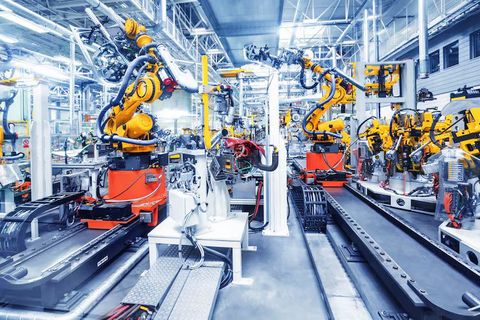
Explore FMCG Warehouse Management and Storage Solutions
Fast-Moving Consumer Goods (FMCG) warehouses play an important role in the movement and storage of everyday products. Items such as packaged foods, beverages, personal care products, cleaning supplies, and household essentials often pass through warehouse facilities before reaching retailers and consumers. Effective FMCG warehouse management helps maintain inventory accuracy, improve product flow, and support timely distribution.
As supply chains become more complex, organizations increasingly rely on modern storage solutions and warehouse technologies to manage large volumes of goods. From inventory tracking systems to automated storage methods, warehouse management practices continue to evolve to meet changing market demands while maintaining efficiency and compliance.
Context
FMCG warehouse management refers to the planning, organization, storage, and movement of consumer goods within a warehouse environment. The primary goal is to ensure products are stored correctly, tracked accurately, and distributed efficiently throughout the supply chain.
Warehouses used for FMCG products often handle high inventory turnover. Products may enter and leave the facility quickly, requiring organized storage systems and clear operational processes.
Common Functions of FMCG Warehouses
- Receiving incoming goods
- Inventory tracking and monitoring
- Product storage and organization
- Order preparation and dispatch
- Returns management
- Quality and safety checks
Types of Storage Solutions
FMCG facilities may use different storage methods depending on product characteristics:
| Storage Solution | Purpose | Common Products |
|---|---|---|
| Pallet Racking | Bulk storage | Packaged goods |
| Shelving Systems | Small-item storage | Personal care items |
| Cold Storage | Temperature control | Dairy and beverages |
| Automated Storage Systems | High-volume operations | Mixed FMCG inventory |
| Floor Stacking | Short-term storage | Fast-moving products |
These storage solutions help maximize space utilization while supporting efficient inventory movement.
Importance
FMCG warehouse management is important because it directly influences product availability, inventory accuracy, and supply chain efficiency.
When warehouses operate effectively, organizations can maintain appropriate stock levels and reduce delays in product movement. Proper storage solutions also help preserve product quality and minimize waste.
The impact extends to multiple groups:
- Manufacturers that distribute goods to different markets
- Retailers that depend on consistent inventory replenishment
- Logistics providers coordinating transportation activities
- Consumers expecting product availability
Accurate warehouse management also contributes to improved forecasting and inventory planning, helping organizations respond to changing demand patterns.
Recent Updates
Between 2024 and 2026, several trends have influenced FMCG warehouse operations.
Increased Warehouse Automation
Many facilities have expanded the use of automation technologies, including automated storage systems, robotic picking equipment, and conveyor-based material handling. These technologies support faster processing and improved inventory visibility.
Growth of Digital Inventory Management
Cloud-based warehouse management systems have become more common. These platforms allow organizations to monitor stock levels, track product movement, and generate operational reports in real time.
Data-Driven Decision Making
Advanced analytics tools are increasingly used to forecast demand, optimize storage layouts, and improve inventory planning. Data insights help warehouse operators identify inefficiencies and improve operational performance.
Sustainability Initiatives
Warehouses are adopting environmentally conscious practices such as:
- Energy-efficient lighting
- Reduced packaging waste
- Improved recycling programs
- Optimized transportation planning
These measures aim to reduce resource consumption while supporting operational efficiency.
Laws or Policies
FMCG warehouses must comply with various regulations related to product handling, workplace safety, and inventory management.
Requirements vary by country and product category, but several areas are commonly regulated.
Workplace Safety Regulations
Warehouse operators are generally required to maintain safe working conditions. This includes proper equipment operation, employee training, emergency procedures, and hazard management.
Food Storage and Handling Requirements
Facilities storing food and beverage products may need to follow food safety standards related to hygiene, storage temperatures, contamination prevention, and product traceability.
Inventory Recordkeeping
Many jurisdictions require businesses to maintain accurate inventory records for auditing, taxation, and compliance purposes.
Environmental Compliance
Environmental regulations may apply to:
- Waste disposal
- Packaging management
- Energy usage
- Refrigeration systems
- Hazardous material handling
Organizations typically review national and local regulations regularly to maintain compliance.
Tools and Resources
Various digital tools and resources support FMCG warehouse management and storage operations.
| Tool Type | Purpose |
| Warehouse Management System (WMS) | Inventory tracking and warehouse operations |
| Barcode Scanning Software | Product identification and tracking |
| RFID Systems | Automated inventory monitoring |
| Inventory Forecasting Tools | Demand planning and stock management |
| Storage Capacity Calculators | Space utilization planning |
| Fleet Tracking Platforms | Transportation visibility |
| Compliance Checklists | Regulatory monitoring |
Useful resources often include:
- Government trade and logistics portals
- Supply chain industry associations
- Warehouse safety guidelines
- Inventory planning templates
- Logistics research publications
These resources help warehouse managers improve operational efficiency and maintain compliance standards.
FAQs
What is an FMCG warehouse?
An FMCG warehouse is a facility used to store, manage, and distribute fast-moving consumer goods such as food products, beverages, household items, and personal care products.
Why is inventory accuracy important in FMCG warehouses?
Inventory accuracy helps maintain stock visibility, reduce shortages, support efficient replenishment, and improve overall warehouse performance.
What is a Warehouse Management System (WMS)?
A Warehouse Management System is software designed to monitor inventory, manage warehouse activities, and improve operational efficiency.
How does automation support warehouse operations?
Automation can improve inventory tracking, accelerate product movement, reduce manual processes, and increase operational consistency.
What storage solution is commonly used in FMCG warehouses?
Pallet racking systems are widely used because they support organized storage, efficient access, and effective use of warehouse space.
Conclusion
FMCG warehouse management is a critical component of modern supply chains. Effective storage solutions, inventory control practices, and warehouse technologies help support efficient product movement and operational accuracy. Recent developments in automation, analytics, and digital management systems continue to influence warehouse operations between 2024 and 2026. By following applicable regulations and using appropriate tools, organizations can maintain efficient and well-organized warehouse environments.