Explore High Voltage Cable Manufacturing: Key Technologies and Quality Considerations
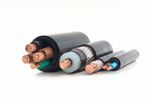
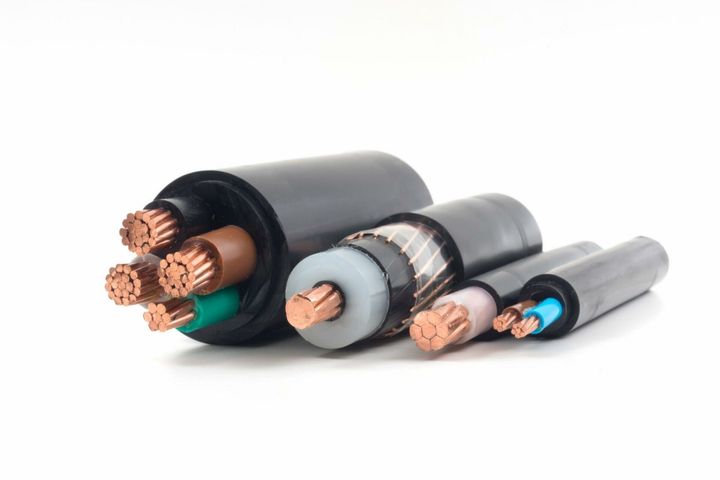
High voltage cable manufacturing is a specialized area within the electrical industry that focuses on producing cables capable of carrying electricity over long distances and at high voltage levels.
These cables play an important role in power transmission networks, industrial facilities, substations, and large infrastructure projects. As electricity demand continues to grow, reliable cable systems remain essential for connecting power generation sources with homes, businesses, and public facilities.
The development of high voltage power cables has evolved alongside the expansion of electrical grids. Early power networks relied on simpler conductor systems, but increasing energy requirements led to the creation of more advanced cable designs with stronger insulation, improved durability, and greater transmission efficiency.
Today, high voltage cable manufacturers and electrical cable manufacturers use sophisticated production methods to create cables that can operate safely under demanding conditions. These products are used in overhead transmission systems, underground installations, renewable energy projects, and industrial power distribution networks.
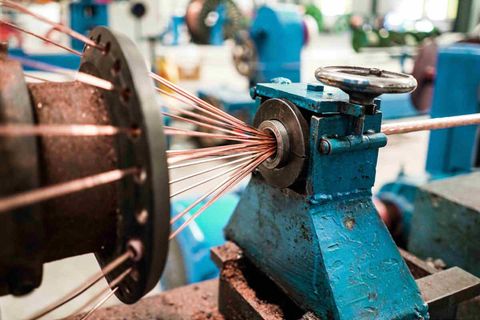
Power cable manufacturing combines material science, engineering, and quality control processes. From conductor preparation to insulation application and testing, every production stage contributes to the overall performance of the finished cable.
Importance
High voltage cable manufacturing has a significant impact on modern society because electricity supports nearly every aspect of daily life. Reliable transmission systems help deliver power from generation facilities to cities, industries, transportation networks, and communication infrastructure.
Supporting Electrical Grid Infrastructure
Electrical grid infrastructure cables form the backbone of national and regional power networks. These cables enable the movement of large amounts of electricity across long distances while maintaining stability within the grid.
Without properly designed transmission cable manufacturing processes, electrical networks could experience greater energy losses, reduced efficiency, and increased maintenance requirements.
Enabling Industrial Operations
Industrial power distribution cables support manufacturing plants, processing facilities, mining operations, and large commercial complexes. These environments often require continuous power delivery to maintain production and operational activities.
Industrial power cable suppliers contribute to sectors that depend on dependable electrical systems for machinery, automation equipment, and safety systems.
Expanding Renewable Energy Projects
As renewable energy installations grow, the need for advanced power transmission cable systems continues to increase. Wind farms, solar parks, and hydroelectric facilities often require extensive cable networks to connect generated electricity to transmission systems.
Underground power cable manufacturers also play an important role in renewable projects where environmental, land-use, or urban planning considerations favor underground installations.
Supporting Urban Development
Modern cities require substantial electrical infrastructure. Residential developments, transportation systems, hospitals, and data centers depend on reliable cable networks that can handle increasing electricity demand while meeting safety requirements.
Recent Updates
The high voltage cable manufacturing sector continues to evolve in response to changing energy needs and technological advancements.
Increased Focus on Grid Modernization
Many countries are modernizing aging electrical networks to improve reliability and accommodate growing electricity consumption. This trend has encouraged investment in upgraded transmission infrastructure and advanced cable technologies.
High voltage cable manufacturers are increasingly developing products designed to support smart grid systems, improved monitoring capabilities, and enhanced operational efficiency.
Growth of Underground Transmission Systems
Urban expansion and environmental considerations have contributed to greater interest in underground transmission networks. Underground power cable manufacturers are producing cables designed for long operational life and reduced environmental exposure.
These installations can help address space limitations in densely populated areas while supporting electrical infrastructure expansion.
Advanced Insulation Technologies
New insulation materials continue to improve cable performance. Modern manufacturing techniques focus on reducing defects, enhancing thermal performance, and increasing long-term reliability.
Cable extrusion production lines have become more precise, allowing manufacturers to maintain consistent insulation thickness and material quality throughout production.
Integration of Digital Monitoring
Digital monitoring technologies are becoming more common across power transmission cable systems. Sensors and monitoring equipment can provide information about cable temperature, load conditions, and operational performance.
This trend supports preventive maintenance strategies and helps utility operators manage infrastructure more effectively.
Sustainability Considerations
Environmental considerations are influencing manufacturing practices. Many production facilities are exploring ways to reduce material waste, improve energy efficiency, and optimize resource utilization during steel, copper, aluminum, and polymer processing.
Laws or Policies
High voltage cable manufacturing operates within a framework of technical standards, safety requirements, and regulatory guidelines.
Electrical Safety Standards
Governments and regulatory agencies typically establish requirements for cable safety, performance, and testing. These standards help ensure that cables used in power systems meet minimum quality and reliability expectations.
Manufacturers generally follow nationally recognized standards as well as international technical specifications.
Environmental Regulations
Cable production facilities may be subject to environmental regulations governing emissions, waste management, material handling, and workplace safety practices.
These requirements aim to reduce environmental impact while promoting responsible industrial operations.
Infrastructure Development Programs
Many countries support electrical infrastructure expansion through public investment programs and long-term energy planning initiatives. Such programs often influence demand for electrical grid infrastructure cables and transmission equipment.
Quality Certification Requirements
Quality certification systems help verify that manufacturing processes follow established procedures. Certification frameworks often require documented testing, process control measures, and continuous quality management practices.
The following table summarizes common regulatory focus areas:
| Regulatory Area | Primary Purpose |
|---|---|
| Electrical Safety | Protect system reliability and public safety |
| Product Testing | Verify performance requirements |
| Environmental Compliance | Manage industrial environmental impact |
| Workplace Safety | Protect personnel during manufacturing |
| Quality Management | Maintain consistent production standards |
| Infrastructure Standards | Support compatibility across power networks |
Tools and Resources
Various tools and resources help engineers, planners, researchers, and industry professionals understand power cable manufacturing and transmission systems.
Engineering Software
Engineering software can assist with:
- Cable sizing calculations
- Load analysis
- Voltage drop estimation
- Thermal performance evaluation
- Network planning
These tools help determine appropriate cable specifications for different applications.
Industry Standards Organizations
Standards organizations publish technical guidelines that define testing methods, material requirements, and performance criteria for high voltage power cables.
These documents help establish common practices across the industry.
Utility Planning Resources
Utility companies often provide educational resources explaining transmission infrastructure, electrical grid operations, and power distribution systems.
These materials can help readers better understand how cable networks support electricity delivery.
Manufacturing Process Monitoring Systems
Modern power cable manufacturing facilities frequently use digital monitoring systems that track production parameters such as:
- Conductor dimensions
- Insulation thickness
- Temperature control
- Material consistency
- Production speed
These systems help maintain quality throughout the manufacturing process.
Technical Training Platforms
Educational platforms, engineering institutions, and technical organizations provide learning resources related to cable design, transmission systems, electrical safety, and manufacturing technologies.
FAQs
What is high voltage cable manufacturing?
High voltage cable manufacturing is the process of producing cables designed to transmit electricity at high voltage levels. The process includes conductor preparation, insulation application, protective layer installation, testing, and quality verification.
How do high voltage cable manufacturers ensure product quality?
High voltage cable manufacturers typically use multiple inspection and testing procedures throughout production. These may include dimensional checks, electrical testing, insulation evaluation, and final performance verification before cables are approved for use.
What materials are commonly used in high voltage power cables?
High voltage power cables commonly use copper or aluminum conductors along with specialized insulation materials and protective outer coverings. Material selection depends on application requirements, environmental conditions, and transmission needs.
Why are underground power cable manufacturers important for modern infrastructure?
Underground power cable manufacturers produce cables designed for installation below ground level. These systems support urban development, transportation projects, renewable energy connections, and locations where overhead transmission lines may not be practical.
What role do cable extrusion production lines play in power cable manufacturing?
Cable extrusion production lines apply insulation and protective layers around conductors. Precise extrusion processes help ensure consistent cable dimensions, material quality, and electrical performance throughout the finished product.
Conclusion
High voltage cable manufacturing is a critical part of modern electrical infrastructure, supporting power transmission, industrial operations, renewable energy projects, and urban development. Advances in materials, manufacturing techniques, and monitoring technologies continue to influence how high voltage power cables are produced and used. Quality control, safety standards, and regulatory requirements remain central to the manufacturing process. As electrical networks evolve, transmission cable manufacturing will continue to play an important role in maintaining reliable electricity delivery.