Medical Equipments Overview: Understanding Modern Healthcare Technology
Medical equipment plays a central role in modern healthcare.
From routine checkups to advanced medical procedures, healthcare equipment helps medical professionals assess, monitor, and manage patient health. Over the years, technological progress has transformed simple medical tools into sophisticated systems capable of supporting complex clinical decisions.
Today, medical equipment suppliers, hospital equipment manufacturers, and medical devices suppliers contribute to a broad ecosystem that supports healthcare facilities worldwide. These technologies include diagnostic medical equipment, patient monitoring systems, imaging devices, laboratory instruments, and many other tools used in hospitals, clinics, and research centers.
As healthcare needs continue to evolve, healthcare technology equipment has become increasingly important in improving efficiency, supporting accurate diagnoses, and assisting healthcare professionals in delivering patient care.
Context
Understanding Medical Equipment
Medical equipment refers to devices, instruments, machines, and systems used in healthcare environments. These tools assist with diagnosing diseases, monitoring patients, conducting laboratory testing, supporting treatment procedures, and maintaining healthcare operations.
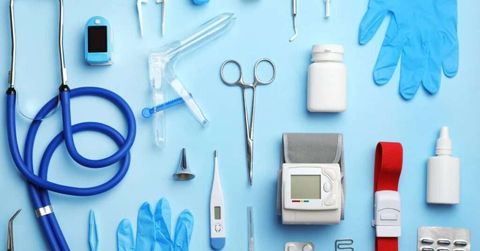
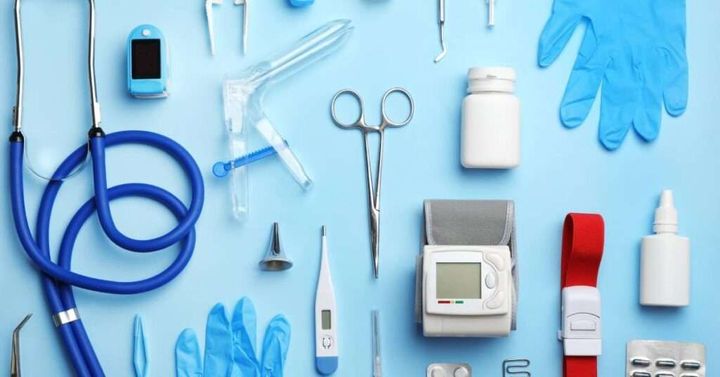
Healthcare equipment can range from basic instruments such as thermometers and blood pressure monitors to advanced technologies like diagnostic imaging equipment and robotic surgical systems.
How Medical Equipment Developed
The development of medical equipment has been closely linked to scientific and technological advancement. Early healthcare tools were largely manual and limited in capability. As engineering, electronics, and computer science progressed, healthcare facilities gained access to more precise and efficient technologies.
Modern hospital medical devices often incorporate software, sensors, artificial intelligence, and digital communication systems. These innovations enable healthcare providers to collect and analyze patient information more effectively.
Major Categories of Medical Equipment
Medical equipment is commonly divided into several categories:
- Diagnostic equipment used to identify medical conditions.
- Monitoring equipment used to track patient health indicators.
- Therapeutic equipment used during treatment procedures.
- Laboratory equipment used for testing and analysis.
- Imaging equipment used to visualize internal body structures.
- Support equipment used in hospital operations.
The following table summarizes common categories:
| Equipment Category | Primary Purpose | Examples |
|---|---|---|
| Diagnostic Equipment | Disease detection | ECG machines, blood analyzers |
| Imaging Equipment | Internal visualization | MRI scanners, CT scanners, ultrasound systems |
| Monitoring Equipment | Patient observation | Patient monitoring systems, pulse oximeters |
| Laboratory Equipment | Sample analysis | Microscopes, analyzers |
| Therapeutic Equipment | Treatment support | Ventilators, infusion pumps |
| Support Equipment | Healthcare operations | Hospital beds, sterilization units |
Importance
Supporting Accurate Diagnosis
One of the primary functions of diagnostic medical equipment is helping healthcare professionals identify health conditions. Technologies such as diagnostic imaging equipment allow physicians to examine internal structures without invasive procedures.
MRI equipment manufacturers and ultrasound machine suppliers contribute to healthcare systems by providing technologies that support imaging and diagnostic processes.
Improving Patient Monitoring
Patient monitoring systems are widely used in hospitals, emergency departments, and intensive care units. These systems continuously track important health indicators such as heart rate, oxygen levels, respiratory rate, and blood pressure.
Continuous monitoring helps healthcare teams respond more effectively when patient conditions change.
Enhancing Healthcare Efficiency
Healthcare technology equipment assists hospitals and clinics in managing large amounts of information. Digital systems often integrate medical devices with electronic records, helping healthcare professionals access data more efficiently.
This integration can improve workflow coordination and reduce administrative challenges.
Supporting Healthcare Accessibility
Medical equipment distributors and clinical equipment suppliers help ensure that healthcare facilities have access to the tools needed for patient care. Access to appropriate equipment supports healthcare delivery across urban and rural settings.
Addressing Growing Healthcare Needs
As populations grow and healthcare demands increase, hospitals require a wide range of technologies to support patient care. Hospital equipment procurement processes help healthcare organizations plan for equipment needs while maintaining operational readiness.
Recent Updates
Increased Digital Integration
A significant trend in recent years has been the integration of medical equipment with digital platforms. Many hospital medical devices now connect with healthcare information systems, enabling more efficient data sharing across departments.
This trend supports improved record management and clinical decision-making.
Expansion of Artificial Intelligence Applications
Artificial intelligence is increasingly being incorporated into diagnostic medical equipment and imaging systems. AI-assisted tools can help identify patterns within medical images and support healthcare professionals during diagnostic evaluations.
These systems are generally designed to assist rather than replace clinical judgment.
Growth of Remote Monitoring Technologies
Remote patient monitoring has become more common across healthcare environments. Advanced patient monitoring systems can collect health information outside traditional hospital settings and transmit data securely to healthcare providers.
This approach supports ongoing observation for individuals with long-term health conditions.
Improved Imaging Capabilities
Diagnostic imaging equipment continues to evolve with advancements in image quality, processing speed, and data analysis capabilities. MRI equipment manufacturers and ultrasound machine suppliers have focused on technologies that improve imaging accuracy and workflow efficiency.
Cybersecurity and Data Protection Focus
As healthcare equipment becomes more connected, organizations have increased attention on cybersecurity measures. Protecting patient information and ensuring device reliability remain important priorities for healthcare providers and equipment developers.
Laws or Policies
Medical Device Regulations
Most countries regulate medical equipment through government agencies responsible for healthcare and public safety. These regulations establish standards for design, manufacturing, testing, and ongoing monitoring.
Medical devices typically undergo evaluation before they can be used in healthcare settings.
Quality and Safety Standards
Hospital equipment manufacturers generally follow recognized quality management frameworks. These standards help promote consistency, reliability, and safety throughout the equipment lifecycle.
Compliance requirements often include:
- Product testing procedures.
- Documentation standards.
- Risk management processes.
- Manufacturing quality controls.
- Post-market monitoring activities.
Procurement and Healthcare Programs
Hospital equipment procurement is frequently guided by healthcare regulations, public health policies, and institutional requirements. Healthcare organizations may follow structured evaluation processes when selecting equipment for clinical use.
These processes often consider safety, compatibility, maintenance requirements, and operational needs.
Data Privacy Requirements
Many modern healthcare technology equipment systems collect and store patient information. Data privacy regulations establish requirements for handling, storing, and protecting sensitive health information.
Healthcare facilities are generally expected to maintain appropriate safeguards for digital medical records and connected devices.
Tools and Resources
Regulatory Information Platforms
Government health agencies and regulatory authorities often maintain online resources that provide information about medical device classifications, safety standards, and compliance requirements.
These resources help healthcare professionals understand regulatory expectations.
Equipment Management Software
Healthcare facilities commonly use equipment management platforms to monitor device inventories, maintenance schedules, inspection records, and performance history.
Such tools support efficient equipment administration.
Clinical Reference Databases
Clinical databases provide information about medical technologies, healthcare guidelines, and equipment applications. These resources can assist healthcare professionals in understanding device capabilities and clinical use cases.
Hospital Procurement Frameworks
Hospital equipment procurement often relies on structured evaluation templates and assessment frameworks. These resources help organizations compare equipment specifications and operational requirements.
Training and Educational Resources
Healthcare institutions, professional organizations, and educational platforms provide training materials related to medical equipment operation, maintenance, and safety procedures.
These resources support ongoing professional development within healthcare environments.
FAQs
What is considered medical equipment?
Medical equipment includes devices, instruments, machines, and systems used for diagnosis, monitoring, treatment, laboratory testing, and healthcare operations. Examples include imaging systems, patient monitors, laboratory analyzers, and surgical equipment.
What do medical equipment suppliers provide?
Medical equipment suppliers typically provide healthcare facilities with access to various medical technologies, including diagnostic devices, monitoring systems, laboratory instruments, and healthcare support equipment.
What is the difference between diagnostic medical equipment and therapeutic equipment?
Diagnostic medical equipment is used to identify or evaluate medical conditions, while therapeutic equipment is used during treatment or patient care procedures. Imaging systems and laboratory analyzers are diagnostic examples, whereas ventilators and infusion pumps are therapeutic examples.
Why are patient monitoring systems important in hospitals?
Patient monitoring systems help healthcare professionals track vital signs and other health indicators in real time. These systems support timely observation of patient conditions and assist clinical decision-making.
How does hospital equipment procurement work?
Hospital equipment procurement generally involves evaluating clinical needs, reviewing technical specifications, assessing safety requirements, comparing available options, and ensuring compliance with healthcare regulations before equipment is introduced into clinical settings.
Conclusion
Medical equipment has become an essential component of modern healthcare systems. Advances in healthcare technology equipment continue to support diagnosis, monitoring, treatment, and healthcare management across a wide range of clinical environments. Developments in digital integration, imaging technologies, artificial intelligence, and remote monitoring are shaping the future of healthcare delivery. Understanding the role of medical equipment helps individuals appreciate how technology contributes to healthcare operations and patient care worldwide.