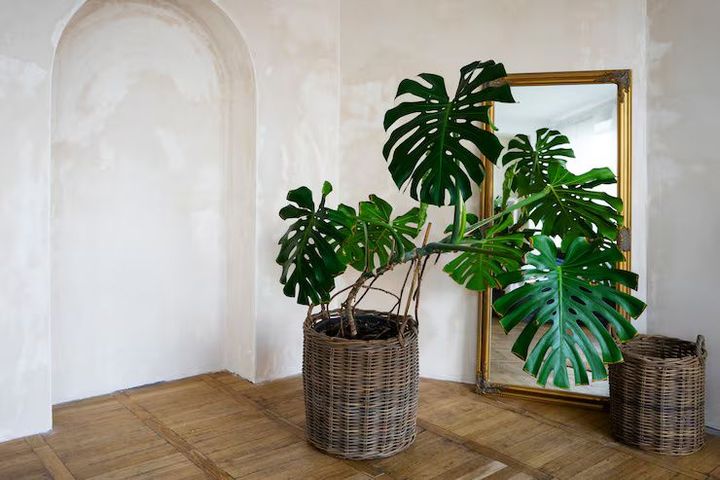
Explore Indoor Plants: A Complete Guide to Styling, Care, and Home Aesthetics
Indoor plants have been part of human living spaces for centuries, from ancient courtyard gardens to modern apartments. Today, they are commonly used in homes to enhance visual appeal, improve indoor environments, and create a sense of connection with nature. The growing interest in indoor plants reflects a broader shift toward mindful living and interior design that balances comfort with aesthetics.
Exploring indoor plants involves understanding how different plant varieties adapt to indoor conditions, how they contribute to home aesthetics, and how they can be maintained with simple care routines. This topic exists because many people live in urban environments where outdoor green space is limited, making indoor greenery an accessible alternative.
Indoor plants come in many forms, including leafy foliage plants, flowering varieties, succulents, and air-purifying species. Each type has unique characteristics that influence how it fits into interior spaces and daily routines.
Importance
Indoor plants play a meaningful role in modern living, especially in densely populated areas where access to natural surroundings may be limited. They help create a calming environment and can support a sense of well-being through visual and sensory engagement.
For many households, indoor plants address several practical challenges. These include improving indoor air quality perception, softening hard architectural elements, and adding color without permanent changes to interiors. They are also used to define spaces in open-plan homes or to make small rooms feel more dynamic.
From a design perspective, indoor plants contribute to home aesthetics by introducing texture, height, and natural variation. They can complement furniture, highlight corners, or act as focal points. Their adaptability makes them suitable for various interior styles, from minimalist to traditional.
In addition, caring for indoor plants can encourage routine and responsibility. Even simple actions like watering or repositioning plants can create a structured interaction with the living environment.
Recent Updates
In recent years, the interest in indoor plants has expanded alongside trends in home décor and sustainable living. Between 2024 and 2026, several developments have shaped how people approach indoor plant care and styling.
One noticeable trend is the integration of indoor plants into multifunctional spaces. As more people use their homes for work and relaxation, plants are often placed near desks or study areas to create a balanced atmosphere.
Another development is the increased use of compact and low-maintenance plants suited for smaller homes. Varieties such as snake plants, pothos, and succulents continue to gain attention due to their adaptability.
Technology has also influenced indoor plant care. Smart planters and moisture sensors are becoming more common, helping individuals monitor watering needs and environmental conditions. These tools reduce uncertainty and make plant care more manageable for beginners.
Sustainable practices are also shaping choices. Many people now prefer reusable pots, natural soil mixes, and water-saving techniques. This reflects a broader awareness of environmental impact in everyday decisions.
Laws or Policies
Indoor plants are generally not subject to strict regulations within homes, but certain rules and policies may influence their use, especially in specific regions like India.
Import regulations affect the availability of certain plant species. Government authorities may restrict the movement of plants across borders to prevent the spread of pests and diseases. This ensures that ecosystems remain protected.
In residential settings, housing societies or apartment guidelines may include rules about balcony gardening or water drainage. These guidelines aim to maintain cleanliness and prevent structural issues.
Environmental policies also promote the use of greenery in urban areas. Some local initiatives encourage indoor and balcony gardening as part of broader sustainability programs. While these policies do not mandate indoor plants, they support awareness about their environmental and social value.
For individuals, it is useful to understand local guidelines when placing plants in shared spaces or disposing of plant waste.
Tools and Resources
A variety of tools and resources can help individuals explore indoor plants more effectively and maintain them with ease.
Digital platforms and mobile applications provide plant identification and care guidance. These tools allow users to upload images and receive information about plant species, watering schedules, and light requirements.
Gardening journals or templates can help track plant growth and care routines. Recording watering frequency, sunlight exposure, and changes in plant health can improve long-term maintenance.
Common tools used in indoor plant care include:
- Watering cans: Designed for controlled watering, especially for small pots
- Pruning scissors: Useful for trimming leaves and maintaining plant shape
- Moisture meters: Help measure soil moisture levels accurately
- Spray bottles: Used for misting plants that prefer humidity
The following table summarizes basic indoor plant care needs:
| Plant Type | Light Requirement | Watering Frequency | Maintenance Level |
|---|---|---|---|
| Snake Plant | Low to indirect light | Every 2–3 weeks | Low |
| Pothos | Indirect light | Once a week | Low |
| Succulents | Bright light | Every 2–3 weeks | Low |
| Peace Lily | Low to medium light | Once a week | Moderate |
| Ferns | Indirect light | 2–3 times a week | Moderate |
Online forums and educational websites also provide community-based advice, where individuals share experiences related to indoor plants and home aesthetics.
FAQs
What are the easiest indoor plants for beginners?
Common beginner-friendly indoor plants include snake plants, pothos, and succulents. These plants adapt well to varying light conditions and require less frequent watering.
How do indoor plants improve home aesthetics?
Indoor plants enhance home aesthetics by adding natural color, texture, and structure. They can complement furniture and create visually balanced spaces without permanent design changes.
How often should indoor plants be watered?
Watering frequency depends on the plant type, soil, and environment. Some indoor plants need weekly watering, while others require less frequent care. Checking soil moisture helps determine the right timing.
Which indoor plants are suitable for low-light spaces?
Plants such as snake plants, ZZ plants, and peace lilies can tolerate low-light conditions. These are often used in rooms with limited natural light.
What tools help with indoor plant care?
Tools such as moisture meters, pruning scissors, watering cans, and plant care apps can support effective indoor plant care and help maintain healthy growth.
Conclusion
Indoor plants are a practical and adaptable way to bring natural elements into living spaces. They contribute to home aesthetics while supporting a balanced and calming environment. Understanding plant types, care routines, and placement helps individuals maintain healthy indoor greenery. With the availability of tools and evolving trends, managing indoor plants has become more accessible. Overall, indoor plants remain a relevant part of modern home design and everyday living.