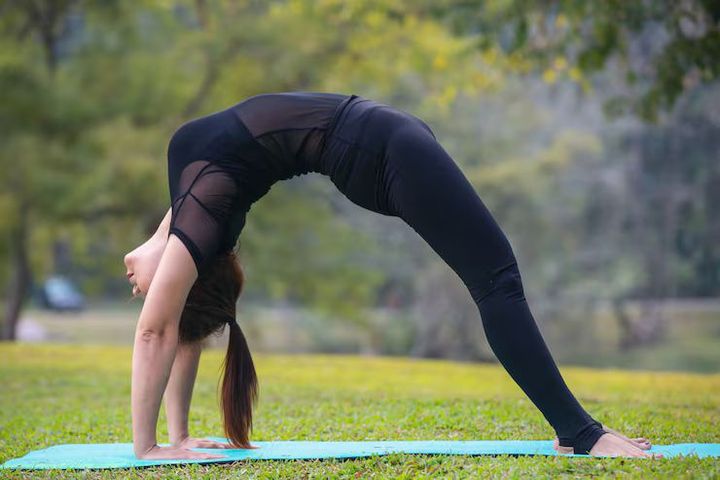
Explore Yoga for Flexibility: Simple Poses for Better Movement
Yoga for flexibility helps improve movement, posture, and joint mobility through controlled stretching and mindful breathing. This guide explains simple poses, benefits, trends, and useful tools.
Yoga is a movement practice that combines stretching, balance, breathing, and body awareness. Flexibility-focused yoga aims to improve how easily muscles and joints move through a healthy range of motion. It exists because modern lifestyles often reduce natural movement.
Long hours of sitting, screen time, and limited physical activity can lead to tight hips, stiff shoulders, and reduced mobility. Over time, this can affect posture and movement quality. Yoga helps address these challenges through gentle and structured stretches.
Unlike intense workouts, yoga focuses on gradual progress. It encourages controlled movement rather than force. This makes it suitable for beginners and people of different age groups.
Many flexibility exercises in yoga also support mobility training, posture correction, muscle recovery, and stress management. These are high-value wellness topics often linked with physical therapy, rehabilitation exercise, and movement science.
Why Yoga for Flexibility Matters Today
Flexibility is more important today than many people realize. It affects daily actions such as bending, walking, lifting, reaching, and sitting comfortably.
Poor flexibility may contribute to:
- Limited range of motion
- Muscle stiffness
- Poor posture
- Joint discomfort
- Reduced athletic performance
Yoga helps improve movement efficiency by lengthening muscles and improving body awareness.
Here is how yoga supports better movement:
| Benefit | Impact on Daily Life |
|---|---|
| Better Mobility | Easier bending and reaching |
| Improved Posture | Less slouching during desk work |
| Joint Support | Smoother body movement |
| Muscle Recovery | Reduced stiffness after exercise |
| Balance | Improved body control |
Yoga affects a wide group of people:
- Office workers with long sitting hours
- Athletes needing mobility training
- Older adults focusing on joint health
- Students with posture concerns
- Fitness beginners improving flexibility
A growing interest in wellness programs and mobility exercises has made yoga increasingly popular worldwide.
Simple Yoga Poses for Better Flexibility
These beginner-friendly poses support gradual flexibility improvement.
Forward Fold
This pose stretches the hamstrings, calves, and lower back.
Steps:
- Stand upright
- Bend forward slowly from the hips
- Relax the neck and shoulders
- Keep knees slightly bent if needed
Benefits include better hamstring flexibility and spinal release.
Cat-Cow Stretch
This dynamic stretch improves spinal mobility.
Steps:
- Start on hands and knees
- Arch the back while inhaling
- Round the spine while exhaling
This movement helps reduce stiffness caused by prolonged sitting.
Downward Dog
This classic pose stretches multiple muscle groups.
Targets:
- Hamstrings
- Shoulders
- Calves
- Spine
It improves overall body flexibility and posture.
Butterfly Pose
This pose focuses on hips and inner thighs.
Steps:
- Sit with feet together
- Let knees fall outward
- Sit tall with relaxed shoulders
It supports hip mobility and lower body flexibility.
Cobra Pose
Cobra improves chest and spine mobility.
Benefits include:
- Better posture
- Shoulder opening
- Back flexibility
Flexibility Progress Over Time
A simple view of expected improvement with regular practice:
Week 1–2: Mild mobility improvement
Week 3–4: Less stiffness in major joints
Week 6–8: Noticeable flexibility and smoother movement
Progress varies based on age, lifestyle, and consistency.
Recent Updates in Yoga and Mobility Trends
Over the past year, flexibility training has gained more attention in wellness and fitness communities.
In 2025, digital fitness platforms reported increased participation in guided mobility and stretching sessions. More trainers now combine yoga with recovery-focused movement programs.
Key trends include:
- Mobility-first exercise routines
- AI-based posture tracking
- Wearable movement analysis
- Virtual yoga coaching
- Stretch recovery programs
In early 2026, rehabilitation specialists increasingly emphasized mobility training as part of injury prevention. Flexibility is now seen as a core fitness metric alongside strength and endurance.
There is also growing awareness around workplace wellness. Many organizations encourage short movement breaks to reduce sedentary stress.
This shift highlights the importance of preventive health practices.
Laws and Policies Related to Yoga and Wellness
Yoga itself is not heavily regulated in most countries, but health and fitness activities are influenced by public wellness policies.
In India, yoga has strong institutional support through government wellness initiatives. The Ministry of AYUSH promotes yoga education and awareness programs.
International Day of Yoga also encourages worldwide participation in yoga and wellness activities.
Important policy areas affecting yoga include:
- Public health awareness campaigns
- Fitness education in schools
- Workplace wellness initiatives
- Safety standards for training spaces
In countries like the United States and Canada, yoga-related health guidance often falls under broader wellness and physical activity recommendations.
Some healthcare frameworks also recognize stretching and mobility exercise as supportive for preventive wellness.
Helpful Tools and Resources
Many resources can support yoga practice and flexibility improvement.
Useful tools include:
- Stretch tracking apps
- Pose correction software
- Guided breathing timers
- Mobility assessment templates
- Posture analysis tools
Helpful learning resources:
- Digital yoga classes
- Printable pose charts
- Movement journals
- Progress trackers
- Wellness calculators
A flexibility journal can be especially helpful. Tracking stiffness, comfort, and mobility helps identify progress over time.
Basic equipment may include:
- Yoga mat
- Support blocks
- Stretch strap
- Cushion for seated poses
These tools make beginner practice more comfortable.
Frequently Asked Questions
How often should I practice yoga for flexibility?
Practicing 3–5 times per week is often enough to improve flexibility gradually. Even short sessions can help when done consistently.
How long does it take to become more flexible?
Some people notice changes in 2–4 weeks. Significant improvements may take several months of regular practice.
Can beginners start yoga for flexibility?
Yes. Many poses can be modified for beginners. Slow progression reduces strain and improves comfort.
Is yoga better than stretching?
Yoga includes stretching but also adds breathing, balance, and mindfulness. This creates broader physical and mental benefits.
Can yoga reduce stiffness from desk work?
Yes. Regular yoga can improve posture, mobility, and muscle relaxation, especially in the hips, shoulders, and back.
Conclusion
Yoga for flexibility is a practical way to improve movement, posture, and mobility in everyday life. It helps counter stiffness caused by modern sedentary habits while supporting healthier joints and muscles.
Simple poses such as Forward Fold, Cat-Cow, and Butterfly Pose can create meaningful progress when practiced regularly. With growing awareness around mobility training and wellness, yoga continues to be a valuable tool for long-term movement health.