Exploring Brake Safety: Knowledge, Facts, and Helpful Resources for Better Understanding
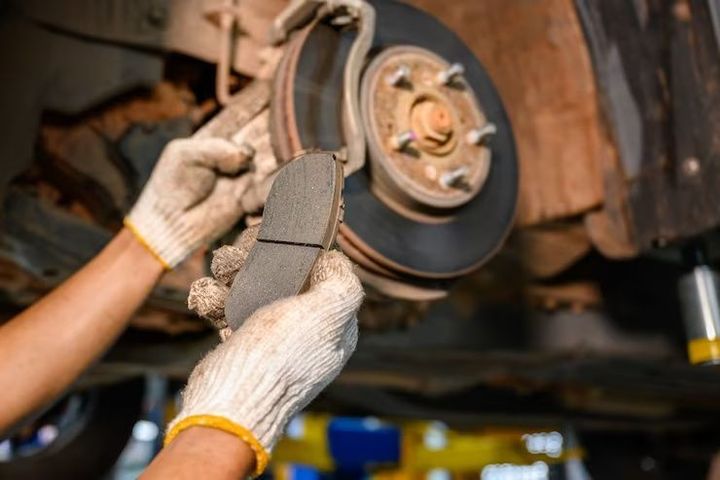
Brake safety refers to the understanding, maintenance awareness, and responsible use of braking systems in vehicles. Brakes play a critical role in controlling speed, slowing movement, and bringing vehicles to a stop when needed. The concept of brake safety developed alongside modern transportation systems as vehicles became faster and more widely used.
Early braking systems were simple mechanical designs that relied on friction to reduce wheel motion. Over time, improvements in engineering introduced hydraulic systems, electronic brake technologies, and advanced safety features that help vehicles respond more effectively during sudden stops or challenging road conditions.
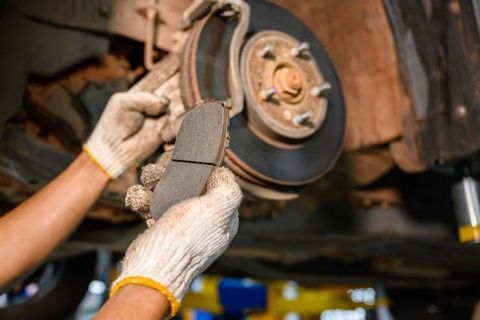
Understanding brake safety is important because braking systems operate continuously whenever a vehicle is driven. Drivers, vehicle owners, and transportation authorities all rely on proper brake performance to maintain road safety and reduce the likelihood of collisions.
Brake safety knowledge also involves recognizing how braking systems work, understanding warning signs of potential issues, and learning how modern technologies assist drivers during emergency situations. This knowledge helps people better understand the role braking systems play in everyday transportation.
Importance
Brake safety affects nearly every road user, including drivers, passengers, cyclists, and pedestrians. When braking systems function properly, vehicles can respond quickly to changes in traffic flow, road obstacles, or unexpected situations.
Several factors highlight why brake safety knowledge matters in daily transportation:
- Accident prevention: Reliable braking systems allow vehicles to stop or slow down quickly, helping reduce the likelihood of collisions.
- Vehicle control: Effective braking supports steering stability and helps drivers maintain control during sudden maneuvers.
- Road safety awareness: Understanding braking distance and vehicle response encourages safer driving behavior.
- Mechanical reliability: Regular awareness of brake performance helps identify early warning signs of wear or malfunction.
Brake safety also plays a role in traffic management and infrastructure planning. Roads, speed limits, and vehicle safety standards are designed with braking distance and stopping ability in mind.
The following table illustrates how braking distance typically changes with speed under standard driving conditions. Actual results vary depending on road surface, vehicle weight, tire condition, and weather.
| Vehicle Speed | Approximate Braking Distance | Combined Stopping Distance |
|---|---|---|
| 30 km/h | 9 meters | 14 meters |
| 50 km/h | 15 meters | 27 meters |
| 80 km/h | 38 meters | 62 meters |
| 100 km/h | 58 meters | 85 meters |
Combined stopping distance includes both driver reaction time and the physical braking distance after the brakes are applied.
Understanding these distances helps drivers recognize how speed influences vehicle control and response time.
Recent Updates
Between 2024 and 2026, several developments have influenced the broader conversation around brake safety and vehicle safety technology. Many automotive manufacturers have continued integrating advanced braking assistance systems into modern vehicles.
One notable trend involves the wider adoption of electronic braking systems that work alongside driver assistance technologies. These systems use sensors, cameras, and radar to monitor road conditions and surrounding traffic.
Examples of recent developments include:
- Automatic emergency braking (AEB): Systems designed to detect potential collisions and apply braking if the driver does not respond in time.
- Electronic stability control integration: Coordination between braking and steering systems to help maintain stability during sudden maneuvers.
- Regenerative braking in electric vehicles: Systems that convert kinetic energy into stored electrical energy while slowing the vehicle.
- Smart brake monitoring systems: Digital diagnostics that alert drivers when braking components show signs of wear.
Electric vehicles and hybrid vehicles have also influenced brake system design. Regenerative braking reduces mechanical brake usage in certain conditions, which changes maintenance patterns and component wear.
Another trend involves increased research into braking performance under diverse road conditions. Engineers and safety organizations study how braking systems perform during rain, snow, and uneven surfaces to improve vehicle safety design.
Laws or Policies
Brake safety is shaped by transportation regulations established by governments and international safety organizations. These regulations define minimum performance standards that braking systems must meet before vehicles can operate on public roads.
In India, vehicle braking requirements are governed by transportation regulations developed by the Ministry of Road Transport and Highways. These standards ensure that braking systems meet safety criteria related to stopping performance, durability, and reliability.
Testing and certification activities are conducted by institutions such as the Automotive Research Association of India, which evaluates vehicle safety performance according to national guidelines.
Several regulatory frameworks influence brake safety:
- Vehicle safety standards: Regulations define the minimum braking performance required for passenger vehicles, motorcycles, and commercial vehicles.
- Anti-lock braking system requirements: Many modern vehicles must include ABS technology to help maintain wheel control during sudden braking.
- Periodic vehicle inspection programs: Some regions require safety inspections to confirm that braking systems remain functional over time.
- Road safety policies: National transportation programs often include public awareness campaigns related to safe driving and braking behavior.
International guidelines also influence national policies. Global safety organizations share research findings and technical standards that help improve braking system reliability worldwide.
Tools and Resources
Several tools and informational resources help people learn about brake safety, vehicle mechanics, and driving awareness. These resources provide educational materials, diagnostic information, and technical explanations related to braking systems.
Online educational platforms and government road safety portals often provide guides explaining how braking systems function. These materials help readers understand topics such as braking distance, brake system components, and warning indicators.
Examples of commonly used informational tools include:
- Stopping distance calculators: Tools that estimate braking distance based on speed and reaction time.
- Vehicle safety manuals: Documentation explaining vehicle features and braking technologies.
- Road safety awareness websites: Government and educational portals that provide traffic safety information.
- Automotive diagnostic tools: Digital scanners that read vehicle system data and identify braking system alerts.
Transportation organizations also publish safety reports and research documents. These publications analyze accident trends, braking performance data, and vehicle technology developments.
Educational videos, automotive engineering courses, and driver education programs also serve as resources for learning about braking systems. These materials explain how friction, hydraulics, and electronic sensors work together in modern braking mechanisms.
Access to reliable information helps readers better understand how braking systems function and how vehicle safety technologies continue to evolve.
FAQs
What is brake safety and why is it important?
Brake safety refers to understanding how braking systems function and ensuring they operate correctly during driving. Proper braking performance allows vehicles to slow down or stop when necessary, helping maintain control and reducing the likelihood of collisions.
What are common signs related to brake safety issues?
Some warning indicators may include unusual noises during braking, reduced stopping responsiveness, vibrations when pressing the brake pedal, or dashboard warning lights. These signs may indicate that braking components require inspection.
How does brake safety relate to braking distance?
Brake safety includes understanding how braking distance changes with vehicle speed and road conditions. Higher speeds typically increase the distance required for a vehicle to stop after the brakes are applied.
What technologies support brake safety in modern vehicles?
Modern vehicles often include systems such as anti-lock braking systems (ABS), electronic stability control, and automatic emergency braking. These technologies assist drivers by improving braking response and maintaining wheel control.
Why is brake safety awareness important for everyday drivers?
Brake safety awareness helps drivers understand how their vehicles respond during sudden stops or emergency situations. Knowledge of braking systems also encourages safer driving habits and improved road awareness.
Conclusion
Brake safety plays an important role in transportation systems by supporting vehicle control and reducing risks on the road. Understanding how braking systems function helps drivers recognize how speed, road conditions, and vehicle technology influence stopping performance.
Recent developments in vehicle technology have introduced advanced braking assistance systems that improve vehicle response during challenging situations. Regulations and safety standards also ensure that braking systems meet consistent performance requirements.
Educational resources, safety guides, and diagnostic tools provide useful information that helps individuals better understand braking systems and their role in everyday driving.