Motorcycle Gear & Safety: Essential Equipment and Safety Insights
Motorcycling offers a unique combination of mobility, convenience, and enjoyment.
However, riding a motorcycle also requires a strong focus on safety because riders are more exposed to environmental conditions and road hazards than occupants of enclosed vehicles.
Motorcycle gear and safety practices help reduce risks by improving visibility, providing protection, and supporting better riding habits. From helmets and protective clothing to advanced rider assistance technologies, modern motorcycle safety continues to evolve alongside transportation technology.
Understanding motorcycle gear and safety is important for both new and experienced riders. The right equipment and safe riding practices can help create a more controlled and confident riding experience.
Quick Facts Table
| Topic | Purpose | Key Equipment | Main Benefits | Common Applications |
|---|---|---|---|---|
| Motorcycle Gear & Safety | Improve rider protection and road awareness | Helmets, jackets, gloves, boots, protective armor, visibility equipment | Enhanced protection, better comfort, improved visibility, increased rider confidence | Daily commuting, touring, recreational riding, training, long-distance travel |
What Is Motorcycle Gear & Safety?
Motorcycle gear and safety refer to the equipment, protective clothing, technologies, and riding practices designed to reduce risks associated with motorcycle operation.
Protective gear helps shield riders from impacts, weather conditions, road debris, and other hazards. Safety practices focus on rider awareness, proper vehicle maintenance, and responsible riding techniques.
Together, these elements create a comprehensive approach to motorcycle safety.
Why Is Motorcycle Safety Important?
Motorcycles provide less physical protection than enclosed vehicles. Because riders are directly exposed to the surrounding environment, safety equipment plays a critical role in reducing injury risks and improving visibility.
Motorcycle safety is important because it helps:
- Improve rider protection
- Increase road visibility
- Support better riding decisions
- Enhance comfort during travel
- Reduce exposure to environmental hazards
- Improve confidence in various riding conditions
- Encourage responsible riding habits
Motorcycle Safety Facts
- Helmet use remains one of the most important safety measures for riders.
- Protective riding apparel helps reduce injury severity during accidents.
- High-visibility gear improves rider visibility in traffic.
- Advanced rider assistance technologies continue to expand across modern motorcycles.
- Regular maintenance contributes to safer vehicle operation.
- Rider training improves awareness and hazard recognition.
Understanding the Concept
Motorcycle safety involves more than simply wearing a helmet. It includes a combination of protective equipment, rider education, vehicle maintenance, and situational awareness.
Modern motorcycle gear is designed to provide impact protection, abrasion resistance, weather protection, and improved comfort. At the same time, safety technologies help riders maintain greater control and awareness on the road.
Major Types of Motorcycle Safety Equipment
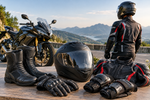
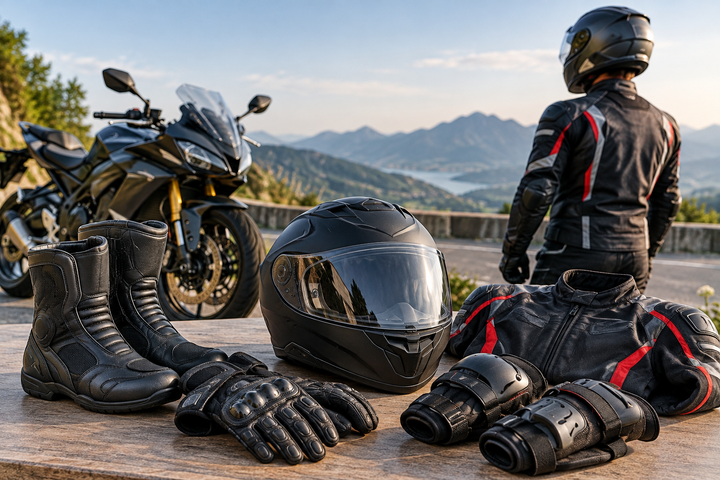
- Helmets
- Riding Jackets
- Riding Pants
- Gloves
- Boots
- Protective Armor
- Reflective Gear
- Eye Protection
- Communication Systems
- Airbag Systems
- Rain Protection Equipment
- Visibility Accessories
Equipment Categories Table
| Equipment Category | Examples |
|---|---|
| Head Protection | Full-Face Helmets, Modular Helmets |
| Body Protection | Jackets, Protective Armor |
| Hand Protection | Riding Gloves |
| Foot Protection | Motorcycle Boots |
| Visibility Equipment | Reflective Vests, High-Visibility Apparel |
| Weather Protection | Rain Gear, Thermal Layers |
| Advanced Protection | Airbag Jackets, Airbag Vests |
Key Features and Core Components
Important features found in modern motorcycle gear include:
- Impact protection
- Abrasion-resistant materials
- Reinforced construction
- Ventilation systems
- Waterproof protection
- Reflective elements
- Integrated armor
- Adjustable fit systems
- Weather resistance
- Rider comfort technologies
- Visibility enhancement features
Motorcycle Gear Comparison Table
| Gear Type | Primary Purpose | Protection Level | Common Use |
|---|---|---|---|
| Full-Face Helmet | Head Protection | High | Daily Riding, Touring |
| Riding Jacket | Upper Body Protection | High | All Riding Types |
| Riding Gloves | Hand Protection | Medium to High | Everyday Riding |
| Motorcycle Boots | Foot and Ankle Protection | High | Road and Touring Use |
| Airbag Vest | Impact Protection | High | Advanced Safety Applications |
| Reflective Gear | Visibility Enhancement | Medium | Night Riding |
What Is a Motorcycle Helmet?
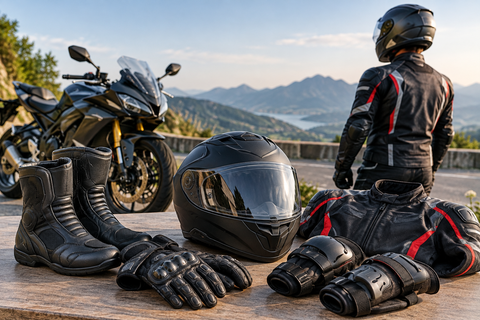
A motorcycle helmet is protective headgear designed to reduce the impact of collisions and protect the rider's head. Full-face helmets provide coverage for the entire head and face, while other designs offer varying levels of protection and comfort.
What Is Protective Riding Apparel?
Protective riding apparel includes jackets, pants, gloves, and boots designed specifically for motorcycle use. These garments often include protective armor and abrasion-resistant materials.
What Is High-Visibility Motorcycle Gear?
High-visibility gear uses bright colors and reflective materials to help riders become more noticeable to other road users, especially during low-light conditions.
Main Types of Motorcycle Gear
Helmets
Helmets are considered the foundation of motorcycle safety equipment. They help protect the head during impacts and shield riders from wind, dust, and debris.
Jackets and Protective Armor
Motorcycle jackets often include armor in critical areas such as shoulders, elbows, and back sections.
Gloves
Riding gloves improve grip while providing protection against impacts, weather conditions, and road abrasions.
Boots
Motorcycle boots provide ankle support and protection against impacts and environmental conditions.
Airbag Protection Systems
Airbag jackets and vests are emerging safety technologies designed to provide additional protection during accidents.
How Motorcycle Gear Works
- Protective materials absorb and distribute impact forces.
- Reinforced fabrics resist abrasion during slides.
- Armor components protect vulnerable body areas.
- Helmets help reduce impact forces affecting the head.
- Visibility equipment increases rider recognition.
- Weather-resistant materials improve comfort and focus.
- Safety technologies support rider awareness and protection.
Motorcycle Safety Best Practices
- Always wear a properly fitted helmet.
- Use protective riding apparel designed for motorcycle use.
- Check equipment condition regularly.
- Maintain motorcycle tires, brakes, and lighting systems.
- Increase visibility through reflective gear.
- Follow traffic regulations consistently.
- Maintain safe following distances.
- Avoid distractions while riding.
- Stay alert to changing road conditions.
- Continue rider education and skill development.
Benefits and Advantages
Motorcycle safety equipment provides numerous benefits:
- Improved rider protection
- Better visibility
- Increased riding comfort
- Enhanced weather protection
- Greater confidence on the road
- Improved hazard awareness
- Reduced exposure to environmental elements
- Better support during long-distance rides
- Increased rider preparedness
- Enhanced overall riding experience
Real-World Examples and Applications
Example: Daily Commuting
A commuter uses a full-face helmet, riding jacket, gloves, and reflective gear to improve visibility and protection during urban travel.
Example: Long-Distance Touring
A touring rider utilizes weather-resistant gear, communication systems, and protective boots to remain comfortable during extended trips.
Example: Rider Training Programs
Training participants wear certified safety equipment while learning hazard recognition, braking techniques, and vehicle control skills.
Example: Night Riding
A rider uses reflective apparel and enhanced lighting systems to improve visibility in low-light conditions.
Industry Applications
Recreational Riding
Safety gear supports protection and comfort during leisure riding activities.
Long-Distance Touring
Touring equipment focuses on comfort, weather protection, and rider endurance.
Rider Education
Training programs emphasize proper gear usage and safe riding practices.
Urban Transportation
Commuters utilize protective equipment for daily travel and traffic navigation.
Adventure Riding
Adventure riders use specialized protective gear designed for mixed terrain environments.
Important Factors to Consider
When selecting motorcycle gear, riders should consider:
- Proper fit
- Protection level
- Material quality
- Weather conditions
- Visibility requirements
- Comfort during extended use
- Ventilation features
- Maintenance requirements
- Riding style
- Safety certifications
Common Challenges and Solutions
| Challenge | Impact | Solution |
|---|---|---|
| Limited Visibility | Reduced Awareness | Reflective Gear and Lighting |
| Weather Exposure | Rider Discomfort | Weather-Resistant Apparel |
| Improper Fit | Reduced Protection | Correct Sizing and Adjustment |
| Equipment Wear | Reduced Performance | Regular Inspection |
| Rider Fatigue | Reduced Focus | Ergonomic Gear and Rest Breaks |
Safety Technologies and Innovations
Modern motorcycles increasingly incorporate advanced safety technologies.
Anti-Lock Braking Systems
Anti-lock braking systems help prevent wheel lock-up during braking.
Traction Control Systems
Traction control improves stability by managing wheel traction under varying conditions.
Rider Assistance Technologies
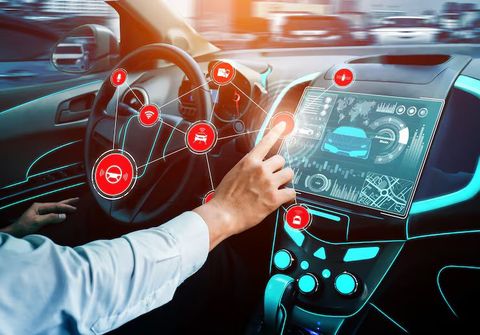
Advanced systems help improve awareness and support safer riding decisions.
Airbag Protection Systems
Wearable airbag technologies continue to expand within the motorcycle safety sector.
Smart Helmets
Some helmets integrate communication, navigation, and visibility-enhancing technologies.
Future Trends and Industry Insights
Motorcycle safety continues to evolve through technological innovation.
Connected Safety Technologies
Communication systems may improve information sharing between vehicles and riders.
Advanced Protective Materials
New materials are improving protection while maintaining rider comfort.
Intelligent Rider Assistance
Artificial intelligence technologies may support hazard detection and situational awareness.
Enhanced Visibility Systems
Future visibility technologies may further improve rider recognition in traffic.
Smart Safety Equipment
Integrated sensors and connected technologies are expected to become more common in motorcycle gear.
Expert Insights
Motorcycle safety is most effective when protective equipment, rider education, responsible riding practices, and vehicle maintenance work together. Modern gear is designed not only to provide protection but also to improve comfort, visibility, and rider confidence.
As safety technologies continue to develop, riders have access to more tools and equipment than ever before. Combining high-quality protective gear with strong riding habits remains a practical approach to improving safety on the road.
Key Takeaways
- Motorcycle gear helps improve rider protection and visibility.
- Helmets are among the most important pieces of safety equipment.
- Protective apparel provides impact and abrasion resistance.
- High-visibility gear improves recognition in traffic.
- Regular motorcycle maintenance supports safer operation.
- Rider education improves hazard awareness and decision-making.
- Advanced safety technologies continue to evolve.
- Properly fitted gear enhances comfort and protection.
Frequently Asked Questions (FAQ)
What is motorcycle safety gear?
Motorcycle safety gear includes helmets, jackets, gloves, boots, armor, and visibility equipment designed to improve rider protection.
Why is a helmet important?
A helmet helps protect the head from impacts and environmental hazards.
What type of helmet provides the most coverage?
Full-face helmets generally provide the most comprehensive coverage.
Why are motorcycle gloves important?
Gloves improve grip and help protect hands during riding and accidents.
What are motorcycle boots used for?
Motorcycle boots provide protection and support for feet and ankles.
What is high-visibility gear?
High-visibility gear uses bright colors and reflective materials to improve rider visibility.
What is motorcycle armor?
Motorcycle armor consists of protective inserts placed in jackets, pants, and other apparel.
Are airbag vests used in motorcycling?
Yes, airbag vests and jackets are advanced safety technologies designed to provide additional protection.
How often should motorcycle gear be inspected?
Equipment should be inspected regularly for wear, damage, and proper functionality.
What safety technology is commonly found on modern motorcycles?
Anti-lock braking systems and traction control systems are common safety technologies.
Why is motorcycle maintenance important for safety?
Proper maintenance helps ensure reliable braking, handling, and overall vehicle performance.
What should beginners focus on first?
Beginners should prioritize protective gear, rider training, and safe riding habits.
How does reflective gear improve safety?
Reflective materials help riders become more visible to other road users.
What factors should be considered when choosing riding gear?
Fit, protection level, comfort, weather suitability, and safety certifications are important considerations.
What is the future of motorcycle safety?
Future developments include smart helmets, connected safety systems, advanced materials, and intelligent rider assistance technologies.
Conclusion
Motorcycle gear and safety play a critical role in supporting rider protection, visibility, comfort, and confidence. Helmets, protective apparel, gloves, boots, armor, and visibility equipment work together to help riders navigate a wide range of road conditions.
As motorcycle safety technologies continue to advance, riders can benefit from improved protective materials, intelligent safety systems, and enhanced awareness tools. Understanding the purpose and proper use of motorcycle gear remains an important part of responsible and informed riding practices.