Explore Engine Block Boring Machines: Complete Guide, Basics, Working Process & Key Insights
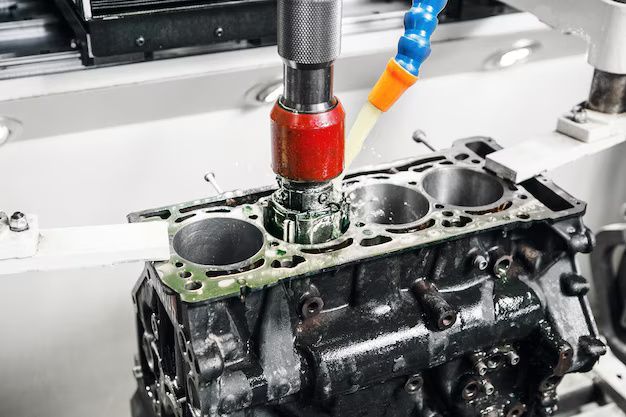
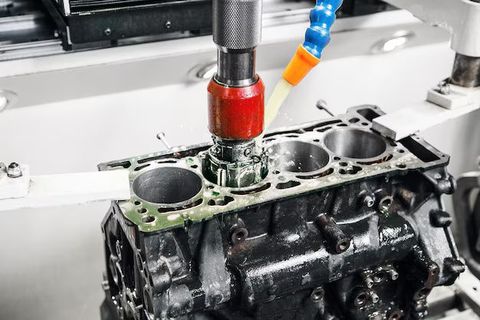
Engine Block Boring Machines play an important role in the maintenance and restoration of internal combustion engines. These machines are used to enlarge and refine the cylindrical holes in an engine block where pistons move. Over time, engine cylinders may experience wear, distortion, or surface irregularities, which can affect engine performance. Engine block boring helps restore the correct cylinder shape and size so that engine components function properly.
The concept of cylinder boring has existed for many decades alongside the development of automobile engines. As engines became more powerful and complex, machining equipment also evolved to handle precise measurements and accurate metal removal. Engine Block Boring Machines are designed to perform this work with controlled cutting tools that reshape the cylinder walls.
Today, these machines are used in automotive workshops, engine rebuilding facilities, manufacturing plants, and technical training institutions. Their main function is to maintain the accuracy and smoothness required for engine cylinders, which directly influences engine efficiency and durability.
Understanding how Engine Block Boring Machines operate helps explain an important part of the engine rebuilding process. For readers unfamiliar with mechanical systems, the concept can be viewed simply as a precision machining method that restores worn engine cylinders to a usable condition.
Importance
Engine cylinders operate under extreme conditions. Pistons move rapidly inside them while exposed to heat, pressure, and friction. Over long periods of operation, this movement gradually wears the cylinder walls. When wear becomes significant, the engine may lose compression or develop irregular performance.
Engine Block Boring Machines address these issues by restoring cylinder dimensions and surface quality. This process helps maintain proper piston movement and ensures that the engine continues functioning within its designed mechanical tolerances.
Several practical reasons explain why this process matters in modern engine maintenance:
- Engine longevity: Proper cylinder machining helps extend the usable life of engines by correcting wear and damage.
- Mechanical precision: Accurate cylinder dimensions help maintain correct piston clearance and alignment.
- Efficiency improvement: When cylinder walls are smooth and evenly shaped, combustion and piston movement become more stable.
- Component compatibility: Engine rebuilding often requires matching pistons and rings with newly machined cylinder sizes.
The importance of Engine Block Boring Machines becomes especially visible in industries where engines are used continuously. Transportation, construction equipment, agriculture machinery, and marine systems all depend on reliable engine operation. Proper machining helps maintain that reliability.
Even for everyday vehicle users, the work performed by these machines supports the long-term maintenance of engines that may undergo rebuilding during their operational life.
Recent Updates
Advances in manufacturing technology between 2024 and 2026 have influenced the design and capabilities of Engine Block Boring Machines. Modern equipment increasingly integrates digital measurement tools, automated controls, and precision alignment systems.
One notable trend is the integration of computerized measurement systems. These systems assist operators in monitoring cylinder dimensions during the boring process. Digital displays and sensors provide real-time feedback, allowing adjustments to maintain accurate machining.
Another development is improved rigidity in machine structures. Stronger frames and vibration-control designs help maintain stable cutting conditions. This stability contributes to smoother cylinder surfaces and more consistent machining outcomes.
Automation features are also appearing in newer equipment. Some machines include programmable controls that allow operators to input cylinder specifications. The machine then follows the programmed parameters during the machining process.
The following table summarizes common features found in modern Engine Block Boring Machines compared with earlier models.
| Feature | Traditional Machines | Modern Machines |
|---|---|---|
| Measurement Method | Manual gauges | Digital measurement systems |
| Control System | Manual adjustments | Programmable or automated controls |
| Alignment Process | Mechanical alignment tools | Laser or sensor-assisted alignment |
| Precision Monitoring | Periodic manual checks | Continuous monitoring through sensors |
| Data Recording | Limited documentation | Digital machining records |
These developments reflect broader trends in industrial machining equipment, where digital technology is gradually integrated with traditional mechanical systems.
Laws or Policies
Engine Block Boring Machines operate within broader manufacturing and workplace regulations rather than a single dedicated law. In many countries, including India, machining equipment used in workshops and industrial facilities must comply with workplace safety rules and machinery standards.
Several policy areas influence how these machines are used:
- Workplace safety regulations: Industrial safety guidelines require protective measures such as machine guards, proper operator training, and safe working procedures.
- Machinery standards: Manufacturing equipment must follow national or international technical standards related to mechanical safety and electrical systems.
- Environmental guidelines: Metal machining operations may generate metal particles, coolant fluids, or noise. Regulations may address waste handling and environmental impact.
- Industrial training programs: Technical training institutions often follow national education guidelines when teaching machining practices related to engine rebuilding.
In India, regulatory frameworks related to factory safety and workplace conditions influence how machining equipment is installed and operated. These regulations aim to ensure safe environments for workers and proper management of industrial equipment.
Understanding these policies helps explain the broader framework within which Engine Block Boring Machines are used in workshops and manufacturing facilities.
Tools and Resources
Several tools and informational resources support the operation and study of Engine Block Boring Machines. These resources help technicians measure cylinder dimensions, monitor machining accuracy, and maintain equipment.
Common tools used alongside boring machines include:
- Cylinder bore gauges: Measuring tools used to check cylinder diameter and roundness.
- Dial indicators: Precision instruments that measure small variations in alignment or movement.
- Surface roughness testers: Devices that evaluate the finish of cylinder walls after machining.
- Engine measurement manuals: Technical documents that provide specifications for different engine models.
- Digital machining software: Programs used in some modern equipment to track measurements and machine settings.
In addition to physical tools, several informational platforms support learning and research about engine machining technology. Educational websites, engineering databases, and automotive training portals often publish guides and technical references related to cylinder boring processes.
Technical standards organizations and mechanical engineering institutions also publish documentation about machining accuracy, tool design, and engine manufacturing practices. These resources help ensure that machining procedures follow recognized technical principles.
FAQs
What is an Engine Block Boring Machine?
An Engine Block Boring Machine is a machining device used to enlarge and reshape the cylinders inside an engine block. The machine removes small amounts of metal from cylinder walls to restore correct dimensions and surface quality.
Why are Engine Block Boring Machines used in engine rebuilding?
During long periods of engine operation, cylinder walls may develop wear or distortion. Engine Block Boring Machines help correct these issues by machining the cylinders to precise measurements, allowing pistons and rings to operate smoothly again.
How does the engine block boring process work?
The engine block is mounted securely on the machine. A cutting tool rotates and gradually removes material from the cylinder wall while maintaining precise alignment. Measurements are checked throughout the process to ensure accurate dimensions.
What industries commonly use Engine Block Boring Machines?
These machines are commonly used in automotive repair facilities, engine rebuilding workshops, manufacturing plants, and technical training institutes. They may also appear in industries that maintain heavy equipment engines.
Are modern Engine Block Boring Machines different from older machines?
Modern machines often include digital measurement tools, programmable controls, and improved structural stability. These features help operators monitor machining accuracy and maintain consistent cylinder dimensions.
Conclusion
Engine Block Boring Machines are specialized tools used to restore the cylindrical surfaces inside engine blocks. Their role in engine maintenance helps correct wear and maintain mechanical precision within internal combustion engines. Advances in machining technology have introduced digital measurement systems and automated controls that improve monitoring and accuracy.
Regulations related to workplace safety and machinery standards guide how these machines are operated in industrial environments. Supporting tools such as bore gauges, measurement instruments, and technical manuals help technicians maintain accurate machining results.
Understanding how Engine Block Boring Machines function provides insight into a key process involved in maintaining and rebuilding engines across many industries.