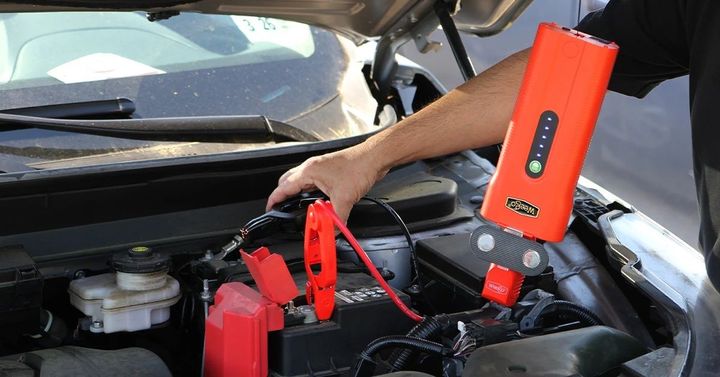
Portable Car Jump Starters Insights: Features & Safety
Portable car jump starters have become valuable emergency power devices for vehicle owners.
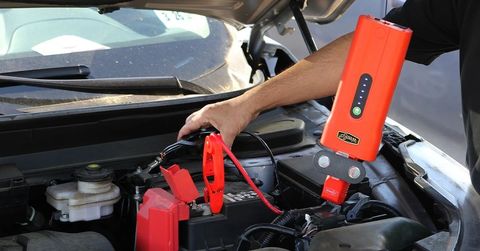
These compact battery-powered units are designed to provide sufficient starting power when a vehicle battery cannot start the engine. Unlike traditional jumper cables, portable jump starters operate independently and do not require a second vehicle.
Modern jump starter technology combines lithium battery systems, intelligent safety circuits, battery monitoring, USB charging capabilities, LED lighting, and compact designs. As battery technology continues to improve, portable jump starters are becoming more capable, lightweight, and convenient for everyday vehicle preparedness.
Portable Car Jump Starters at a Glance
Portable car jump starters are rechargeable power units designed to assist in starting vehicles with depleted batteries. Most modern models use lithium-ion or lithium iron phosphate battery technology and include built-in protection systems. In addition to vehicle starting support, many units provide portable power bank functions, emergency lighting, battery status indicators, and device charging capabilities.
Key Industry Facts
- Portable jump starters eliminate the need for a second vehicle during many battery-related emergencies.
- Lithium battery technology has significantly reduced unit size and weight.
- Many models include reverse-polarity protection and short-circuit protection.
- Modern units often support smartphones, tablets, laptops, and portable electronics.
- Some advanced models include air compressors and emergency lighting systems.
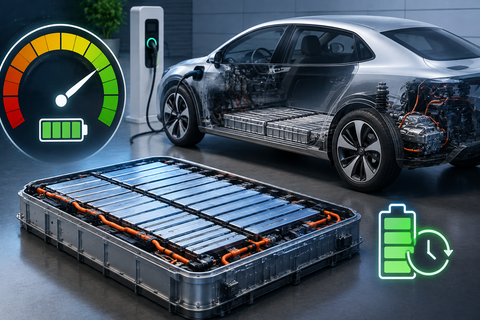
- Battery management systems help monitor charging and discharge conditions.
How Portable Car Jump Starters Work
Portable jump starters store electrical energy within an internal rechargeable battery.
The operating process generally includes:
- The unit is charged before use.
- Jumper clamps connect to the vehicle battery terminals.
- Safety circuitry verifies proper connections.
- High-current output is delivered to assist engine starting.
- The vehicle starter motor receives sufficient power.
- Once the engine starts, the jump starter can be disconnected.
Modern battery management systems help regulate power delivery and protect internal components.
Main Types of Portable Jump Starters
Lithium-Ion Jump Starters
Lithium-ion jump starters are widely used because of their lightweight construction and compact size.
Common characteristics include:
- Portable design
- Fast charging capability
- USB power output
- Digital battery indicators
- Emergency lighting
Lithium Iron Phosphate Jump Starters
Lithium iron phosphate technology emphasizes battery stability and long service life.
These units are often selected for:
- Frequent usage environments
- Enhanced thermal performance
- Long-term reliability
- Consistent power delivery
Multi-Function Jump Starters
Some models combine multiple emergency features within one device.
Additional functions may include:
- Portable air compressors
- USB charging ports
- LED flashlights
- Emergency warning lights
- Power bank functionality
Comparison Table
| Type | Primary Use | Key Feature |
|---|---|---|
| Lithium-Ion | General vehicle support | Lightweight design |
| Lithium Iron Phosphate | Long-term reliability | Enhanced battery lifespan |
| Multi-Function | Emergency preparedness | Multiple integrated tools |
| Compact Jump Starter | Everyday vehicle use | Easy storage |
| Heavy-Duty Jump Starter | Larger engines | Higher starting capacity |
Core Components
Internal Battery Pack
The battery pack stores the energy required for vehicle starting assistance.
Smart Battery Management System
This system monitors charging, temperature, voltage, and battery protection functions.
Jumper Clamps
Heavy-duty clamps transfer power to the vehicle battery.
Safety Protection Circuitry
Protective electronics help reduce risks associated with incorrect connections.
USB Charging Ports
Many units support charging for portable electronics and mobile devices.
LED Lighting System
Integrated lights can assist during roadside situations and low-light conditions.
Industry Applications
Portable car jump starters are used across numerous vehicle categories.
Personal Vehicles
Passenger cars commonly benefit from compact jump starter devices during battery-related issues.
Commercial Fleets
Fleet operators may keep jump starters available for vehicle support and maintenance operations.
Recreational Vehicles
Portable power devices can support vehicles that experience extended storage periods.
Outdoor Activities
Travelers, campers, and road-trip enthusiasts often include jump starters as part of emergency preparedness equipment.
Service Vehicles
Maintenance and support vehicles may use portable starting equipment for field operations.
Selection Factors
Several considerations can help evaluate portable jump starter options.
Vehicle Compatibility
The jump starter should match the vehicle's engine size and starting requirements.
Battery Technology
Different battery chemistries offer varying characteristics regarding lifespan, weight, and performance.
Portability
Compact units are easier to store and transport.
Safety Features
Important safety features may include:
- Reverse-polarity protection
- Overcurrent protection
- Short-circuit protection
- Overcharge protection
- Temperature monitoring
Charging Options
Multiple charging methods can improve convenience and flexibility.
Additional Functions
Some users may prefer integrated lighting, device charging, or air compressor functionality.
Benefits
Portable car jump starters provide several practical advantages.
- Independent starting assistance
- Compact storage requirements
- Rechargeable battery operation
- Emergency preparedness support
- USB charging functionality
- Integrated safety systems
- Portable power bank capability
- LED emergency lighting
- Reduced dependence on another vehicle
- Convenient roadside readiness
- Support for multiple vehicle types
- Versatile emergency-use applications
Challenges and Limitations
While useful, portable jump starters also have limitations.
- Internal batteries require periodic charging.
- Performance may vary under extreme temperatures.
- Compatibility depends on vehicle requirements.
- Battery capacity declines over time.
- Improper storage may affect performance.
- Larger engines may require higher-capacity units.
Understanding these factors helps users maintain realistic expectations.
Safety Considerations
Safe operation remains important when using portable jump starters.
Recommended practices include:
- Following manufacturer instructions
- Verifying correct terminal connections
- Inspecting cables and clamps regularly
- Avoiding damaged batteries
- Storing equipment properly
- Monitoring charging conditions
- Keeping units away from excessive heat
- Using appropriate personal safety precautions
Safety systems help reduce risk, but proper handling remains essential.
Industry Standards and Compliance
Many portable jump starters incorporate electrical safety features designed to support safe operation.
Common protective functions may include:
- Reverse-polarity detection
- Overload protection
- Over-voltage protection
- Short-circuit protection
- Thermal monitoring
- Battery management controls
Compliance requirements vary by manufacturer, market, and product category.
Latest Technology Trends
Portable jump starter technology continues to evolve.
Advanced Battery Chemistry
New battery technologies focus on improved lifespan, efficiency, and power density.
Smart Monitoring
Digital displays provide real-time battery and operating information.
Fast Charging Systems
Improved charging technology helps reduce recharge times.
Integrated Emergency Equipment
Some devices combine starting assistance, air inflation, emergency lighting, and portable power functions.
Enhanced Battery Management
Modern electronics improve charging control and operational monitoring.
Expert Insights
Vehicle batteries can experience performance declines due to temperature changes, inactivity, electrical loads, and aging. Portable jump starters provide a compact solution that combines emergency starting capability with modern battery management and safety technologies. As battery systems become more advanced, portable units continue to expand beyond simple jump-start functionality into broader vehicle preparedness tools.
Key Takeaways
- Portable jump starters provide independent vehicle starting assistance.
- Lithium battery technology enables compact and lightweight designs.
- Modern units often include USB charging and LED lighting.
- Safety systems help monitor electrical conditions.
- Vehicle compatibility should be evaluated before selection.
- Regular charging helps maintain readiness.
- Advanced battery management improves reliability.
- Multi-function models support broader emergency preparedness needs.
Frequently Asked Questions
What is a portable car jump starter?
A portable car jump starter is a rechargeable device that provides temporary starting power for vehicles with depleted batteries.
Do portable jump starters require another vehicle?
No. Portable jump starters operate independently and do not require a second vehicle.
What battery technology is commonly used?
Most modern units use lithium-ion or lithium iron phosphate battery systems.
Can portable jump starters charge phones and tablets?
Many models include USB charging ports that support mobile devices and portable electronics.
How often should a jump starter be charged?
Charging frequency depends on battery type, storage conditions, and manufacturer recommendations.
Are portable jump starters safe to use?
Most modern units include protective systems such as reverse-polarity protection, short-circuit protection, and battery management controls.
Can they support larger vehicles?
Compatibility depends on the unit's starting capacity and the vehicle's engine requirements.
What additional features are commonly included?
Many units include LED lighting, USB charging, battery indicators, and portable power functions.
How long do portable jump starter batteries last?
Battery lifespan varies according to usage, storage conditions, charging practices, and battery technology.
Can jump starters be stored in vehicles?
Many are designed for vehicle storage, though temperature conditions and maintenance recommendations should be considered.
Conclusion
Portable car jump starters have evolved into versatile emergency power devices that combine vehicle starting support, battery management technology, portable charging capabilities, and safety features within compact designs. Their ability to operate independently makes them a useful addition to vehicle preparedness equipment.
Understanding battery technologies, safety systems, compatibility requirements, maintenance considerations, and emerging developments can help users evaluate portable jump starters more effectively. As battery and electronics technology continue to improve, these devices are likely to become increasingly capable, reliable, and multifunctional.