Exploring Cold Rolled Steel: Facts, Knowledge, and Helpful Resources for Better Understanding
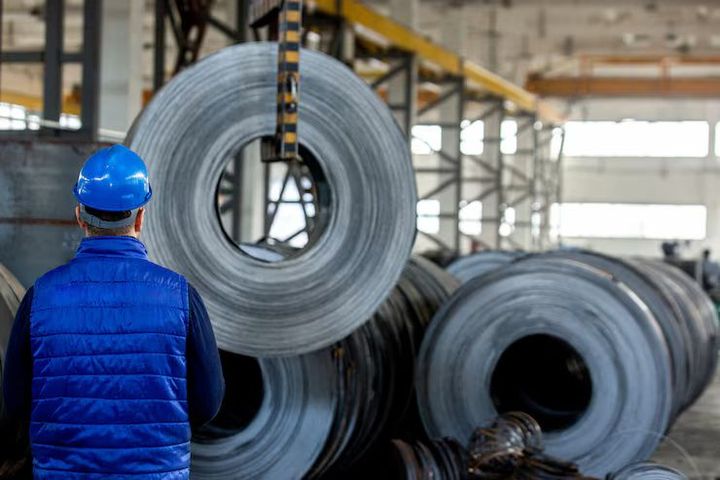
What Cold Rolled Steel Is and Where It Comes From Cold rolled steel is a type of processed steel that is shaped and refined through a manufacturing technique known as cold rolling. In this process, steel sheets or coils are passed through rollers at room temperature after the metal has already been hot rolled. The purpose of this step is to improve the surface quality, thickness precision, and mechanical properties of the steel.
The development of cold rolled steel is closely linked to the broader evolution of the steel industry. As manufacturing and construction expanded during the twentieth century, industries required steel with tighter tolerances and smoother finishes than hot rolled steel could provide. Cold rolling became an effective method to meet these requirements.
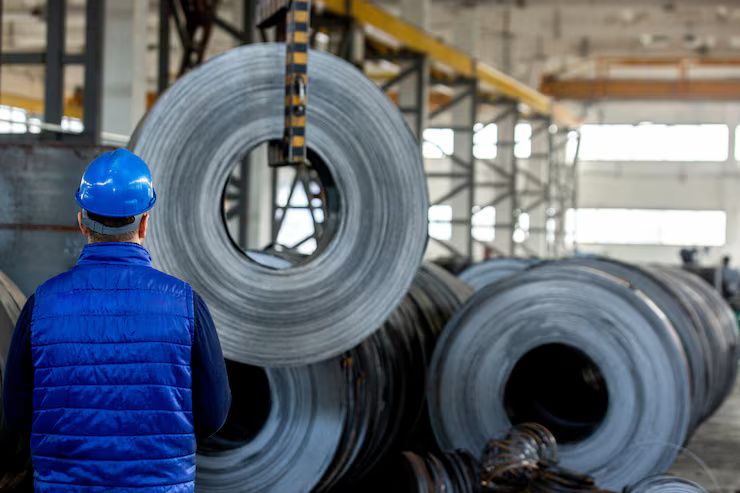
Today, cold rolled steel is widely used in various sectors such as automotive manufacturing, appliances, electronics, construction materials, and metal furniture. Its uniform thickness and refined surface make it suitable for applications where appearance and structural consistency matter.
How the Cold Rolling Process Works
The cold rolling process typically follows hot rolling. Steel first goes through hot rolling at high temperatures, which forms the basic shape of the material. After cooling, the steel is passed through rollers at room temperature to reduce thickness and improve dimensional accuracy.
The main steps often include:
- Pickling stage: The steel surface is cleaned using acidic solutions to remove scale and oxidation that formed during hot rolling.
- Cold reduction: The cleaned steel is passed through rolling mills that compress the metal and reduce its thickness.
- Annealing: The steel may be heated again in a controlled environment to restore ductility and reduce internal stress created during rolling.
- Finishing and temper rolling: A final light rolling stage refines the surface and improves mechanical characteristics.
This sequence creates steel with smoother surfaces and tighter thickness control compared with hot rolled products.
Importance
Why Cold Rolled Steel Matters in Modern Manufacturing
Cold rolled steel plays a significant role in industries that require precision and consistent material properties. Many manufactured goods rely on steel sheets that maintain uniform thickness and predictable performance under stress.
For example, automotive components such as body panels and structural parts often require smooth surfaces and exact measurements. Cold rolled steel allows manufacturers to produce these components with improved dimensional accuracy.
Similarly, appliances like refrigerators, washing machines, and ovens frequently use cold rolled steel for outer panels and internal frames. The material provides a clean surface suitable for coatings and painting while maintaining structural strength.
Industries That Commonly Use Cold Rolled Steel
Cold rolled steel appears in a wide range of everyday products and industrial systems. Common application areas include:
- Automotive manufacturing: body panels, structural supports, and reinforcement parts
- Household appliances: panels, casings, and internal frames
- Construction materials: structural components, metal studs, and roofing elements
- Electrical equipment: cabinets, control panels, and transformer parts
- Furniture manufacturing: metal desks, shelving units, and cabinets
Because of its improved finish and formability, cold rolled steel is particularly suitable for products that require shaping, bending, or surface treatments.
Comparison With Hot Rolled Steel
Both hot rolled steel and cold rolled steel originate from similar raw materials but differ in processing and characteristics.
| Feature | Cold Rolled Steel | Hot Rolled Steel |
|---|---|---|
| Processing temperature | Room temperature rolling | High temperature rolling |
| Surface finish | Smooth and refined | Rougher surface texture |
| Dimensional accuracy | Higher precision | Lower precision |
| Strength characteristics | Often higher yield strength | Slightly more ductile |
| Typical applications | Appliances, automotive panels, electronics | Structural beams, rails, construction frames |
These differences help manufacturers choose the appropriate material depending on performance and appearance requirements.
Recent Updates
Developments in Cold Rolled Steel Production
Between 2024 and 2026, several developments in steel manufacturing have influenced how cold rolled steel is produced and used. Many steel producers are focusing on improving energy efficiency and reducing emissions during production.
One notable trend is the growing integration of electric arc furnace technology and recycling processes. These methods allow steelmakers to reuse scrap metal and reduce the environmental impact of steel production. Cold rolled steel produced from recycled sources is increasingly used in manufacturing.
Another trend involves digital monitoring systems in rolling mills. Sensors and automation tools allow producers to measure thickness, temperature, and surface conditions during production. This technology helps maintain consistent quality throughout the cold rolling process.
Growth of Advanced Steel Grades
Researchers and manufacturers are also developing advanced high-strength steel grades that go through cold rolling. These materials are designed to provide greater strength while remaining lightweight.
Such developments are particularly relevant in automotive engineering, where vehicle designs often aim to reduce weight while maintaining safety standards. Cold rolled advanced steels help engineers meet structural requirements without increasing material thickness.
Laws or Policies
Regulations Related to Steel Manufacturing
Cold rolled steel production and use are influenced by various industrial and environmental regulations. Governments in many countries regulate steel manufacturing to address workplace safety, emissions, and material standards.
Common regulatory areas include:
- Environmental controls: Regulations that limit emissions, energy consumption, and industrial waste during steel production.
- Material quality standards: Standards that define chemical composition, mechanical properties, and testing procedures for steel products.
- Worker safety rules: Requirements related to protective equipment, machinery operation, and workplace safety conditions.
These regulations help ensure that steel manufacturing operates within environmental and safety guidelines.
International Standards for Steel Products
Several international organizations publish standards that guide the production and testing of cold rolled steel. These standards allow manufacturers across different countries to maintain consistent specifications.
Common examples include:
- ISO standards: Provide global guidelines for steel composition, dimensions, and testing methods.
- ASTM standards: Widely referenced for steel material properties and mechanical testing procedures.
- EN standards: Used in many European industrial and engineering sectors.
Such standards help ensure compatibility between steel materials and engineering systems used in different regions.
Tools and Resources
Educational Platforms and Technical References
People interested in learning about cold rolled steel can access a variety of educational resources and technical materials. These resources help explain manufacturing processes, material properties, and industrial applications.
Some widely used information sources include:
- Steel industry associations: Organizations such as World Steel Association publish research reports, industry data, and educational materials about steel production.
- International standards organizations: Platforms like International Organization for Standardization provide documentation describing material standards used in steel manufacturing.
- Engineering research libraries: Universities and engineering institutes often maintain digital libraries containing research papers and technical publications related to steel materials.
Digital Tools for Learning About Steel Properties
Various technical tools can assist students, engineers, and researchers in understanding cold rolled steel properties. These tools often appear in engineering education platforms and material science websites.
Examples include:
- Material property databases: Platforms that compile data about steel grades, tensile strength, and chemical composition.
- Engineering calculators: Tools used to estimate stress, load capacity, and material performance in structural design.
- Manufacturing process simulators: Educational software that demonstrates rolling processes and metal deformation behavior.
Such resources help readers explore the technical aspects of cold rolled steel beyond basic descriptions.
FAQs
What is cold rolled steel and how is it different from hot rolled steel?
Cold rolled steel is steel that has been processed through rollers at room temperature after initial hot rolling. This method improves surface finish, dimensional accuracy, and strength characteristics compared with hot rolled steel, which is shaped at higher temperatures.
What are common uses of cold rolled steel?
Cold rolled steel is commonly used in automotive components, home appliances, metal furniture, electrical equipment, and construction materials. Its smooth surface and consistent thickness make it suitable for applications requiring precise shaping and finishing.
Why is cold rolled steel important in manufacturing?
Cold rolled steel helps manufacturers produce components with accurate dimensions and consistent mechanical properties. These qualities support production processes in industries such as automotive engineering, electronics, and appliance manufacturing.
Does cold rolled steel have higher strength than hot rolled steel?
In many cases, cold rolled steel exhibits higher yield strength because the rolling process increases the density of the metal structure. However, hot rolled steel may remain more ductile, which can be useful for certain structural applications.
Where can people learn more about cold rolled steel knowledge and resources?
Educational materials about cold rolled steel are available through engineering textbooks, academic research libraries, and organizations such as the World Steel Association and the International Organization for Standardization. These sources explain manufacturing processes, material properties, and industrial standards.
Conclusion
Cold rolled steel is an important material produced through a rolling process that occurs at room temperature after hot rolling. This technique improves surface quality, dimensional accuracy, and mechanical properties, making the material useful for many industrial applications.
The material plays a significant role in sectors such as automotive manufacturing, appliances, electronics, and construction. Advances in digital manufacturing technologies and environmentally conscious production methods continue to influence how cold rolled steel is produced.
Understanding the processes, standards, and applications associated with cold rolled steel helps readers appreciate its role in modern manufacturing and infrastructure systems.