Exploring Dairy Products: Facts, Details, and Key Information to Understand Better
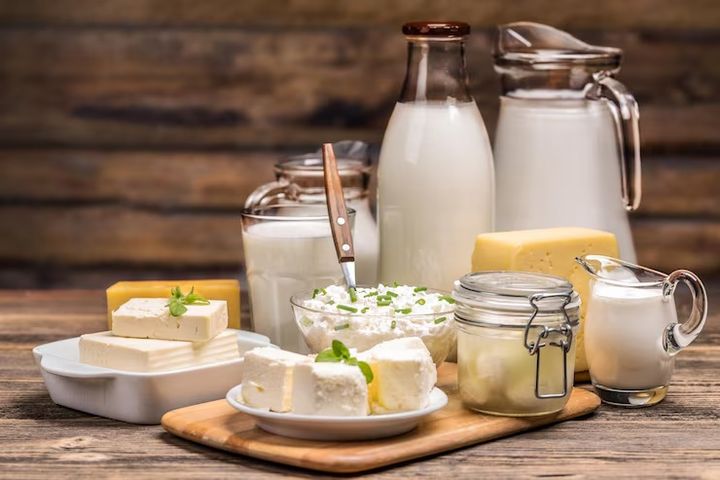
Dairy products are foods made from the milk of mammals, most commonly cows, buffalo, goats, and sheep. For thousands of years, milk and its processed forms have been part of everyday diets across many cultures. Traditional practices such as fermentation, churning, and heating have been used to transform milk into a variety of foods that last longer and provide different textures and flavors.
Common dairy products include milk, yogurt, butter, cheese, and cream. Each product is created through a specific process that changes the composition of milk. For example, fermentation introduces beneficial microorganisms that alter milk sugars, while churning separates fat to produce butter.
Milk contains several nutrients including protein, calcium, vitamins, and fats. Because of this composition, dairy products often appear in dietary guidelines around the world. However, the types and amounts of dairy consumed can vary widely depending on cultural habits, regional agriculture, and individual dietary preferences.
Over time, the dairy industry has developed new processing methods that improve storage, transportation, and safety. Techniques such as pasteurization and refrigeration allow milk products to reach wider populations while maintaining quality standards.
Common Types of Dairy Products
Different dairy foods are created through specific processes that change the properties of milk.
- Milk: a liquid product obtained from animals such as cows and buffalo, often pasteurized before consumption.
- Yogurt: made through fermentation using bacteria that convert lactose into lactic acid.
- Cheese: produced by coagulating milk proteins and separating solid curds from liquid whey.
- Butter: formed by churning cream until milk fat separates.
- Cream: the higher-fat portion that rises to the surface of milk.
These variations demonstrate how a single raw ingredient can produce many different foods through relatively simple transformations.
Basic Nutritional Composition of Milk
Milk contains several components that influence how dairy products are formed and used in cooking.
| Component | Typical Role in Dairy Products |
|---|---|
| Water | Main liquid portion of milk |
| Protein | Forms curds in cheese and yogurt |
| Fat | Contributes to texture and flavor |
| Lactose | Natural sugar that ferments in yogurt |
| Minerals | Includes calcium and phosphorus |
The balance of these elements can vary depending on the animal source and processing method.
Importance
Dairy products play an important role in global food systems and everyday nutrition. Many communities rely on milk production as a key agricultural activity, supporting both rural livelihoods and food supply chains.
From a dietary perspective, dairy foods are often included in meals because they contain nutrients associated with bone development and muscle maintenance. Calcium and protein are frequently discussed in relation to dairy consumption, especially during childhood and adolescence when growth occurs rapidly.
However, dairy products affect individuals differently. Some people experience lactose intolerance, a condition where the body has difficulty digesting lactose, the natural sugar in milk. In such cases, fermented dairy products like yogurt may be easier to digest because fermentation reduces lactose levels.
Dairy products also contribute to culinary traditions across the world. Many cultural cuisines incorporate specific dairy foods that reflect local agricultural practices. For example:
- Fermented yogurt drinks are widely consumed in parts of South Asia and the Middle East.
- A wide variety of cheeses appear in European cooking.
- Butter and clarified butter are commonly used in cooking across South Asia.
These traditions demonstrate how dairy foods serve both nutritional and cultural purposes.
Environmental and Agricultural Considerations
Modern discussions about dairy production often include environmental and agricultural considerations. Dairy farming requires land, water, and animal feed, which influence resource use in agricultural systems.
Some current discussions related to dairy production include:
- livestock management practices that influence animal welfare
- resource efficiency in feed production
- waste management and methane emissions from livestock
- innovations in dairy processing and storage
These discussions reflect broader interest in sustainable food production and responsible agricultural practices.
Recent Updates
Between 2024 and 2026, several developments have shaped discussions around dairy products and the broader dairy industry. Many of these changes relate to technology, dietary preferences, and agricultural practices.
Advances in Dairy Processing Technology
New processing technologies continue to improve how dairy products are produced and stored. Improved filtration techniques allow manufacturers to adjust protein or lactose levels in milk. These methods can produce milk varieties with modified nutrient profiles while maintaining food safety standards.
Automation has also become more common in dairy processing plants. Automated systems can monitor temperature, bacterial levels, and processing steps with greater accuracy, helping maintain consistent quality.
Growth of Alternative Dairy Options
In recent years, there has been growing interest in plant-based alternatives made from ingredients such as soy, oats, and almonds. These products are sometimes used by people who avoid traditional dairy products due to dietary preferences or lactose intolerance.
Although plant-based alternatives exist, traditional dairy products continue to remain a significant part of global food consumption. The two categories now coexist in many markets, expanding the range of choices available to consumers.
Increased Transparency in Food Labeling
Another trend involves clearer labeling on dairy products. Food labels increasingly provide detailed information about ingredients, nutritional content, and processing methods. These labeling practices aim to help consumers understand what is present in dairy foods and how they are produced.
Digital traceability systems are also emerging in some dairy supply chains. These systems track milk from farm to processing facilities, supporting transparency and quality monitoring.
Laws or Policies
Dairy products are regulated through food safety laws that aim to protect public health and ensure consistent product standards. Regulations generally address areas such as hygiene, processing requirements, labeling, and quality control.
In India, dairy products are regulated by the Food Safety and Standards Authority of India. This organization establishes guidelines for milk processing, packaging, and labeling under the Food Safety and Standards Act.
Key Regulatory Areas
Government regulations related to dairy products commonly focus on several areas:
- milk quality standards that define acceptable levels of fat and solids
- pasteurization requirements that reduce harmful microorganisms
- labeling rules that list ingredients and nutritional information
- hygiene standards for dairy farms and processing facilities
These regulations help maintain consistent quality across dairy products distributed within the country.
International Food Standards
Global organizations also contribute to dairy regulation frameworks. For example, the Codex Alimentarius Commission develops international guidelines for food safety and quality.
These guidelines support trade and help countries align food safety practices with internationally recognized standards. While each country maintains its own regulations, international frameworks often influence national policies.
Tools and Resources
Various tools and information platforms help individuals understand dairy products, nutrition, and food safety practices. These resources are used by students, researchers, farmers, and the general public.
Nutrition Information Platforms
Online nutrition databases provide detailed information about dairy foods, including nutrient composition and serving sizes. Examples include resources published by the Food and Agriculture Organization and national nutrition institutes.
These platforms allow users to compare nutritional values across different dairy products such as milk, yogurt, and cheese.
Food Safety Guidelines
Government websites frequently publish educational materials about safe storage and handling of dairy products. These resources explain topics such as refrigeration practices, expiration labeling, and contamination prevention.
Educational guides often include:
- recommended storage temperatures for milk and yogurt
- explanations of pasteurization and food safety processes
- guidance on identifying signs of spoilage
These materials help individuals understand how dairy products are handled throughout the food supply chain.
Agricultural Knowledge Platforms
Farmers and agricultural professionals often use digital platforms that share information about livestock management and milk production. These resources provide insights into animal nutrition, milk quality testing, and farm management practices.
Such platforms contribute to knowledge exchange across the dairy sector, supporting improved agricultural practices and production methods.
FAQs
What are dairy products and how are they made?
Dairy products are foods created from animal milk through processes such as fermentation, coagulation, or churning. Examples include milk, yogurt, butter, and cheese. Each product forms through a different method that changes the texture and composition of milk.
Are dairy products part of many global diets?
Yes, dairy products appear in many traditional diets across different regions. Cultural practices and agricultural conditions influence how dairy foods are prepared and consumed in various cuisines.
Why do some people avoid dairy products?
Some individuals experience lactose intolerance, which affects the digestion of lactose in milk. Others may choose to limit dairy products due to dietary preferences, allergies, or lifestyle choices.
How are dairy products regulated in India?
Dairy products in India are regulated by the Food Safety and Standards Authority of India. Regulations cover processing standards, labeling requirements, and hygiene practices in dairy production.
Do fermented dairy products contain different nutrients?
Fermented dairy products such as yogurt undergo bacterial fermentation that changes certain components of milk. This process can influence lactose levels and create different textures and flavors compared with fresh milk.
Conclusion
Dairy products have been part of human diets for centuries and continue to play an important role in global food systems. Through processes such as fermentation and churning, milk can be transformed into a wide range of foods with distinct textures and nutritional characteristics. Modern developments in processing technology, food labeling, and agricultural practices continue to shape how dairy products are produced and understood. Regulations and educational resources help ensure that dairy foods remain safe and transparent for consumers. Understanding how dairy products are made and regulated provides useful insight into one of the most widely consumed food categories.