Exploring Food Plant Machinery: Basics, Applications, and Informative Tips to Learn More
Food plant machinery refers to the equipment and mechanical systems used to process, prepare, package, and handle food products in manufacturing environments. These machines support various stages of food production, from raw material preparation to packaging and storage. As food demand increases across growing populations, organized processing systems help maintain consistent quality and efficiency.
Historically, food preparation relied mainly on manual work in small kitchens or local workshops. Over time, industrialization introduced automated and semi-automated machinery designed to handle large quantities of ingredients. Modern food plant machinery now includes equipment such as mixers, grinders, conveyors, filling systems, and thermal processing units.
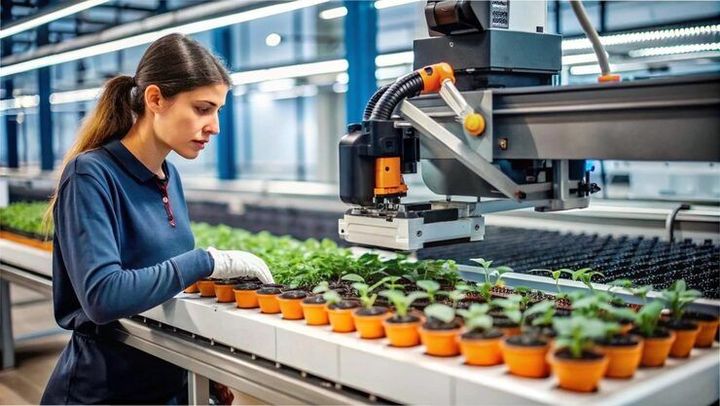
The primary purpose of these systems is to support safe and organized food production. They help maintain uniform processing conditions, control contamination risks, and allow manufacturers to handle large volumes of food materials in a structured way.
Food plant machinery is commonly used in industries producing packaged foods, dairy items, baked goods, beverages, frozen meals, and many other products. Understanding the basics of these machines helps readers learn how food products move from agricultural sources to packaged items available in markets.
Importance
Food production systems must meet the needs of growing urban populations while maintaining safety and quality standards. Food plant machinery plays an important role in helping manufacturers process ingredients efficiently and maintain consistent results.
Supporting Large-Scale Food Processing
Modern food facilities often process thousands of kilograms of ingredients daily. Machinery helps manage this scale by automating repetitive tasks such as mixing, cutting, heating, and packaging.
Key contributions of food plant machinery include:
- Ingredient preparation: Equipment such as washing systems, peelers, and grinders prepare raw materials for further processing.
- Processing operations: Machines such as mixers, extruders, and cooking units transform ingredients into finished products.
- Packaging operations: Filling machines, sealing units, and labeling equipment prepare food products for distribution.
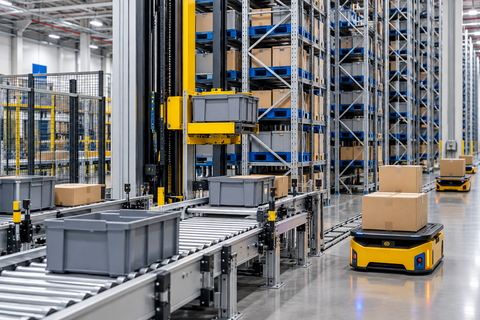
- Material movement: Conveyor systems transport ingredients and finished products through production lines.
Maintaining Food Safety
Consistent processing conditions are essential for preventing contamination and maintaining food safety. Machinery helps control temperature, pressure, and hygiene conditions during production.
For example:
- Heating systems reduce harmful microorganisms in processed foods.
- Automated handling reduces direct contact with food materials.
- Controlled environments support sanitary production practices.
Supporting Diverse Food Products
Different types of food plant machinery support different categories of food products. The following table illustrates several common categories of equipment and their typical applications.
| Machinery Category | Primary Function | Example Applications |
|---|---|---|
| Mixing Equipment | Blends ingredients into uniform mixtures | Dough preparation, sauces |
| Grinding Machines | Reduces particle size of raw materials | Spices, grains |
| Thermal Processing Units | Applies controlled heating or cooling | Pasteurization, cooking |
| Filling and Packaging Systems | Places food products into containers | Bottled beverages, packaged snacks |
| Conveyor Systems | Moves materials between processing stages | Assembly lines in food plants |
Understanding these categories helps readers recognize how machinery supports different steps in food production.
Recent Updates
Food plant machinery continues to evolve as manufacturers explore improved processing methods and digital technologies. Developments between 2024 and 2026 show several emerging trends in food production equipment.
Automation and Smart Monitoring
Manufacturers increasingly integrate sensors and monitoring systems into processing equipment. These technologies track factors such as temperature, pressure, and production speed.
Automation helps maintain consistent production conditions and allows operators to monitor equipment performance through digital dashboards.
Energy-Efficient Equipment Design
Energy consumption is an important consideration in large food plants. New machinery designs focus on reducing power usage while maintaining stable processing conditions.
Examples include improved insulation in thermal equipment and optimized motors in conveyor systems.
Hygienic Equipment Construction
Food safety regulations encourage machinery designs that simplify cleaning and maintenance. Stainless steel structures, smooth surfaces, and sealed components reduce areas where residues could accumulate.
These design changes help maintain sanitary production environments and reduce contamination risks.
Modular Processing Systems
Some modern food plants use modular equipment arrangements that allow facilities to adjust production lines for different food products. Modular configurations allow processors to adapt equipment layouts without rebuilding entire production areas.
Laws or Policies
Food processing industries operate under regulatory frameworks that aim to maintain food safety and public health. In India, several regulations influence how food plant machinery is used within manufacturing facilities.
One important authority is the Food Safety and Standards Authority of India, commonly known as FSSAI. This organization oversees food safety regulations and establishes standards for food processing practices.
Food Safety Standards
FSSAI regulations include guidelines related to:
- Hygiene conditions in food processing environments
- Equipment design that supports safe food handling
- Sanitation procedures for processing machinery
- Temperature control during food preparation and storage
Manufacturers must ensure that machinery used in food plants supports these regulatory requirements.
International Food Safety Frameworks
In addition to national rules, many food manufacturers follow international safety frameworks such as the Hazard Analysis and Critical Control Points system. HACCP focuses on identifying potential food safety risks and establishing monitoring procedures.
Food plant machinery often includes monitoring instruments that help track critical control points during production.
Equipment Certification and Inspection
Processing facilities may undergo periodic inspections to confirm that machinery and processing environments comply with established safety guidelines. Documentation and maintenance records are typically maintained to demonstrate compliance with food safety regulations.
Tools and Resources
Understanding food plant machinery can be easier when using educational resources and technical tools that explain processing systems and equipment operation.
Several digital platforms and learning resources help readers explore food processing technologies.
Technical Standards and Guidelines
Organizations publish documents that explain machinery design and food safety practices. For example, the International Organization for Standardization provides guidelines related to food safety management systems and industrial equipment standards.
These documents help engineers and manufacturers understand common safety principles used in food processing environments.
Educational Platforms
Online learning platforms and technical institutes often publish educational materials about food processing equipment. These resources may include:
- Training modules explaining machinery components
- Interactive diagrams of processing systems
- Demonstrations of industrial food production workflows
Such materials help readers understand how food plant machinery operates within modern manufacturing facilities.
Production Monitoring Software
Digital monitoring tools help track processing parameters across production lines. These platforms may record information such as:
- Equipment temperature and pressure
- Production speed
- Maintenance schedules
- Equipment performance data
Data collected from monitoring systems helps operators maintain consistent production conditions.
Maintenance and Inspection Templates
Food processing facilities often use structured documentation templates for routine equipment checks. These templates typically include:
- Equipment inspection checklists
- Cleaning verification records
- Machinery maintenance schedules
- Production monitoring logs
These tools help maintain organized documentation and support compliance with food safety regulations.
FAQs
What is food plant machinery?
Food plant machinery refers to equipment used to process, prepare, package, and handle food products in manufacturing environments. These machines support tasks such as mixing ingredients, grinding materials, heating food, and packaging finished products.
Why is food plant machinery important in food processing?
Food plant machinery helps maintain consistent production conditions and supports large-scale food preparation. It also assists in maintaining sanitation standards and reducing contamination risks during food manufacturing.
What are common types of food plant machinery?
Common categories of food plant machinery include mixing equipment, grinding machines, thermal processing units, packaging systems, and conveyor systems. Each type performs specific tasks during different stages of food production.
How do regulations affect food plant machinery?
Food safety regulations require machinery used in processing facilities to meet hygiene and operational standards. Guidelines from authorities such as the Food Safety and Standards Authority of India influence how equipment is designed, maintained, and used.
How can someone learn more about food plant machinery?
Educational resources such as technical standards, online training materials, and industrial engineering courses provide information about food plant machinery. These resources explain processing systems, equipment design, and safety practices.
Conclusion
Food plant machinery plays an essential role in modern food production by supporting organized processing, packaging, and handling of food products. These machines help maintain consistent production conditions and assist manufacturers in meeting safety guidelines. Developments in automation, monitoring technology, and equipment design continue to shape how food processing facilities operate. Understanding the basics of food plant machinery provides useful insight into the systems that support large-scale food manufacturing.