Industrial chemicals refer to a wide range of substances used in manufacturing, processing, and production across many sectors. They include basic chemicals such as acids, solvents, and polymers, as well as specialty chemicals created for specific applications. These substances exist because modern industries require materials that support large-scale manufacturing, durable product creation, and efficient processing.
The development of industrial chemicals has been shaped by technological progress, economic demand, and the need to improve production methods. They play a central role in sectors such as construction, agriculture, electronics, textiles, energy, and transportation. Industrial chemicals also enable processes like cleaning, coating, preserving, and bonding materials that would otherwise be difficult to manufacture or maintain.
Over time, research has advanced the understanding of chemical behavior, making it possible to design compounds with enhanced stability, reactivity, or environmental performance. This has contributed to the growth of specialized chemicals that support more precise manufacturing processes.
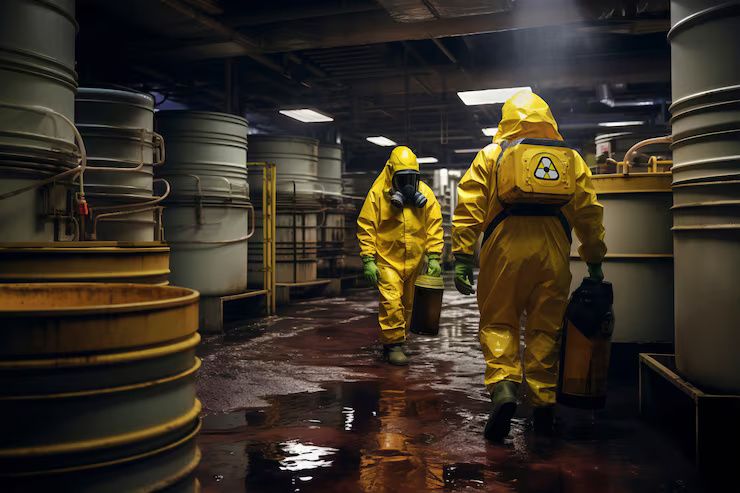
Importance
Industrial chemicals matter today because they support essential infrastructure, consumer goods, and technological development. Nearly every manufactured product relies on some form of chemical input, making them foundational to modern life.
They affect a broad audience, including:
-
Manufacturing companies that rely on chemicals for processing
-
Engineers and technicians working with materials and equipment
-
Researchers developing new compounds and materials
-
Communities that depend on sectors like agriculture, construction, and energy
-
Environmental and regulatory agencies that evaluate chemical safety
Industrial chemicals help solve several practical challenges:
-
Efficient production. Chemicals contribute to faster processing, improved consistency, and reduced material waste.
-
Material durability. Additives can strengthen materials, increase resistance to wear, or enhance stability.
-
Technological improvement. Semiconductor manufacturing, battery development, and renewable energy depend on precise chemical formulations.
-
Safety and hygiene. Chemicals support sanitation, water treatment, and material preservation.
-
Food and agricultural productivity. Fertilizers, soil conditioners, and other compounds help maintain crop yields.
Industrial chemicals are also important for economic growth. They support the creation of high-value products, supply chain stability, and technological innovation across multiple industries.
Recent Updates
The past year has seen several developments related to industrial chemical production, sustainability, and regulatory adjustments. These updates reflect global trends observed throughout 2024 and early 2025.
Growth of low-emission chemical production (2024–2025).
Many manufacturers increased research into lower-carbon processes, including alternative feedstocks, energy-efficient reactions, and cleaner synthesis pathways. These efforts were widely discussed in 2024 as part of global environmental goals.
Advanced materials for electronics and renewable energy (2024).
There has been rising demand for high-purity chemicals used in semiconductors, solar panels, and battery technology. Reports released in mid-2024 highlighted the expansion of specialty chemical production to support these industries.
Shift toward biodegradable and recyclable formulations (2024–2025).
Researchers focused on compounds that break down more easily or can be reused in circular manufacturing systems. This trend gained attention as organizations emphasized reducing long-term chemical persistence.
Increased transparency in chemical supply chains (2024).
Digital tracking tools, labeling updates, and safety documentation improvements were implemented by many companies to enhance clarity for downstream users.
Updates in global inventory systems (2024–2025).
Chemical inventories in several regions added new substances or updated hazard classifications, helping companies better align with modern safety criteria.
A summary of key updates is shown below:
| Trend (2024–2025) | Description | Sector Impact |
|---|---|---|
| Low-emission production | Cleaner synthesis and energy-efficient processes | Manufacturing, energy |
| Specialty chemicals for electronics | Growth in high-purity materials | Technology, renewable energy |
| Biodegradable formulations | Reduced long-term persistence | Packaging, agriculture |
| Supply chain transparency | Improved labeling and data tracking | Industrial compliance |
| Inventory system updates | Revised classifications and documentation | Regulatory alignment |
Laws or Policies
Industrial chemicals are strongly shaped by regulations, as governments aim to reduce environmental risks, support safe handling, and ensure responsible production. While specific rules differ by country, several common themes influence chemical management worldwide.
Chemical registration and inventory requirements.
Many countries require companies to register chemicals before production or import. These programs help track the substances used within national markets and ensure compliance with safety standards.
Hazard communication rules.
Regulations often mandate clear labeling, safety data sheets, and hazard classifications. These rules ensure that workers, transporters, and users understand chemical risks and safe handling practices.
Restrictions on hazardous substances.
Governments may restrict the use of certain chemicals due to environmental persistence, toxicity, or potential harm. Substances such as specific solvents, flame retardants, or additives may have limitations depending on their applications.
Environmental performance guidelines.
Policies can encourage water-efficient production, reduced emissions, proper waste treatment, and environmentally responsible disposal.
Occupational safety regulations.
Guidelines often include ventilation requirements, equipment standards, worker training, and exposure limits. These rules aim to protect individuals working directly with industrial chemicals.
Transport and storage standards.
Many regions require secure packaging, labeling, and documentation during transportation. Storage rules may include guidelines on temperature, containment, and separation of incompatible materials.
These regulatory frameworks help maintain safety and transparency across the chemical lifecycle, from production to disposal.
Tools and Resources
Many tools and resources support understanding, monitoring, and managing industrial chemicals. These tools help individuals evaluate safety information, track regulatory requirements, and access material data.
Chemical Safety and Data Tools
-
Online platforms that provide hazard classifications and chemical profiles
-
Global inventory databases that show regulatory requirements
-
Chemical compatibility charts to identify safe storage combinations
-
Safety data management systems for organizing documentation
Regulatory Resources
-
National government websites offering chemical rules and guidelines
-
Digital regulatory checklists for compliance planning
-
Environmental impact calculators used for estimating emissions or waste
Workplace and Education Tools
-
Chemical labeling templates for internal use
-
Training modules on safe handling and storage
-
Apps that explain hazard symbols and safety terminology
Laboratory and Industry Tools
-
Material property calculators for density, solubility, or reaction data
-
Monitoring apps for air quality or workplace exposure levels
-
Inventory management systems used for tracking chemical quantities
A basic reference table of tool types is included below:
| Tool Category | Purpose | Examples |
|---|---|---|
| Safety databases | Identify hazards and classifications | Chemical profile platforms |
| Regulatory tools | Track rules and documentation | Online regulatory guides |
| Workplace apps | Support safe handling | Hazard symbol apps |
| Material calculators | Review scientific properties | Density or solubility tools |
| Inventory systems | Manage stored chemicals | Digital tracking software |
These resources aim to improve knowledge, safety, and efficiency without promoting any specific commercial product.
FAQs
What are industrial chemicals used for?
They are used in manufacturing, processing, and production across many industries. Applications include cleaning, coating, reacting, preserving, and modifying materials to support large-scale production.
Are all industrial chemicals hazardous?
Not all industrial chemicals pose the same level of risk. Some are stable and low-hazard, while others require careful handling. Hazard information depends on the chemical’s properties, concentration, and intended use. Safety data sheets provide detailed guidance.
How do governments regulate industrial chemicals?
Governments typically require registration, hazard classification, labeling, and documentation. They may also restrict certain substances, set exposure limits, or outline safe storage and transport requirements.
What recent trends are shaping industrial chemical development?
Key developments include cleaner production technologies, biodegradable formulations, high-purity materials for electronics, and improved supply chain transparency. These trends reflect growing environmental and technological priorities.
How can industries manage chemical safety?
Companies can maintain clear documentation, train workers, follow labeling standards, store chemicals properly, and use tools such as safety databases or compatibility charts. Compliance with national regulations is also essential.
Conclusion
Industrial chemicals play a central role in modern manufacturing, infrastructure, and technological progress. Their development supports durable materials, efficient production, and innovations in key sectors such as electronics, construction, and energy. As environmental and safety expectations continue to evolve, industries are shifting toward cleaner processes, advanced materials, and responsible management practices.
Understanding the context, relevance, regulations, and available resources helps individuals and organizations make informed decisions about how industrial chemicals are used. With ongoing advancements in 2024 and 2025, this field remains dynamic and essential to global development.