LED lighting, or Light Emitting Diode technology, is one of the most widely used and energy-efficient forms of illumination today. Unlike traditional incandescent or fluorescent lights, LEDs use semiconductor materials to emit light when an electric current passes through.
LEDs exist to address the growing need for sustainable, long-lasting, and low-energy lighting solutions. They are used in homes, offices, factories, public spaces, vehicles, and even smart city infrastructure. From decorative lighting to industrial-scale applications, LEDs have become an essential part of daily life.
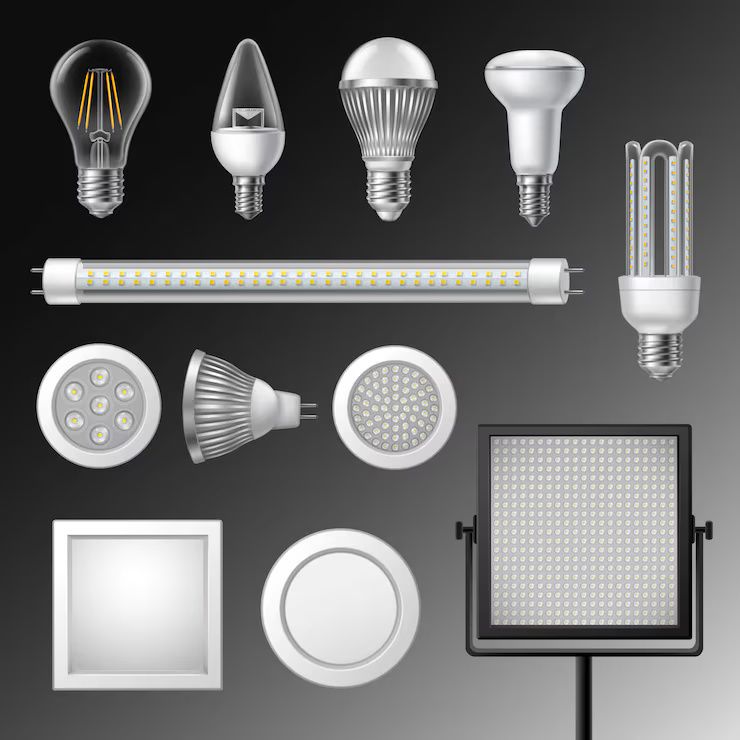
Why LED Lighting Matters Today
The importance of LED lighting lies in its ability to solve multiple global challenges in energy, sustainability, and cost-effectiveness.
-
Energy Efficiency: LEDs consume up to 80% less energy than incandescent bulbs, making them a cornerstone of energy conservation.
-
Durability and Longevity: LED bulbs last significantly longer, often up to 25,000–50,000 hours, reducing replacement frequency.
-
Environmental Benefits: They emit less heat, contain no toxic mercury, and reduce greenhouse gas emissions when adopted at scale.
-
Versatility in Application: LEDs are adaptable for indoor, outdoor, automotive, medical, and industrial uses.
-
Support for Smart Systems: LEDs integrate easily with smart controls, sensors, and Internet of Things (IoT) devices.
For households, LED lighting reduces electricity bills and maintenance needs. For industries, it improves efficiency, lowers environmental impact, and supports global energy transition goals.
Recent Updates and Trends in LED Lighting
The LED lighting industry continues to evolve with advancements seen in 2023–2024:
-
Smart LED Systems (2023): Growth of connected LED bulbs controlled via smartphones, voice assistants, or centralized automation systems.
-
Human-Centric Lighting (2023): LEDs designed to mimic natural daylight cycles, improving sleep quality, mood, and productivity.
-
Sustainability Shift: Expansion of recyclable LED materials and eco-friendly manufacturing.
-
Mini and Micro-LED Technology (2024): Used in televisions, displays, and next-generation lighting for improved brightness and clarity.
-
Solar-Powered LED Integration: Increasing adoption in outdoor, street, and rural applications.
-
Architectural Design Trends: LEDs used for mood lighting, façade illumination, and interior ambiance in modern design.
Reports also suggest that by 2030, LEDs may account for over 90% of global lighting sales, reflecting their dominance in the sector.
Laws and Policies Influencing LED Lighting
Governments worldwide encourage LED adoption through energy regulations and environmental policies:
-
Energy Efficiency Standards: Countries set minimum energy performance requirements for lighting products.
-
Bans on Inefficient Bulbs: Many regions, including the EU and the US, have phased out incandescent and certain halogen bulbs.
-
Eco-Labeling Programs: Certifications such as Energy Star or BEE Star Ratings help consumers identify efficient LED products.
-
Subsidy and Incentive Programs: Some nations provide incentives for switching to LED lighting in homes, industries, and public infrastructure.
-
Circular Economy Regulations: Policies push manufacturers toward recyclable LED components to reduce electronic waste.
These laws highlight the role of LED lighting not just as a consumer product but as part of global sustainability goals.
Helpful Tools and Resources for LED Lighting
Anyone exploring LED lighting can benefit from digital tools, guides, and resources:
-
Energy Consumption Calculators: Online tools compare LED savings against incandescent and CFL bulbs.
-
Government Efficiency Portals: Websites like U.S. Energy.gov or India’s Bureau of Energy Efficiency (BEE) provide guidance on certified products.
-
Lighting Design Software: Tools such as Dialux or Relux help architects and engineers plan efficient lighting layouts.
-
Smart Lighting Apps: Apps like Philips Hue, LIFX, or Wiz allow control of smart LEDs via mobile devices.
-
Research Reports: Industry updates from the International Energy Agency (IEA) or LED professional publications.
-
Sustainability Certifications: Labels such as Energy Star, CE, or RoHS compliance provide confidence in safety and performance.
These resources help users, architects, and researchers make informed decisions about LED applications.
Frequently Asked Questions About LED Lighting
What makes LEDs more efficient than other lighting options?
LEDs convert a higher percentage of energy into light rather than heat, making them far more efficient than incandescent or fluorescent bulbs.
How long do LED lights typically last?
Most LEDs last between 25,000 and 50,000 hours, depending on usage and quality, which is several times longer than traditional bulbs.
Are LED lights harmful to eyes?
High-quality LEDs designed with proper diffusers and warm tones are safe for daily use. Blue-light-heavy LEDs should be used cautiously, particularly at night.
Can LEDs be recycled?
Yes, many LED components, such as aluminum heat sinks and certain plastics, are recyclable, though specialized facilities are often required.
Do LEDs work well in outdoor or cold environments?
Yes, LEDs perform efficiently in cold conditions and are commonly used in outdoor lighting, signage, and refrigerated spaces.
Final Insights
LED lighting represents a fundamental shift in how the world approaches energy use, sustainability, and innovation. Beyond simply illuminating spaces, LEDs are shaping architecture, environmental policies, and even human well-being through adaptive lighting designs.
As technology advances, LED systems will continue to merge with smart devices, renewable energy, and digital control systems, making them central to energy-efficient living and future-ready infrastructure.
For anyone seeking to understand lighting in the modern age, exploring LED technology reveals not only its functional role but also its broader impact on society, the environment, and the global energy transition.