Exploring Textile Machines: Facts, Details, and Key Information to Understand Better
Textile machines play a central role in the production of fabrics and yarns used in clothing, household materials, and industrial textiles. These machines automate processes that once relied entirely on manual labor, making textile production more consistent and efficient. Understanding textile machines helps explain how raw fibers are transformed into finished fabrics used around the world.
The textile industry has existed for centuries, but the introduction of mechanical equipment during the Industrial Revolution dramatically changed how textiles were produced. Over time, new technologies improved speed, accuracy, and material handling. Today, textile machines are used in factories that process natural fibers such as cotton and wool as well as synthetic materials like polyester and nylon.
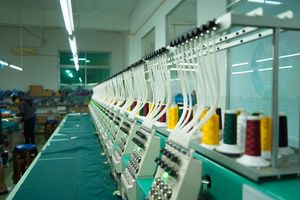
Modern textile machines are designed to perform specialized tasks within different stages of fabric production. These stages include fiber preparation, spinning, weaving, knitting, dyeing, and finishing. Each stage relies on machines built for specific operations.
Because textiles are part of everyday life—from clothing to upholstery—textile machinery remains an important part of global manufacturing systems. Learning about these machines provides insight into how fabrics are produced and how technological development influences the textile sector.
Importance
Textile machines are significant because they support large-scale production of fabrics used by industries and households. Without automated machinery, textile manufacturing would require extensive manual effort and produce much smaller quantities of material.
These machines affect several areas of modern life, including clothing production, home furnishings, and technical textiles used in infrastructure and medical environments. Their role extends beyond fabric creation to shaping how textile industries operate globally.
Several key reasons explain why textile machines matter today:
- Efficiency in manufacturing: Machines perform repetitive tasks quickly and with consistent precision, allowing large volumes of textile material to be produced.
- Material processing capability: Modern machines handle various fiber types, including natural, synthetic, and blended materials.
- Product diversity: Textile machinery enables the production of different fabric structures such as woven, knitted, and nonwoven textiles.
- Industrial development: Textile manufacturing remains an important sector in many economies, supporting related industries such as fashion, transportation textiles, and technical materials.
The increasing demand for fabrics used in clothing, furniture, and industrial applications continues to shape the development of textile machinery. As manufacturing methods evolve, these machines adapt to new materials and production techniques.
Types of Textile Machines and Their Functions
Textile production involves several stages, and different machines perform specific tasks during each step. Understanding the roles of these machines helps clarify how raw fibers eventually become finished fabrics.
Fiber Preparation Machines
Fiber preparation machines handle raw materials before spinning begins. Their purpose is to clean, separate, and align fibers so they can be processed into yarn.
Common preparation equipment includes:
- Blow room machines: These machines open compressed fiber bales and remove dust and impurities.
- Carding machines: Carding aligns fibers and forms a thin web that is later converted into slivers.
- Combing machines: Combing removes shorter fibers and improves fiber alignment, producing smoother yarns.
These machines help ensure that fibers are evenly arranged before moving to the next stage of textile production.
Spinning Machines
Spinning machines transform prepared fibers into yarn. The spinning process twists fibers together to create continuous strands used for weaving or knitting.
Examples include:
- Ring spinning machines: One of the most widely used spinning methods, producing strong and uniform yarn.
- Open-end spinning machines: Designed for high-speed yarn production.
- Air-jet spinning machines: These machines use airflow to twist fibers into yarn.
Each spinning method produces yarn with slightly different characteristics depending on the fiber type and intended fabric structure.
Fabric Formation Machines
After yarn is produced, fabric formation machines create textile structures. Two main categories of fabric formation exist: weaving and knitting.
- Weaving machines (looms): Interlace two sets of yarns—warp and weft—to produce woven fabric.
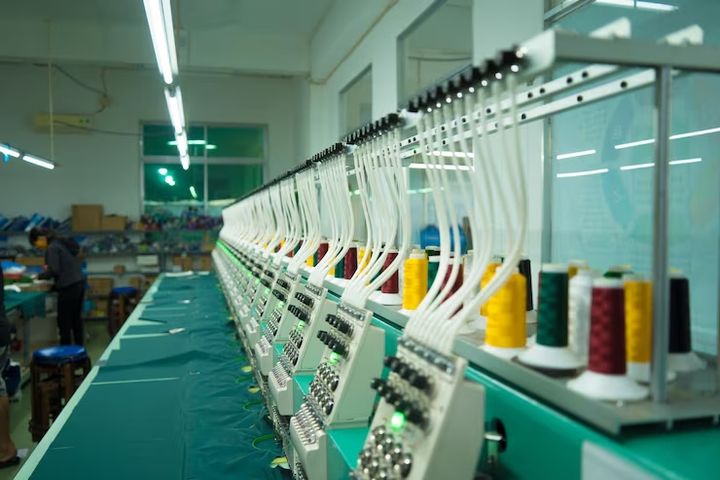
- Knitting machines: Create fabric by forming loops of yarn.
- Nonwoven machines: Bond fibers together without traditional yarn formation.
Different machines produce fabrics with unique textures, flexibility, and durability.
Dyeing and Finishing Machines
Once fabrics are formed, dyeing and finishing machines modify appearance and performance.
These machines perform tasks such as:
- Color application: Dyeing machines apply color evenly across fabric surfaces.
- Heat treatment: Stabilizes fabric structure and reduces shrinkage.
- Surface finishing: Improves texture, durability, or moisture behavior.
Finishing processes influence the final characteristics of textile products.
Textile Machine Production Stages
The following table outlines common stages of textile manufacturing and the machines typically involved in each phase.
| Production Stage | Typical Machines Used | Main Purpose |
|---|---|---|
| Fiber preparation | Blow room equipment, carding machines | Clean and align raw fibers |
| Fiber refinement | Combing machines, drawing frames | Improve fiber uniformity |
| Yarn formation | Ring spinning machines, open-end spinning machines | Convert fibers into yarn |
| Fabric creation | Looms, knitting machines | Form woven or knitted textiles |
| Coloring process | Dyeing machines | Apply color to fabrics |
| Finishing stage | Heat treatment machines, calendaring machines | Improve fabric appearance and stability |
This structured process allows textile manufacturers to manage large-scale production while maintaining consistent material quality.
Recent Updates
Between 2024 and 2026, the textile machinery sector has experienced gradual technological development focused on automation, energy efficiency, and digital monitoring. Many modern machines now include sensors and computer-based control systems that monitor production parameters during operation.
Automation systems allow machines to adjust settings automatically when detecting variations in fiber quality or yarn tension. This improves consistency in textile production and reduces material waste.
Another noticeable trend involves digital integration. Some machines are connected to factory management software that tracks machine performance, production output, and maintenance requirements. These systems help textile manufacturers analyze operational data and identify potential inefficiencies.
Energy efficiency has also become a focus in textile machinery design. Manufacturers continue developing equipment that operates with reduced power consumption and improved resource management. This trend reflects broader industrial efforts to reduce environmental impact.
Additionally, machines capable of processing recycled fibers and alternative materials have become more common. As sustainability discussions grow within the textile industry, machinery designed for diverse fiber sources continues to evolve.
Laws or Policies
Textile manufacturing and machinery use are influenced by regulations related to industrial safety, environmental standards, and manufacturing guidelines. In many countries, these regulations aim to ensure safe working environments and responsible resource usage.
In India, several regulatory frameworks influence textile production and machinery operation. Government institutions establish guidelines related to factory safety, worker protection, and environmental compliance.
Examples include:
- Factories Act regulations: These rules address workplace safety, ventilation, machine guarding, and worker protection in manufacturing facilities.
- Environmental compliance standards: Textile factories must follow regulations related to water treatment, emissions, and waste management.
- Textile development programs: Government initiatives support modernization and technology adoption within textile manufacturing sectors.
These frameworks encourage safe manufacturing practices while supporting the long-term sustainability of textile industries.
Tools and Resources
Various tools and digital platforms help professionals and researchers understand textile machinery, production techniques, and industry standards. These resources provide information related to machine operation, textile science, and industrial processes.
Commonly used resources include:
- Textile industry databases: Platforms such as the Textile World publication archive provide information about textile machinery developments and industry insights.
- Government information portals: The Ministry of Textiles publishes reports and documentation related to textile industry initiatives and technology updates.
- Educational resources: Universities and research institutes offering textile engineering programs publish technical papers and instructional materials explaining textile machinery processes.
- Machine simulation tools: Some engineering platforms allow students and researchers to model textile machine operations and production flow.
These tools help readers explore textile manufacturing systems in greater detail and understand how machinery functions within industrial environments.
FAQs
What are textile machines used for?
Textile machines are used to transform raw fibers into yarn and fabric. Different machines perform tasks such as fiber cleaning, spinning yarn, weaving fabric, knitting materials, and finishing textile surfaces.
How do textile machines create fabric?
Textile machines create fabric through processes such as weaving or knitting. Weaving machines interlace two sets of yarns to form woven textiles, while knitting machines produce fabrics by forming loops of yarn.
What types of textile machines are commonly used in textile production?
Common textile machines include carding machines, spinning machines, weaving machines, knitting machines, dyeing machines, and finishing equipment. Each type performs a specific step within the textile manufacturing process.
Are modern textile machines automated?
Many modern textile machines include automated systems and digital monitoring features. These technologies help maintain consistent yarn tension, track machine performance, and manage production data.
Why are textile machines important in the textile industry?
Textile machines enable large-scale fabric production while maintaining consistent material quality. They support industries that rely on textiles, including clothing, home furnishings, transportation materials, and industrial fabrics.
Conclusion
Textile machines form the backbone of modern fabric production by transforming raw fibers into yarn and finished textiles. Each stage of textile manufacturing relies on specialized machines designed for preparation, spinning, fabric formation, dyeing, and finishing.
Technological developments in automation, digital monitoring, and energy efficiency continue to influence how textile machinery operates. Regulations related to workplace safety and environmental standards also shape how these machines are used within manufacturing facilities.
Understanding textile machines helps explain the complex processes involved in textile production and highlights the role of technology in shaping modern manufacturing systems.